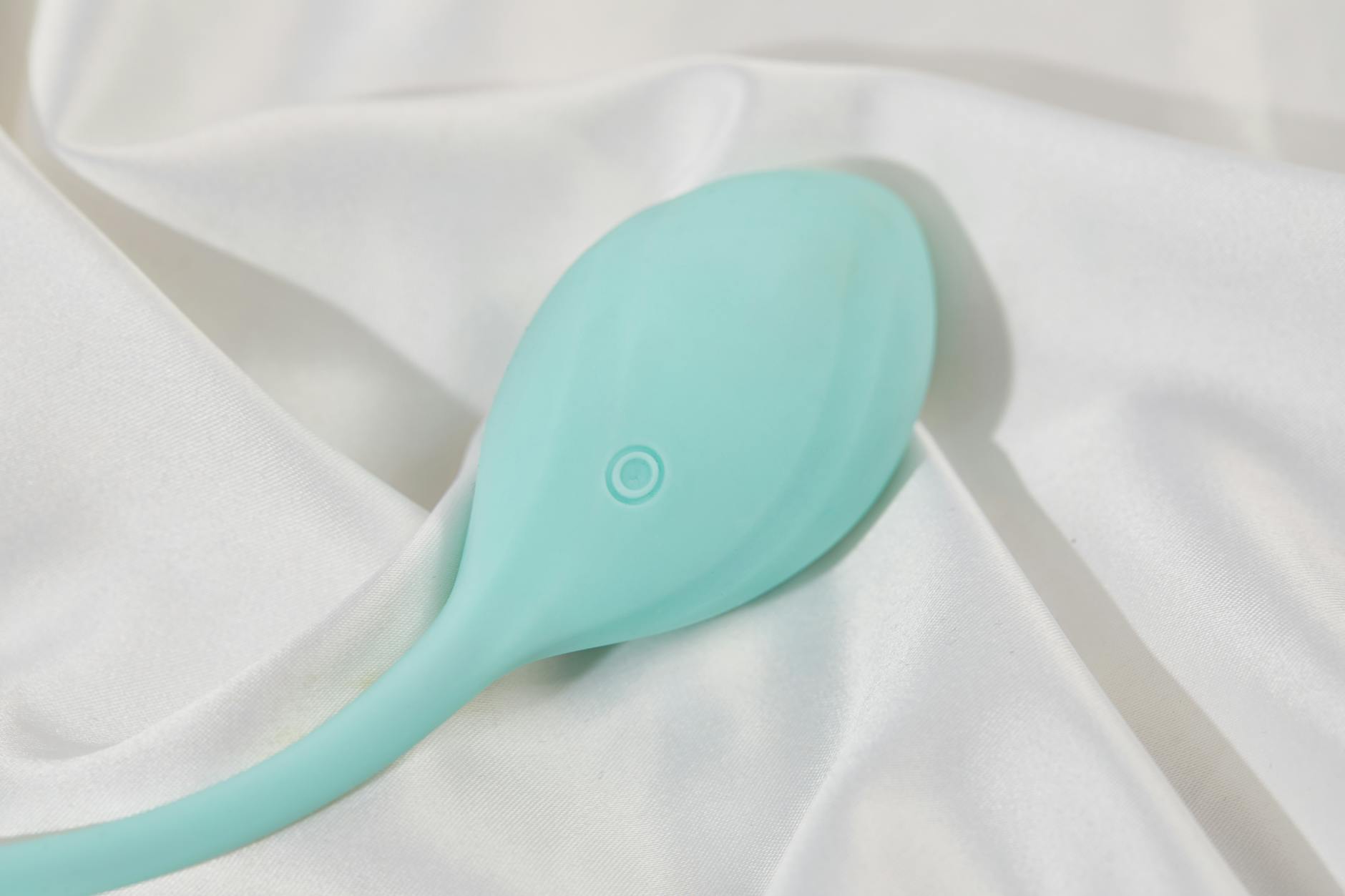
Do Lemon Vibrators Work Better After Menopause? What Research Shows
Let's be real. Menopause changes tissue. That's not opinion, that's biology. And when tissue changes, the way vibrators feel changes too. But here's the thing nobody tells you: that doesn't mean pleasure gets worse. It means you might need a different tool. And lemon sexual toys, especially suction-based designs, often turn out to be exactly what works.
I've worked with hundreds of clients navigating this transition, and the question I hear most is whether their old toys still work, or whether they need something new entirely. The answer is more nuanced than a yes or no.
What actually happens to tissue in menopause
Estrogen isn't just about reproduction. It maintains the thickness, elasticity, and blood flow to your vulva and clitoris. When estrogen drops, all three of those things change. The tissue gets thinner. It's less stretchy. Blood flow is slower to build. This is called genitourinary syndrome of menopause, or GSM, and it affects about half of post-menopausal people.
But here's what doesn't change: the neural density of the clitoris itself. Your nerves are still there. Your capacity for sensation and orgasm is completely intact.
The friction-based vibrators that worked beautifully in your 30s sometimes feel too intense now, not because you're less sensitive, but because thinner tissue is more easily irritated by direct mechanical pressure. That's the real shift.
Why suction-based design shifts the game
Lemon clitoral vibrators use air-pulse or suction technology instead of traditional vibration. Instead of friction, you get gentle rhythmic suction that stimulates the clitoris without the same mechanical pressure against delicate tissue.
Think of it this way: vibration is like a jackhammer. Suction is like a pulse. Both create stimulation. One is gentler on tissue that's already thinner.
Research on suction-based devices shows they trigger orgasm through a different neural pathway than traditional vibrators. They activate nerve endings that respond to pressure and rhythm, not just friction. For post-menopausal bodies, this matters wildly. You get intense sensation without irritation.
A lem vibrator design also lets you control intensity by adjusting suction strength. You're not locked into a vibration pattern that's too much. You can start at pattern one, which some devices make barely perceptible, and build from there. That control is valuable when your body is relearning what feels good.
The direct comparison: traditional vibrators vs. suction design
Traditional clitoral vibrators work via oscillation. They're brilliant at high-frequency stimulation. They work great when tissue is thick and elastic and responsive to friction. Many people use them their whole lives without issue.
But post-menopause, three problems often emerge. First, direct vibration can feel too intense or even uncomfortable on thinner tissue. Second, the continuous pressure of a vibrator head against the clitoris can create micro-abrasions that compound the GSM irritation already happening. Third, traditional vibrators don't adapt well to the slower arousal process that often comes with menopause.
Lemon adult toys using suction bypass all three problems. The suction creates a seal that protects tissue while stimulating, the rhythm is gentler, and you can dial intensity up or down as arousal builds. It's not that traditional vibrators stop working. It's that a different tool often works better.
Lubrication becomes non-negotiable
Here's something that catches people off guard: you might never have needed lubricant before menopause. Your body made plenty on its own. Now, lube is not optional. It's part of using any vibrator successfully.
This matters especially with suction-based designs because the seal they create works better with at least a thin layer of moisture. Water-based lube is your friend here. Not because anything is wrong with you, but because thinner tissue dries faster and deserves protection.
I recommend applying lube directly to the device and to your body, then letting your natural arousal build on top of that. Don't assume you need tons. A small amount goes a long way when tissue is sensitive.
How to transition to a new tool if needed
If you've been using traditional vibrators and want to try a lemon clitoral vibrator or suction-based device, don't ditch your old favorites immediately. Instead, think of it as expansion, not replacement.
Start with the lowest intensity setting. This matters more than you'd think. Many people skip the low settings because they're used to the strength of traditional vibrators, then assume the new device isn't working when really they just haven't given their body time to wake up to a gentler sensation. Spend a few sessions with patterns one and two. You might be shocked by how much sensation you actually feel.
Second, give yourself permission for arousal to take longer. Post-menopausal arousal often builds slower. That's not a problem. It's actually an invitation to pay more attention to the buildup. Use longer warm-up time, add a partner's touch if that's relevant, or simply enjoy a longer solo session without rushing.
Third, be honest about irritation. If a device causes discomfort during or after use, that's useful data. It might mean the intensity is too high, or the device isn't the right fit for your body, or you need more lubrication. None of those are failures.
The pleasure part nobody mentions
Here's what surprised me most when working with post-menopausal clients: many report their most intense orgasms came after they adapted to this transition. Not despite the change. Because of it.
Why? A few reasons. First, menopause often coincides with reduced relationship pressure. You're not performing. You're exploring. That shifts everything. Second, you've had decades to learn your own body, and now you're paying attention to it differently. Third, a tool like a lemon sucker that requires you to slow down and dial in sensation can actually deepen your capacity for pleasure, not reduce it.
This isn't magical thinking. This is what happens when you stop fighting the changes and start working with them.
When to see a healthcare provider
If you're experiencing pain during sex or with any device, that's worth mentioning to your doctor. GSM is treatable. Topical estrogen cream, applied directly to the vulva and vagina, works in weeks. It has minimal systemic absorption, which means it's localized. Other options include vaginal moisturizers for daily use, or discussing hormone therapy depending on your health history.
You don't have to live with pain. But you also don't have to assume pain means the end of pleasure. It usually just means a quick conversation with a healthcare provider.
The real answer
Do lemon vibrators work better after menopause? Not universally. But for many people navigating tissue changes, a suction-based lemon clitoral vibrator or similar air-pulse device works better than what worked before. The key is understanding why. It's not that your body broke. It's that your body changed, and you deserve a tool designed for how you actually are right now, not how you were.
The transition from one type of device to another is just information. It means you're listening to your body. That's the whole point.
FAQ
Can you use a lemon vibrator immediately after menopause starts?
Yes. You don't have to wait until menopause is "complete" (which takes years, by the way). As soon as you notice tissue changes, you can experiment. Some people find suction-based devices helpful during perimenopause, others not until a few years after their last period. Your timeline is yours.
Do lemon adult toys require more maintenance after menopause?
Not really. Any quality silicone vibrator needs the same care: wash with toy cleaner or mild soap after use, dry fully, store away from direct heat. If anything, you might use lube more often, which just means rinsing the device more thoroughly. No extra labor.
Is it normal to need lube every time after menopause?
Yes. Very normal. Estrogen depletion means less natural lubrication, whether you use a toy or not. Lube is a tool, not a sign of dysfunction. It's as routine as brushing your teeth.
Can you use traditional vibrators after menopause, or do you have to switch?
You can use whatever works for your body. Some people keep using traditional vibrators forever. Others find them too intense. Some use both. There's no rule. If it feels good and causes no pain, it's fine.
Why do clitoral vibrators feel different after menopause if the clitoris has the same nerves?
The clitoris does have the same nerves, but the tissue surrounding it has changed. Nerves respond to stimulation through the tissue. When tissue is thinner, the same vibration pattern reaches those nerves differently. Suction-based designs work around this by using a gentler stimulus that works better with the new tissue state.
Should you tell your partner about switching to a lemon sucker or clitoral vibrator?
If you have a partner, yes. Not as a confession. As information. "My body has changed, and I found a tool that works better for me now." That's an invitation to curiosity, not a judgment on them. Many partners find it actually improves things because you're more connected to your own pleasure, which makes partnered sex better, not worse.
What comes next
Menopause doesn't end your sexual life. It edits it. And the edit, if you're willing to pay attention and adapt, often makes the plot richer. You have the tools. You have the knowledge. What you need now is permission to experiment without shame. You've got it.