Let's talk about when pleasure becomes too much
Here's the thing nobody tells you straight: your clitoris can absolutely get overstimulated, and it's not a sign that something's wrong with you. It's actually a sign that you're paying attention to what your body needs. Most people suffer through discomfort in silence, convinced they should just "toughen up" and enjoy what they've got. Wrong direction entirely.
Overstimulation feels like a hard, almost sharp sensitivity. The sensation that felt incredible thirty seconds ago suddenly becomes too much, like your nerve endings are firing past their threshold. Your instinct is to pull away. Your body might even tense up automatically. This happens to way more people than you'd think, and the solution isn't to just accept numbness or disappointment.
Why intensity becomes uncomfortable
Your clitoris contains about eight thousand nerve endings packed into an area the size of a pea. That's density. When stimulation is relentless and direct, those nerves can become overwhelmed. Think of it like someone turning up the volume on a speaker until it distorts. The sound is technically still there, but it's not enjoyable anymore.
Several things trigger overstimulation. Direct vibration (especially the high frequencies on many traditional vibrators) overstimulates faster than you'd expect. Friction-based stimulation does this too. Dehydration and caffeine intake make nerves more reactive. Some medications, particularly certain antidepressants, alter sensitivity thresholds. Stress and pelvic floor tension amplify the effect. And honestly, if you've been using the same intense toy for years, your sensitivity pattern shifts. The thing that felt perfect at thirty might feel jarring at thirty-five or forty-five.
Here's what matters: overstimulation is not the same as numbness. They're actually opposites. Numbness is under-stimulation. Overstimulation is too much sensation, too fast, too direct.
How suction works differently
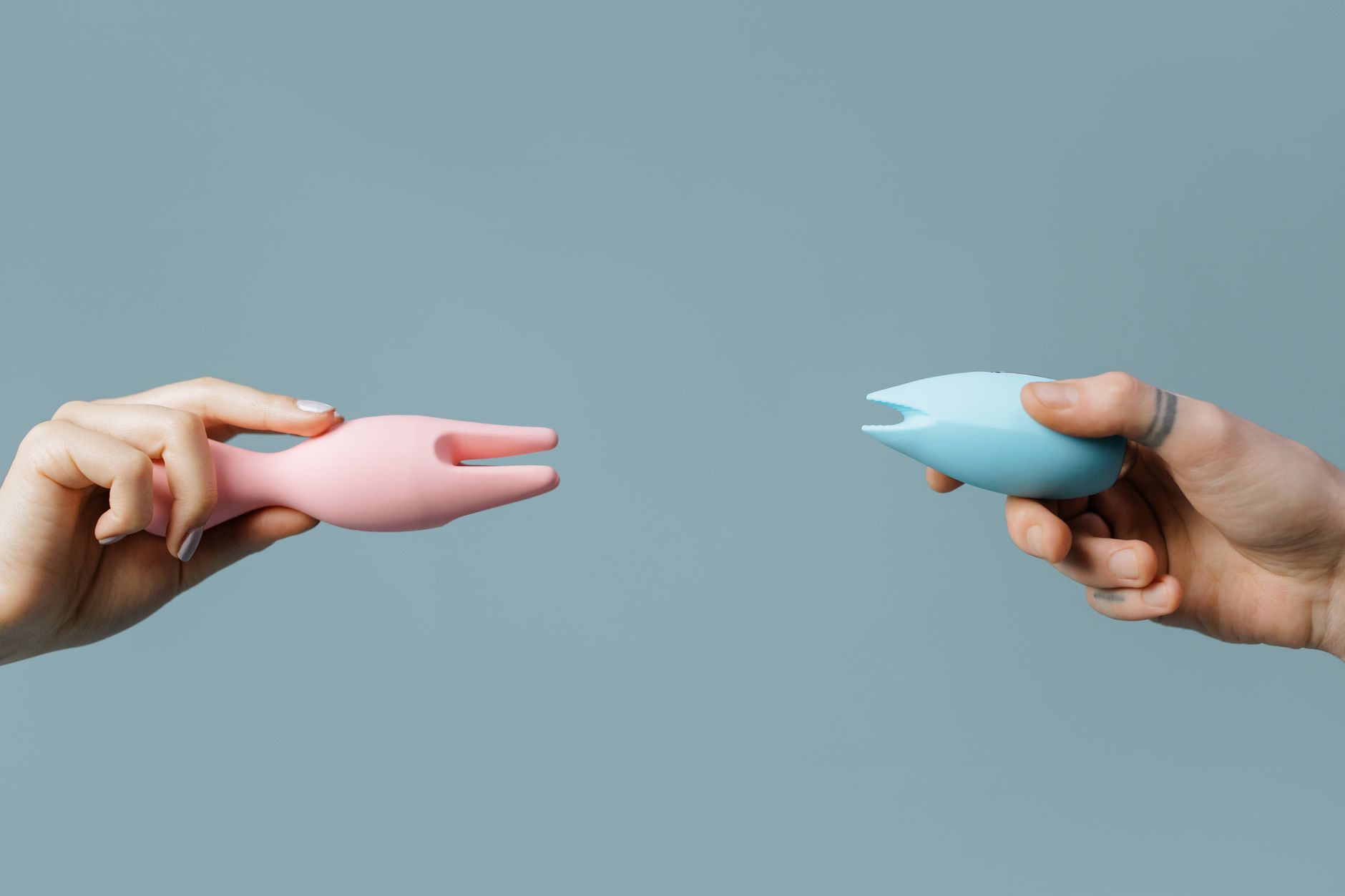
Lemon vibrators use air-suction technology instead of traditional vibration. This is a fundamentally different stimulus. Instead of buzzing directly against tissue, suction creates a gentle rhythmic pulse that stimulates the entire clitoral structure, including the internal parts you can't see. It's less like a jackhammer and more like a consistent, controllable wave.
Why does this help when intensity feels overwhelming? Three reasons.
First, suction distributes pressure across a wider area rather than concentrating it in one point. Your nerve endings still fire, but they're not all firing at maximum capacity simultaneously. It's like the difference between someone pressing hard with one finger versus spreading their palm across your arm. Same energy, different experience.
Second, you control the intensity in real time without losing stimulation. On traditional vibrators, you either accept the buzz level or turn it off entirely. No in-between. With lemon vibrators, you adjust the suction strength while the pattern continues. You stay engaged without pushing past your threshold.
Third, suction feels more like touch and less like a foreign object. Many people with overstimulation sensitivity find that the gentler, more organic sensation of suction allows arousal to build gradually instead of spiking and crashing. Your nervous system doesn't get shocked into overwhelm.
Practical ways to manage overstimulation
Starting with a lemon clitoral vibrator is one strategy, but there are other moves worth knowing.
Begin at the lowest suction setting, always. I mean this. Even if you think you'll be bored. Your nervous system will tell you if you need more. And it's way easier to add intensity than to dial back the overwhelm you're already in. Give yourself ten to fifteen minutes at a low level before you even think about increasing.
Use longer warm-up time. When your body is actually aroused, blood flow to your clitoris increases and tissues become more resilient. A clitoris that's properly engorged handles intensity better than one that's half-interested. Budget twenty to thirty minutes, and spend the first half on foreplay, kissing, or mental focus. Not rushing this step changes everything.
Add lubricant even if you don't think you need it. Water-based lube reduces friction and makes the sensation feel less sharp. It's not about slipperiness. It's about smoothing the interface so everything feels gentler.
Avoid back-to-back sessions. If you've had an intense experience, your clitoris needs recovery time. Twenty-four to forty-eight hours between uses lets sensation sensitivity reset. This is especially true if you're coming off a period of frequent use or very high intensity.
Pay attention to your cycle if you menstruate. Your clitoral sensitivity shifts throughout the month. Right before your period, sensitivity is often higher, which can tip toward overstimulation more easily. In other phases, the same toy feels perfect. Tracking this (even casually) helps you predict and avoid the overwhelm.
The nervous system piece matters more than you think
Here's something I see constantly in my coaching practice: overstimulation anxiety is real. You have one bad experience with intensity, and now you're braced for it. Your pelvic floor tightens preemptively. You can't relax into sensation because you're waiting for the discomfort. This makes overstimulation even more likely.
Breaking that pattern requires a couple of things. First, permission to stop. Like, full permission. You're not failing if you pause or change pace. You're listening to your body. That's the opposite of failure.
Second, novelty helps reset your nervous system. If traditional vibrators feel overwhelming, a lemon sucker vibrator feels genuinely different. Your body isn't braced for it in the same way because it's not the stimulus you've been protecting yourself against. Many people find that switching tools actually helps them relax because there's no anticipatory tension.
Third, breathwork while using any toy shifts everything. Holding your breath tightens your pelvic floor and amplifies sensation. Slow, deep breathing (in for four, out for six) relaxes those muscles and distributes arousal more evenly through your body instead of concentrating it in one spot.
When to seek outside help
If overstimulation is paired with pain, numbness in other parts of your body, or happens suddenly after years of comfort, see a pelvic floor physical therapist. Pelvic floor dysfunction and nerve issues need professional assessment. A few sessions can change your whole experience.
If anxiety around overstimulation is preventing you from exploring pleasure at all, that's worth talking through with a sex-positive therapist or coach. You deserve to feel safe and curious in your own body.
Otherwise, this is experimentation territory. You're learning what your nervous system actually needs, and lemon vibrators are a genuinely useful tool for that exploration. Your pleasure should feel good, not like a test you're trying to pass.
FAQ: Overstimulation and sensitivity
Is overstimulation the same as having a too-sensitive clitoris?
No. Overstimulation is when a specific stimulus is too intense. A sensitive clitoris might overstimulate more easily, but the issue is the trigger, not your body's capacity. Many people with very sensitive clitorises have amazing pleasure experiences once they find the right tool and approach. A lemon vibrator is often that tool.
Can you permanently damage your clitoris from overstimulation?
No. Your clitoris is tougher than you think. Overstimulation causes temporary discomfort, not permanent damage. The nerve endings will calm down within hours. That said, repeated overstimulation in the same session can leave you sore for a day or two, which is your body's way of asking for a break.
Why do lemon vibrators work better for overstimulation than traditional vibrators?
Lemon clitoral vibrators use suction instead of direct vibration, which distributes sensation across a wider area and feels more like touch than a mechanical buzz. This allows people with sensitivity issues to experience pleasure without that overwhelming, concentrated intensity. You also have more control over the exact pressure at any moment.
Will my sensitivity change if I use a lemon vibrator regularly?
Yes, but in a good direction. Your nervous system adapts to different types of stimulation. If you've been using intense, direct vibration for years, switching to suction-based stimulation can actually recalibrate your baseline. Many people find they need less intensity overall after a few months of using air-suction toys.
Can overstimulation happen with a partner's touch?
Absolutely. If your partner is stimulating you and it starts to feel too intense, that's overstimulation. The difference is you can communicate and adjust in real time. Ask them to reduce pressure, slow down, or shift to a different pattern. Most partners appreciate the clarity.
Is it normal for your clitoris to feel too sensitive after arousal has built for a while?
Completely normal. This is actually a sign your arousal is genuinely high. Your tissues are engorged and your nerve endings are firing. Sometimes the sweet spot is brief. If you lose it before orgasm, the solution is usually gentler touch, not more intense stimulation. Let intensity come back down, breathe, and sometimes the second wave of arousal feels even better.
You're not broken, you're just listening
Overstimulation gets branded as a problem, but it's actually feedback. Your body is telling you exactly what it needs. People who notice overstimulation and adjust are usually the ones who end up having better orgasms long-term because they're not fighting their own nervous system.
Lemon vibrators exist partly because of this. They're designed for people who found that standard vibration was too intense or who wanted a completely different kind of pleasure experience. If that's you, you're not alone. You're actually in pretty good company.
Ready to explore different sensation? Start slow, pay attention, and trust what feels good. And if you want to talk through what you're experiencing, we're here to help. Get in touch at /contact.