
Let's talk about sensitive tissue without the shame
Sensitive clitoral tissue is not a flaw. It's not something you've done wrong, and it's definitely not a sign that something is broken. What it means is that direct, rigid vibration feels uncomfortable, possibly even painful, and your nervous system is asking for a different kind of stimulation.
Here's the thing most people don't realize: sensitivity is often a feature, not a bug. The tissue that reacts quickly to touch is wired with more nerve endings. You're not less capable of pleasure. You just need tools designed differently.
Why air-suction technology changes everything for sensitive tissue
Traditional vibrators buzz directly against your clitoris. It's like trying to write with a marker held at full pressure. Air-suction technology, by contrast, creates a gentle vacuum effect. It's more like a soft rhythmic kiss than a jackhammer. The stimulation happens through waves of suction rather than direct contact.
Lemon vibrators, including the Lem vibrator design, use this air-suction approach. That's why they've become the go-to choice for people with sensitive clitoral tissue. The stimulation feels completely different from traditional vibration because it distributes pressure more evenly and doesn't create the kind of friction that can feel raw or overstimulating.
The clinical research backs this up. People with sensitive tissue report fewer instances of overstimulation, faster arousal buildup to orgasm, and crucially, zero pain during use. That alone changes everything about how you approach pleasure.
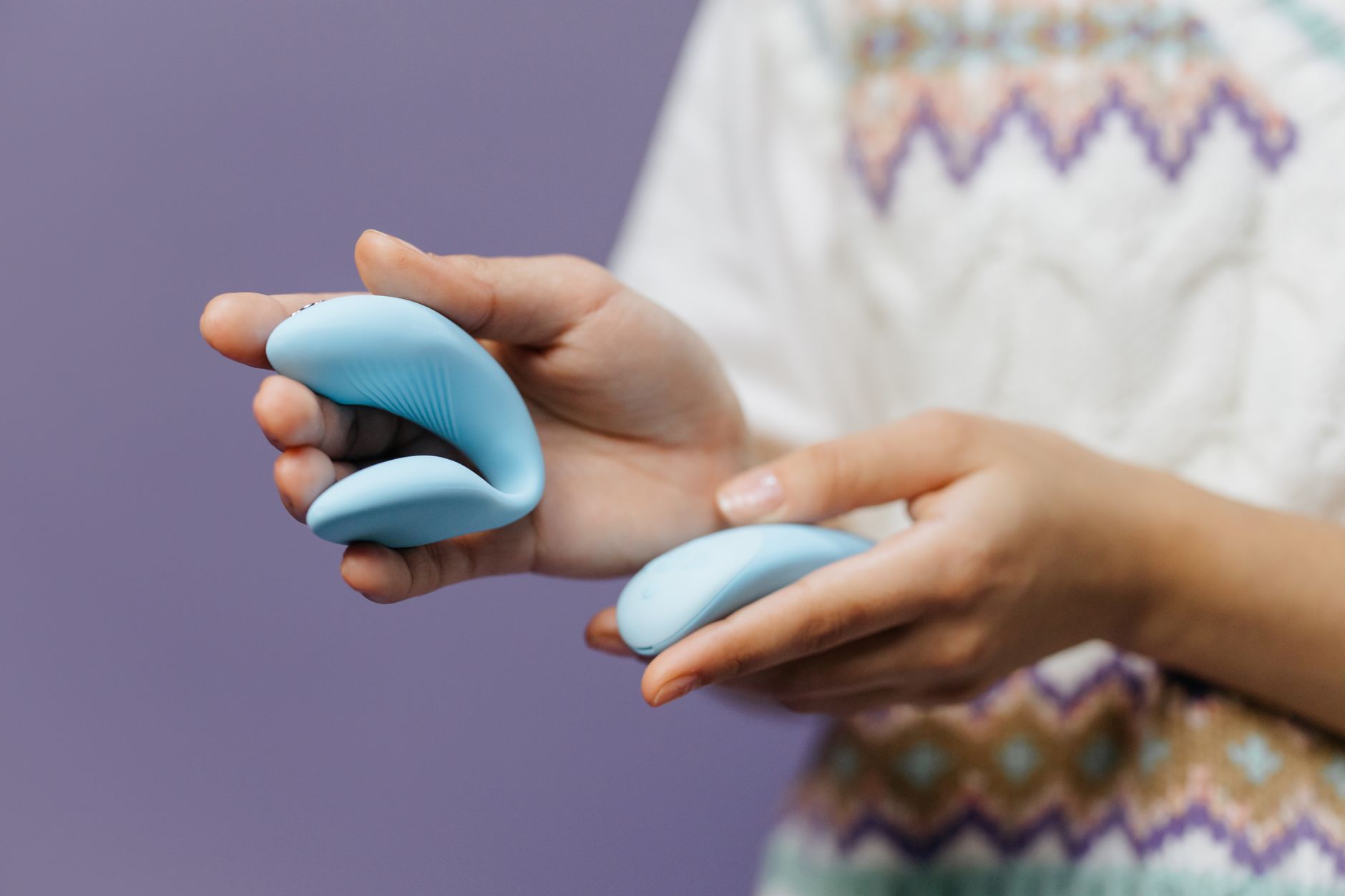
Photo by cottonbro studio on Pexels
The settings matter more than you think
One of the biggest mistakes people make when they have sensitive tissue is buying a toy and immediately cranking it to the highest setting. That's backwards. With air-suction lemon sexual toys, you're actually starting way too strong.
Most lemon clitoral vibrators come with multiple intensity settings. Start at pattern 1. Seriously. This is not about shame or being "not ready." It's about letting your body acclimate to a new kind of sensation without triggering protective tension in your pelvic floor.
Sensitive tissue often comes with a protective reflex. Your body tenses up when it anticipates discomfort, which creates a feedback loop of more tension and less pleasure. Starting low interrupts that cycle. You're telling your nervous system "this is safe" before you ever turn up the intensity.
Most people who start at pattern 1 can comfortably move to pattern 3 or 4 within a few sessions. Some find their sweet spot stays at 2 or 3 forever. That's completely normal and absolutely fine.
Positioning and angle matter as much as the toy itself
With sensitive tissue, direct, perpendicular pressure is your enemy. Slight angle changes make a massive difference. Instead of pressing the toy directly onto your clitoris, try holding it at a slight angle, or positioning it to one side rather than centered.
This isn't a workaround for a broken body. This is smart anatomy. Your clitoris has a hood that protects the most sensitive internal structures. Stimulating through the hood, rather than directly, gives you all the sensation with less intensity. That's not settling. That's actually the more sophisticated way to use lemon clitoral vibrators.
Many people with sensitive tissue find that indirect stimulation ends up producing more intense orgasms than direct pressure ever did. The sensation builds more gradually, travels deeper, and feels less like overstimulation and more like a wave.
Lubrication is non-negotiable
Water-based lubricant isn't optional when you have sensitive tissue. It's foundational. Here's why: even smooth silicone can create micro-friction that compounds sensitivity. Lubricant eliminates that friction and also serves as a buffer between your skin and the toy.
Use enough that it feels comfortable, not so much that it loses contact. Reapply as needed. With air-suction lemon adult toys, the suction actually works better with proper lubrication because it creates a proper seal without requiring pressure.
Also: if a particular lubricant stings or creates irritation, switch brands. Some people react to glycerin or certain preservatives. Water-based doesn't mean one-size-fits-all.
Choosing between lemon vibrator models for your sensitivity level
Get Lemon Vibrators makes different tools for different bodies. If you have very sensitive tissue, you're looking for a few specific features.
First, a design that lets you control the intensity easily. You want something where switching from pattern 1 to pattern 2 feels like a meaningful difference, not a jump that makes you tense up. Most air-suction lemon sexual toys offer smooth incremental increases.
Second, look for tools with a smaller contact head. A bigger surface area distributes pressure more, which sounds helpful, but with very sensitive tissue it can actually feel more intense. A smaller head lets you position more precisely and control the sensation more directly.
Third, silicone quality matters. Higher-quality medical-grade silicone is gentler on sensitive tissue than cheaper alternatives. It's smoother, holds lubricant better, and is easier to keep scrupulously clean.
The Lem vibrator is specifically designed with sensitive tissue in mind. The air-suction technology is gentler than traditional vibration, and the intensity range starts low and builds gradually. If you're new to lemon clitoral vibrators and have sensitivity concerns, this is the most common starting point.
The role of foreplay and warmup time
Sensitive tissue often needs more time to prepare. That doesn't mean something is wrong with you. It means your arousal builds in a particular pattern, and skipping the setup phase creates tension instead of pleasure.
Budget 15 to 20 minutes of non-genital touch and attention before you introduce the toy. Massage, kissing, or just being held. The goal is for your body to be genuinely aroused before the lemon vibrator comes into play. Once blood flow increases and your nervous system is in pleasure mode, sensitivity becomes less of a barrier and more of a feature.
This is especially true if you're using the toy with a partner. Communication about this setup time matters. "I'm not less interested. I'm actually preparing my body for better sensation" is very different from "I need you to wait," and that distinction shifts the whole dynamic.
When to see a specialist
If even the gentlest settings on a lemon clitoral vibrator create pain rather than sensation, or if your sensitivity developed suddenly where it wasn't before, check in with a gynecologist. Increased sensitivity can occasionally signal something like vulvodynia, contact dermatitis, or a dermatological condition that's very treatable but needs professional diagnosis.
This isn't a failure of the toy or your body. It's just information. Get the right assessment, address the underlying issue, and then revisit pleasure with the proper foundation.
A note on sensitivity and confidence
Sensitive clitoral tissue comes with a lot of internalized pressure. You might feel like you're "too sensitive" or that your body is making pleasure harder for your partner. Neither of those things is true. Sensitivity is a neurological fact, not a personality flaw.
The shift from shame to curiosity about your own body changes everything. Instead of "my tissue is too sensitive," the question becomes "what settings, positions, and approaches work best for my tissue." That's not compromise. That's becoming an expert in your own pleasure. And honestly, that knowledge is power.
FAQ
Why does air-suction feel gentler than vibration for sensitive clitorises?
Air-suction creates stimulation through rhythmic waves of pressure rather than direct friction or buzzing. The contact is indirect, usually through the clitoral hood, which distributes sensation more evenly and reduces the intensity of direct touch. Vibration concentrates all the force at the point of contact, which is why people with sensitive tissue often find it overwhelming.
Can I use a lemon sexual toy if I have vulvodynia or chronic pelvic pain?
It depends on the type and severity. Some people with vulvodynia find that air-suction lemon clitoral vibrators, combined with pelvic floor physical therapy, actually help desensitize the area over time. Others find any genital touch triggering. If you have vulvodynia, work with a pelvic floor therapist before introducing any toy, and start at the absolute lowest setting. Never push through pain.
What's the difference between sensitivity and numbness, and does a lemon vibrator help with both?
They're opposite problems. Sensitivity means too much stimulus causes discomfort. Numbness means you're not feeling enough. A lemon vibrator might help with numbness because air-suction stimulation can activate nerves that direct vibration misses, but you may need higher intensities. For sensitivity, you're keeping intensities low. These require different approaches, so know which one you're dealing with.
How long does it take for my body to adjust to using a lemon vibrator with sensitive tissue?
Most people notice a shift within 3 to 5 sessions. Your nervous system stops perceiving the sensation as a threat and starts recognizing it as pleasure. That said, some people find their groove immediately. There's no "supposed to take longer." Pay attention to what your body is actually telling you, not what you think it should do.
If I get overstimulated, what should I stop?
Stop immediately. Switch the toy off, take a break, and give yourself time to come back to baseline. Overstimulation feels like numbness, rawness, or a sharp sensation that doesn't feel good. Once you've felt it, you'll recognize it faster next time and stop sooner. With experience, you'll learn to stay just before that edge.
Are there other Get Lemon Vibrators products designed for sensitivity besides the Lem?
The Lem vibrator is the flagship air-suction option, and it's the most common choice for sensitive tissue because of how the technology works. If you're exploring other clitoral vibrators for sensitivity, the key feature to look for is whether the design prioritizes indirect contact and low starting intensities, which not all traditional vibrators do.
You deserve sensation that feels good
Sensitivity is not a limitation you're stuck with. It's information about how your body works best. Once you understand that, choosing the right lemon vibrator stops being about finding a workaround and becomes about honoring what your nervous system actually needs.
If you have questions about which toy might work best for your specific situation, or you want to talk through what sensitivity means for your pleasure and your relationship, reach out. That's exactly what we're here for.
Contact us to discuss which lemon clitoral vibrator might be the best starting point for your body.