Here's the thing about absence and touch
Physical distance doesn't just pause a relationship. It rewires something. When you haven't been intimate with someone in a while, your nervous system forgets the rhythm. Your body gets quiet. The easiest option becomes the most tempting: stay quiet a little longer.
But that silence compounds. What starts as awkwardness becomes a pattern, and patterns become stories you tell yourself about what's possible again.
I work with couples constantly who've weathered this. Military deployments, long-distance transitions, recovery from illness, work that fractured the space you used to share. The common thread isn't the reason for the absence. It's the belief that physical reconnection has to be smooth, confident, and immediately hot. It doesn't.
Why reconnection feels awkward (and that's actually useful data)
When you haven't been intimate for weeks or months, your body is doing exactly what it's supposed to do. Your nervous system downregulates. You become more sensitive to perceived threat. Small things feel loaded. A partner's hand on your shoulder might feel like pressure instead of affection. Direct eye contact might feel too much. That's not a signal to stay apart longer. It's information.
Your body is saying: "I need to build back in slowly."
Most people interpret awkwardness as a sign of wrongness. "If it felt natural, it would feel good. It doesn't feel natural. Therefore, something is broken." This logic keeps couples stuck. Awkwardness during reconnection isn't a diagnosis. It's just a phase.
Here's what research on touch deprivation actually shows: when people rebuild physical connection gradually, their nervous systems recalibrate. The awkwardness doesn't disappear instantly, but it stops being the story. It becomes the context. After two, three, or four reconnection experiences, most people report that touch stops feeling foreign.
The lemon vibrator advantage when restarting
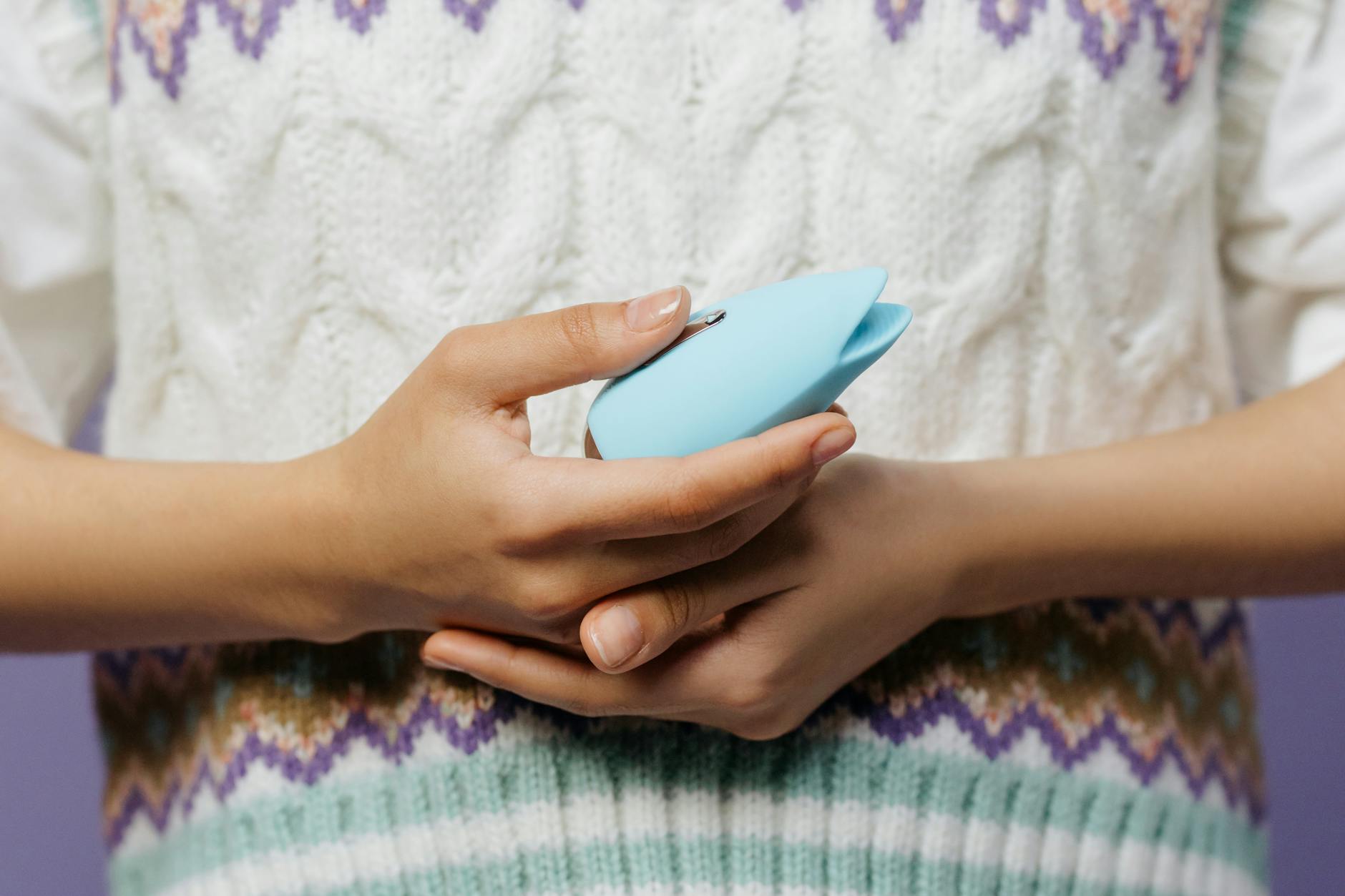
This is where a lemon clitoral vibrator becomes genuinely useful.
When you and a partner are rebuilding physical intimacy after time apart, you're often managing multiple things at once: feeling self-conscious, managing vulnerability, processing sensations that have been dormant, and (if you're partnered) negotiating different paces of desire.
A tool like a lemon vibrator solves one of those problems immediately. It gives you a focal point. Instead of both partners trying to read each other's comfort in real-time, there's an object. There's intention. There's something external to engage with that isn't fraught with interpretation.
Beyond that practical point: lemon vibrators work particularly well for people rebuilding sensation after absence because they use suction rather than direct vibration. Your clitoral tissue, after weeks without stimulation, is more sensitive to intense friction. Air-suction devices create a gentler entry point. They build slowly. They feel less like pressure and more like draw.
A framework for reconnecting with a partner
I recommend a three-phase approach for couples restarting physical intimacy after extended time apart.
Phase 1: Non-sexual touch (Week 1-2)
Your job here is just to remember that you like being touched. No goal, no endgame. A lemon clitoral vibrator sits on the nightstand but doesn't come out yet. Focus instead on small, low-pressure touch. Holding hands while you talk. A hand on the small of your back. Lying close without sex being the implied outcome.
This phase often feels redundant to people who've been together for years. They say, "We don't need to do this." You kind of do. Your nervous system needs reminding that this person's touch is safe and wanted.
Phase 2: Paired exploration (Week 3-4)
Bring the lemon vibrator into view (literally). Talk about it. "I've been thinking about trying this. Would you want to be in the room while I use it?" Or: "I'd like to use this together. Nothing specific planned. Just to feel what it's like to be close while we're both engaged."
Many people assume a vibrator signals something about the partner not being enough. That's usually the partner's fear talking, not reality. Reframe it in your own mind first: "This is about me rebuilding my own responsiveness. It's not a commentary on you or what we do together."
Have the vibrator present. You might use it solo while your partner is nearby. They might watch. They might touch you elsewhere while you use it. The point isn't predetermined. The point is that touch is happening and there's no performance pressure.
Phase 3: Integrated intimacy (Week 5+)
By now, your nervous system has recalibrated. Touch feels less foreign. A lemon vibrator might be part of that or might fade into the background. Honestly, it depends on what you discover about your own pleasure when you have time and space to rebuild it.
Many couples at this phase report that they're having sex differently than they were before the absence. Sometimes better. The absence forced them to be intentional instead of habitual.
What to actually do when you're using it together
Honestly though? Much depends on your specific dynamic, your partner's comfort level, and what feels right to you both.
Here's what usually works:
Start clothed or partially clothed. Urgency isn't the goal. The goal is familiarity. Use the lemon vibrator on the lowest setting (most of them have 3-5 levels). Let your partner be present. They can read to you, talk to you, touch you elsewhere, or just be in the room. No obligation to perform arousal or orgasm.
Many people after extended absence report that orgasm takes longer to arrive or feels different. That's completely normal. Your body's pleasure responses are literally rewiring as you rebuild connection. Don't chase the outcome.
If your partner wants to be more active, they can hold the vibrator while you guide it. This creates a collaborative element that many couples find helps the awkwardness dissolve faster.
When one partner is more eager than the other
Here's a dynamic I see often: one partner is ready to jump back in physically. The other needs more runway. Using a lemon clitoral vibrator solo while your partner is aware but not directly involved can actually be a bridge.
The eager partner might feel less rejected. The slower partner doesn't feel pressured to match an intensity they don't feel yet. Both people are involved in rebuilding intimacy, just at slightly different paces.
The key conversation here is honesty without blame. "I'm still building back up. I need a little longer. I want to do this with you, and I also need it to move at my pace." That's not rejection. That's clarity. And clarity usually dissolves more awkwardness than forced enthusiasm ever does.
The deeper truth about reconnection
When couples work through the awkwardness of rebuilding physical intimacy, they often report something unexpected. They say the intimacy that rebuilds feels different. Sometimes more present. Sometimes more intentional. Sometimes more playful because there's less assumption that it "should" look a certain way.
Physical distance forced you to be absent from habit. That's actually useful. It means when you come back together, you have the option to come back differently.
A lemon vibrator isn't the magic solution. The magic is in the choice to rebuild slowly, to name the awkwardness without letting it become a story, and to move at a pace that actually matches what both partners need.
Frequently asked questions
How long does it typically take for physical intimacy to feel natural again after time apart?
Most couples report that awkwardness starts to ease after 3-4 reconnection experiences. By week 4-5, touch usually stops feeling foreign. That said, every person and every relationship moves at a different pace. Some couples take longer. Some move faster. The timeline matters less than the consistency. Regular, low-pressure touch builds faster than sporadic, high-stakes attempts.
What if my partner doesn't want to be involved when I'm using a lemon vibrator?
That's okay. Many people solo-play while a partner is aware but not present. The key is that you've discussed it. There's no secrecy and no assumption that they should want to watch. If a partner feels uncomfortable, have a separate conversation about what the discomfort is rooted in. Often it's not about the vibrator. It's about feeling left out or worried they're not enough. That's a relationship conversation, not a vibrator conversation.
Can I use a lemon clitoral vibrator if I'm rebuilding intimacy alone?
Absolutely. After extended absence from physical intimacy (whether because of isolation, illness, medication, or other factors), using a lemon vibrator solo is a direct way to rebuild your own responsiveness. You're reacquainting yourself with sensation. You're remembering what feels good. That solo foundation actually makes partnered intimacy easier when you're ready for it.
Is it normal for orgasms to feel different after time away from sex?
Completely normal. Your nervous system's baseline has shifted. Orgasms might take longer to build, might feel less intense, might feel concentrated differently, or might have a totally different quality. Most people report they normalize within a few weeks of regular (partnered or solo) sexual activity. Don't chase what it used to feel like. Notice what it actually feels like. That's often where the discovery happens.
What if physical intimacy still feels awkward after several weeks of trying?
That's a signal to look deeper. Sometimes the awkwardness isn't about time apart. It's about unresolved conflict, a shift in how you feel about your partner, or a personal issue like anxiety or depression that's blocking connection. That's the conversation to have, ideally with a therapist or couples counselor. A lemon vibrator can help you rebuild sensation, but it can't solve relational friction. Those are separate conversations.
How do I introduce the idea of using a lemon vibrator to a partner who's never seen one before?
Direct but casual usually works. "I've been thinking about trying a clitoral vibrator. I know it might seem new, but I think it could help me rebuild sensation after being away from sex for a while. I'd like to try it. Would you want to be around when I do, or would you prefer not to be involved?" Notice you're giving them choices. You're not asking permission. You're offering information and inviting their participation at whatever level feels right to them.
Moving forward
Reconnecting physically after time apart isn't smooth because absence leaves a real gap. Your nervous system has to rewire. Your body has to remember. Your relationship has to rebuild its intimate rhythm.
All of that takes intention and time. A lemon vibrator doesn't skip that process. It just makes it a little less lonely. It gives you a concrete way to rebuild your own pleasure, which usually makes rebuilding together feel less fraught.
Start slow. Name the awkwardness without judgment. Use tools that help. And remember: the fact that it feels weird at first doesn't mean something is wrong. It means you're exactly where you're supposed to be.
If you're struggling with reconnection after extended absence and want personalized strategies, reach out to us. We're here to support you.