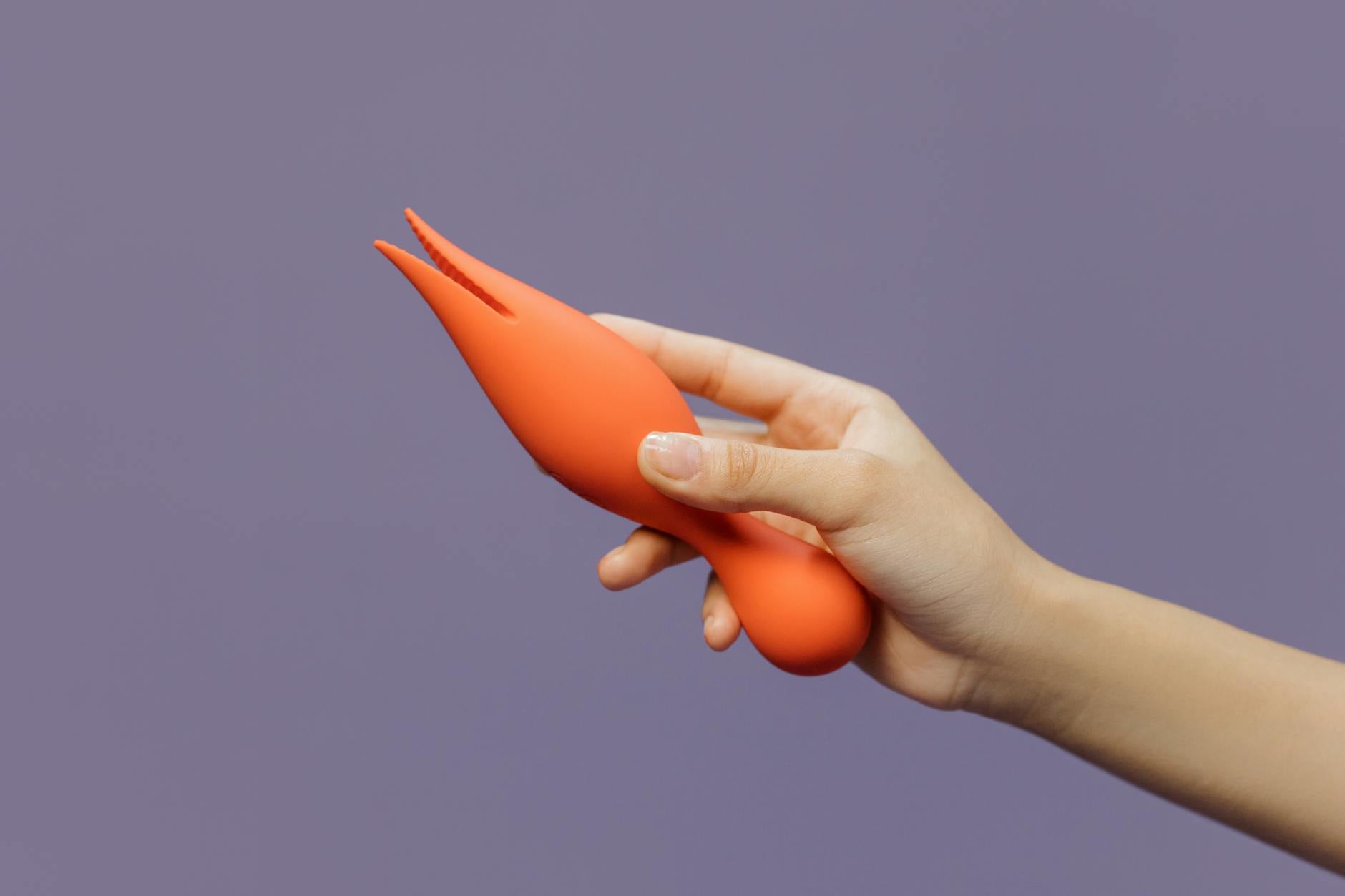
When pain becomes muscle memory
Painful sex does something insidious. It doesn't just hurt in the moment. It rewires your brain's map of pleasure, turning your genitals from a source of joy into a threat that triggers fight-or-flight. Even after the physical cause heals (surgery, infection, injury, whatever the root was), your nervous system stays in protection mode. That's not weakness. That's neurology.
I work with people recovering from painful intercourse regularly. The pattern is always the same: they heal physically, they try to resume sex, and their body says no. Not because it's damaged anymore, but because it remembers the damage.
Lemon clitoral vibrators work differently than penis-in-vagina penetration because they work on a different nervous pathway. That matters for recovery.
Why sensation got trapped in fear
Pain during sex creates something called "pain-associated learning." Your brain literally learns to brace, to tense, to reject touch in that area. The pelvic floor clenches. Your breathing shallows. Arousal stops. Over time, even the thought of sex can trigger that full-body no.
Here's the piece most people miss: pleasure is not the opposite of pain. They use overlapping neural circuits. So you can't just force yourself back into sex and hope arousal magically returns. You need to intentionally rewire the pathways by introducing sensation that feels safe, controlled, and absolutely yours.
That's where lemon vibrators enter.
The neuroscience of clitoral stimulation in recovery
The clitoris has about 8,000 nerve endings and its own distinct nervous system pathway. It's not wired the same way as penetrative sex. When you stimulate it solo, without penetration, without a partner's rhythm or expectations, you're working with a sensory channel that wasn't part of the original pain.
Think of it like this: painful intercourse created a detour sign in your brain's neural highway. Solo clitoral pleasure with a tool like a Lemon vibrator builds a completely new road. Over time, your nervous system realizes that this touch is safe, that it leads to pleasure, not pain.
Lemon sexual toys are especially useful in early recovery because they don't require direct friction. The suction mechanism stimulates nerve endings gently and diffusely, rather than concentrating pressure on one spot. For someone whose body is still learning to trust sensation, that gentleness matters.
Starting again when your body says no
Here's what I recommend to anyone rebuilding pleasure after painful sex:
Week one is exploration, not orgasm. Don't put pressure on yourself to come. Use a lemon clitoral vibrator at the lowest setting, alone, for five to ten minutes. The goal is just to notice sensation without judgment. Does it feel weird? Good. Does it feel uncomfortable? Stop and come back later. Your job is to collect data about what your body will accept right now.
Build duration slowly. If five minutes feels okay, try seven next time. If it doesn't, stay at five. This is not laziness. This is retraining your nervous system to associate touch with safety, not performance.
Use rhythm as an anchor. Lemon vibrators' consistent patterns are actually healing. Unlike manual stimulation, which requires you and a partner to sync up and read each other, a vibrator just keeps going at the same frequency. Your brain can relax into that predictability.
When to bring a partner back in
You'll know when you're ready because you'll notice orgasms coming more easily, and without mental effort. You'll stop bracing. Your breathing will stay natural. That's when you can begin the conversation about including your partner again.
Honestly, one of the most useful things I recommend is having your partner watch you use a lemon vibrator without touching anything themselves. This serves three purposes: (1) they see what actually gets you off, (2) you get to feel pleasure while they're present but not in control, and (3) you're building a new neural memory that includes them but doesn't depend on penetration.
Some couples find that lemon clitoral vibrators become a permanent part of their sex life after recovery. That's not a failure of penetration. That's wisdom about your own body.
Managing the mental load of pleasure
One thing nobody talks about is how much work recovery feels like at first. You're not just getting your body back. You're also fighting the mental narrative that sex was bad, or that you're broken, or that your partner's needs matter more than your safety.
That's why solo use matters so much in the early phase. A lemon vibrator doesn't have expectations. It doesn't need you to be ready before you are. It doesn't ask you to perform confidence you don't feel yet.
After weeks of solo exploration, when you do bring a partner into the picture, it's from a place of "this is what I know about my body now" instead of "I hope this works and doesn't hurt." That shift in framing changes everything.
When progress feels slow
Some people get aroused fully within a few weeks of regular solo play. Others take months. Both are normal. Pain rewiring isn't fast, and it's not linear. You might have a session that feels great, then one that feels weird, then one that's amazing again.
If you're past three months of regular use and orgasm still feels impossible, or if pain returns when you try penetration, talk to a sex therapist or gynecologist trained in painful sex recovery. Sometimes physical issues like vaginismus or vestibulodynia need specialized treatment alongside the nervous system work.
But most of the time, consistency wins. A lemon vibrator used twice a week, with zero pressure to perform, will gradually rebuild your pleasure architecture. Your body is not punishing you. It's trying to protect you. You're just teaching it that protection and pleasure can coexist.
FAQ: Recovering pleasure after painful sex
How long does it take to enjoy sex again after it's been painful?
There's no universal timeline, but neuroplasticity usually shows shifts within four to eight weeks of consistent practice. Some people notice relief within days. Others need several months. What matters is consistency and removing the pressure to reach orgasm. When you stop trying so hard, your nervous system relaxes enough to actually feel pleasure.
Can lemon vibrators help if penetration still hurts?
Absolutely. In fact, clitoral vibrators are often the bridge people use while they're waiting for pain during penetration to resolve. You can have full, satisfying orgasms without penetration. Many people find that solo pleasure returns first, then penetration becomes easier as the nervous system gains confidence.
Should I use a lemon vibrator alone or with my partner during recovery?
Start alone. This gives your nervous system space to learn pleasure without the pressure of a partner's presence or expectations. Once you're comfortable and orgasms are coming more naturally, introduce your partner gradually. Many people find that having a partner present while they use a lemon clitoral vibrator feels safer than jumping straight back into penetration.
What if using a vibrator still feels uncomfortable?
That's common in early recovery. Start with the lowest setting, keep sessions short, and remember that discomfort is different from pain. If it's pain, stop and rest. If it's mild discomfort (weird sensation, strangeness), that often decreases with gentle, repeated exposure. Your body is learning a new thing.
Can lemon sexual toys cause further pain or damage during recovery?
No, not when used correctly. Unlike penetrative sex, which can irritate healing tissue, clitoral vibrators work externally and don't require your body to accommodate another person's rhythm or depth. The gentle suction mechanism of lemon vibrators is particularly safe because it distributes stimulation rather than concentrating pressure.
How do I know if I'm ready to try penetration again?
You're ready when: (1) you can have consistent orgasms with your lemon vibrator, (2) you're not bracing or holding your breath during arousal, (3) you feel a genuine desire for penetration rather than thinking you "should" want it, and (4) you've had several conversations with your partner about pace, comfort, and stopping if needed. Readiness is physical, mental, and emotional.
Recovery from painful sex is not about forcing yourself back into what hurt. It's about rebuilding sensation on your terms, with tools that feel safe, at a pace your nervous system can handle. A lemon vibrator isn't a shortcut. It's a direct path to the pleasure your body deserves.
Want personalized guidance for your situation? Get in touch with our team. We're here to help you rebuild confidence and connection.