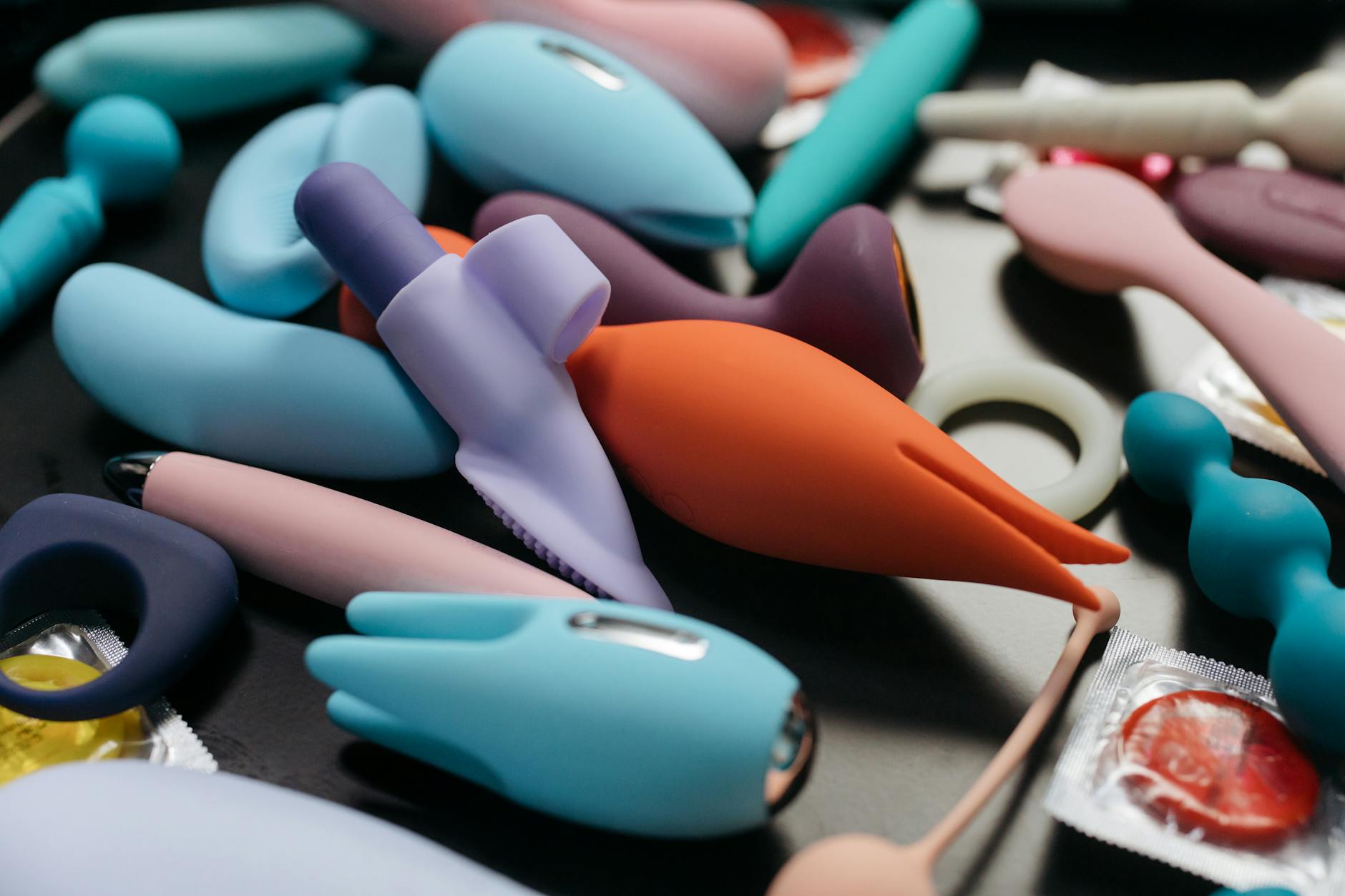
When pleasure becomes background noise
Honestly, this is the conversation I have most often with people in long-term relationships or marriages. Not "we never have sex" but "we have sex and it's fine and I feel... nothing." The arousal that used to arrive unbidden now requires deliberate planning. The touches that once made you shiver now feel like choreography you've both memorized.
Here's what I want you to know first: this isn't broken. This is what happens when the body stops paying attention because the brain already knows exactly what's coming.
Why numbness creeps in (and why it's not about your partner)
Numbness after years of routine happens because your nervous system is efficient. Too efficient, actually. When a pattern repeats the same way for months or years, your body learns to downshift. It doesn't waste energy on arousal signals for something it has already predicted. This is neurology, not lack of love.
The clitoris in particular is vulnerability-detecting hardware. It wakes up when there's novelty, when there's a tiny bit of uncertainty, when something breaks the expected sequence. In a predictable sexual script, the clit has no reason to stay switched on.
Most couples I work with describe it like this: "We still have good sex, but I'm not really there." That split between the body showing up and the nervous system being elsewhere is the hallmark of numbness born from routine.
What lemon vibrators do differently
A lemon clitoral vibrator like the Lem introduces something your body hasn't learned to ignore: air-suction technology that mimics a sensation pattern the clit can't predict. Unlike friction-based stimulation (which your nervous system has absolutely catalogued by year three or five or ten), suction creates a rolling, pulsing sensation that requires active nervous system engagement.
The key here is that suction feels materially different from what a partner's touch provides. Your brain can't default to autopilot. The sensation is present enough to demand attention, and novel enough to rewire what arousal means in your relationship.
Three ways to use this to rebuild numbness
Let's talk mechanics, because this is where the actual reset happens.
Start alone. I know this sounds counterintuitive when the problem is about partnership, but hear me out. The first time you use a lemon vibrator when your arousal has gone numb, you need zero performance pressure. No eye contact expectations. No sense that you're "supposed" to come quickly. Spend 20-30 minutes exploring what intensity level actually registers. Most people find that patterns 2-4 on a clitoral suction vibrator like the Lem work better than max intensity when sensation is flat. High intensity can feel numb-to-numb. The medium range teaches your clit how to respond again.
Then, introduce it to partnered sex as a novelty, not a replacement. The most common mistake couples make is treating the vibrator like a shortcut to orgasm. Instead, use it as a circuit-breaker for the script. Maybe your partner holds it while you guide them. Maybe you use it while they touch you elsewhere. The point is the unpredictability. Your nervous system has to stay engaged because it doesn't know what's next.
Use it to notice what breaks the pattern. After a few solo sessions with the lemon vibrator, your sensitivity will start returning. You'll notice that certain intensities, certain rhythm changes, certain moments in the day feel more responsive than others. This information is gold. It tells you what your nervous system actually wants. Share that with your partner. "I noticed I'm more responsive when we try this at night" or "The medium setting on the vibrator is what wakes me up." This is how you move from following a script to actually writing one together.
The partner conversation that matters
Here's where I see couples get stuck. One person brings a vibrator into the bedroom specifically because arousal has gone flat, and the other partner hears it as criticism. "You need a toy because I'm not enough." That's the story they construct, and it shuts down the whole reset.
The conversation that actually works sounds like this: "My arousal has been on autopilot and I want to fix it. Using something like a lemon clitoral vibrator helps me wake back up. I want this to be something we explore together because you matter in this." Not "I want a vibrator instead of you." But "I want a vibrator so I can actually be present with you."
If your partner resists, that's usually not about the toy. It's about feeling sidelined or changed. Take that seriously. It's a separate conversation from the numbness problem. You might need a few sessions with a couples therapist to move through it. And that's okay. Rebuilding arousal after years of routine is intimate work. It makes sense that it needs care.
What changes when you stick with it
Most people notice something shifts within 3-4 weeks of regular use (solo or partnered). Not a dramatic epiphany. Just a return to baseline sensitivity. Touches that felt neutral start registering as pleasant. Anticipation becomes part of the experience again. The scripts start having improvisation in them.
I've watched couples in their 20s and couples in their 60s both describe the same thing: "It's like we remembered what we were doing this for in the first place." Not passion-film passion necessarily. But genuine, present, alive pleasure.
When numbness is about something deeper
Here's the honest part: sometimes arousal numbness is a symptom of something else entirely. Unresolved conflict. Resentment about household labor. Grief you haven't named. Depression. A medication side effect. Using a lemon vibrator can help you notice these things, because when sensation returns, you'll be able to feel whether desire is actually there underneath or whether it's something more fundamental that needs attention.
If you use a vibrator regularly for two months and arousal still doesn't budge, that's the moment to pause and ask: is this about sensation, or is something else going on? That might mean talking to a therapist. It might mean a conversation with your doctor about medications. It might mean looking at your relationship honestly. The vibrator is a tool to rebuild numbness. It's not a fix for every intimacy problem.
The practical setup
Few practical things I always mention: water-based lube helps lemon clitoral vibrators work more effectively because suction works better on slightly slick skin. Start with lower intensity settings. Give yourself permission to explore without a goal. Some people need 10 minutes. Some need 45. There's no right timeline. And if your partner is involved, the conversation before matters more than the toy itself.
Numbness after years of routine is so common that I sometimes wonder if anyone talks about it. But you're not broken and neither is your relationship. Your nervous system just learned the script too well. A lemon vibrator designed with air-suction technology can help your clit remember what it feels like to pay attention.
Frequently asked questions
How long does it take for sensation to return after years of numbness?
Most people notice the first shifts within 2-3 weeks of regular use, but "regular" matters. That usually means 3-4 times per week, solo. Partnered use can accelerate things but also introduces performance pressure, which works against the goal. Give yourself at least a month before you expect meaningful change. Your nervous system needs time to remember that pleasure is possible.
Can a lemon vibrator actually break a sexual routine?
Yes, because air-suction creates a fundamentally different sensation from partner touch or friction-based stimulation. Your body can't predict it the way it predicts your usual routine. That unpredictability is what keeps your nervous system engaged. That said, using it the same way every time just creates a new routine. Vary the intensity, the duration, the timing. Keep the novelty alive.
What if my partner feels threatened by the vibrator?
That's valid and separate from the numbness issue. Your partner might feel replaced, or worried that you're no longer attracted to them, or insecure about their ability to satisfy you. None of those worries are solved by the vibrator. They're solved by conversation. Explain that you're using the vibrator to wake yourself up, not to replace them. If resistance continues, consider a few sessions with a couples therapist. This is worth untangling.
Does using a lemon vibrator make partnered sex less satisfying?
Actually the opposite, usually. When you're not numb, partnered sex becomes more present and more enjoyable for both of you. The vibrator is the training wheels that help you get back to baseline sensitivity. Once arousal starts returning, many couples use the vibrator less often or differently. It becomes one tool among many, not the centerpiece.
What if I feel guilty about using a vibrator when I'm in a relationship?
I hear this often. There's this idea that needing a vibrator means something is wrong with your partnership. It doesn't. Your body has a nervous system that sometimes needs help waking up. That's not infidelity, that's self-care. A lemon clitoral vibrator is helping you be more present and alive in your relationship, not less. Reframe it that way for yourself. If guilt persists, ask yourself where that message came from. Often it's inherited shame, not actual truth.
Can I use a lemon vibrator if I'm also taking antidepressants that affect arousal?
Yes, absolutely. Some medications (SSRIs especially) dull sensation significantly. A lemon vibrator can help counteract that because suction stimulation is more intense and novel than other types of touch. That said, talk to your doctor about whether the medication itself might be worth adjusting. Sometimes switching to a different class of antidepressant helps arousal more than any tool can. The vibrator and medical conversation can happen in parallel.
Should I tell my partner I'm using the vibrator solo before I introduce it to partnered sex?
Depends on your relationship style and agreements. If you have a practice of sharing intimate details, yes. If your relationship works better with some privacy around solo pleasure, you don't need permission to use a vibrator alone. But when you want to bring it into partnered sex, that conversation definitely needs to happen first. Give your partner a chance to process and to buy in. Surprise vibrators rarely end well.
The reset starts with permission
Numbness after years of routine doesn't mean you're broken or that your relationship is finished. It means your nervous system got efficient. Using a lemon vibrator designed to create novel, unpredictable sensation can help you remember what arousal actually feels like. The key is treating it as a reset tool, not a permanent addition. It's the training wheels that help you ride without numbness again. Once you're there, you decide what role it plays. If you're struggling with deeper relationship issues alongside the numbness, reach out. We're here to help you navigate this.