Let's start with the real thing
Arousals doesn't disappear with age. It shifts. And if no one tells you that's coming, you'll spend months or years thinking something's broken when really you're just operating on outdated timing.
Here's what I've seen in my practice: people in their 40s, 50s, and beyond get frustrated because what used to take 5 minutes now takes 15 or 20. They assume this is decline. It's not. It's recalibration. And once you understand what's actually happening in your body and adjust your approach, arousal often becomes richer, more intentional, and honestly more satisfying than it was when it was fast and automatic.
What changes physiologically
Three things are happening at the blood flow level. First, the arteries that deliver blood to the clitoris and vulva become less elastic over time. That means engorgement takes longer. Your tissues still swell and fill. It just happens more slowly. Second, the clitoris itself can become less visible as the hood thickens slightly with age. This is completely normal and doesn't mean sensation is gone. It means direct stimulation becomes more effective than broad pressure. Third, the vaginal tissue changes. It's thinner, produces less natural lubrication, and takes longer to warm up.
But here's what doesn't change: the number of nerve endings in the clitoris. The brain's capacity for pleasure. Your ability to orgasm, sometimes intensely.
Think of it this way. A 25-year-old's arousal is like a light switch. Flip it, and it turns on instantly. Arousal in your 40s and 50s is more like a dimmer. It needs a longer ramp, but the destination is just as bright.
Why lemon vibrators actually help here
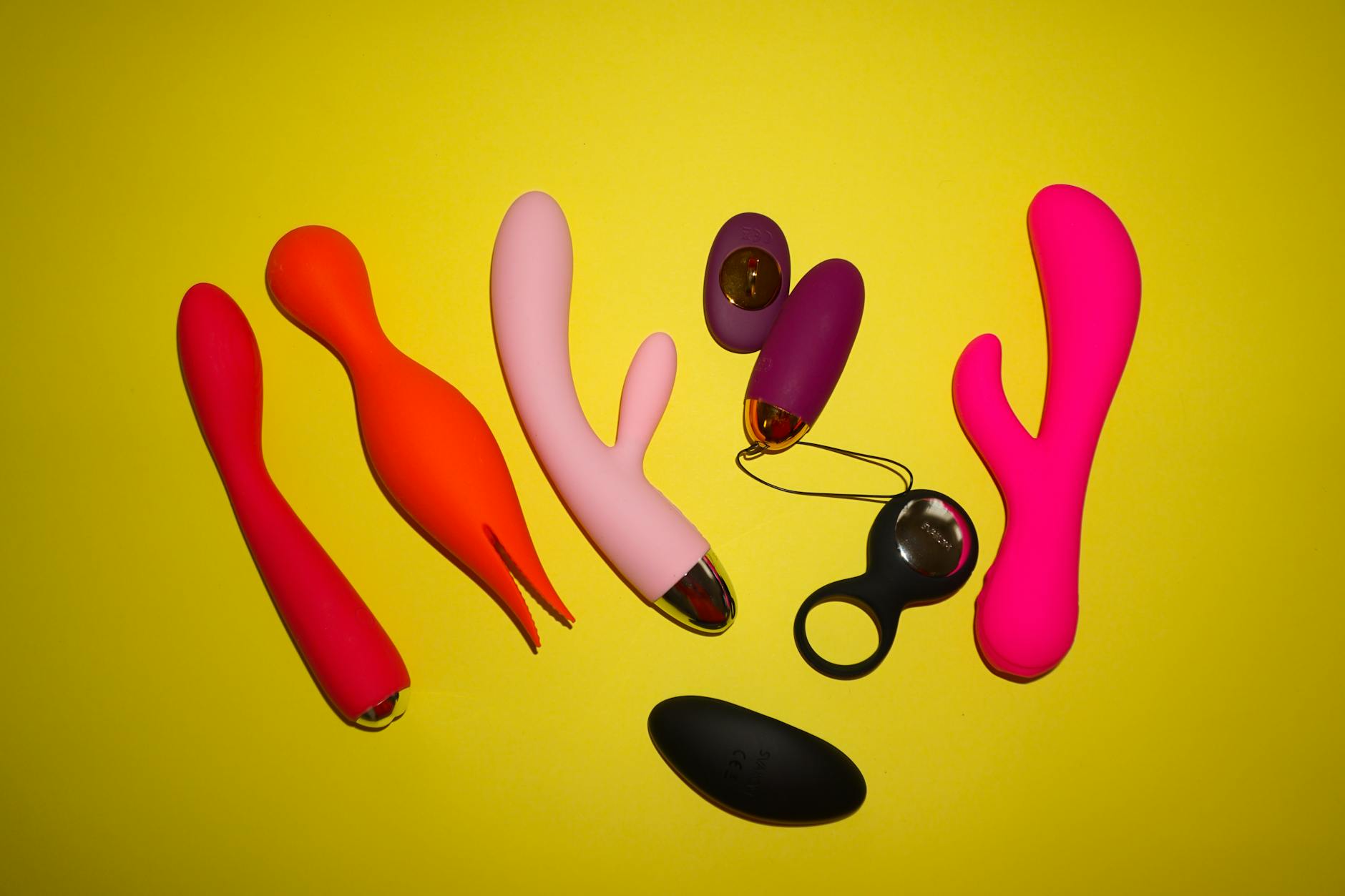
Lemon clitoral vibrators like the Lem work for slower arousal because they do something your hand or a partner's tongue can't sustain: consistent, targeted stimulation over the exact period your body needs to reach full engorgement.
When arousal naturally takes 15 to 25 minutes to build, that's a long time for someone's jaw to keep going, or your own hand to maintain the perfect pressure. Fatigue sets in. Focus breaks. The air-suction technology in lemon vibrators maintains the stimulation pattern you choose without physical effort.
Second, the suction-based approach is gentler on the clitoris than traditional vibration, which matters because as tissue becomes more delicate with age, sustained friction can feel less pleasurable and sometimes uncomfortable. Suction creates a rhythmic sensation that pulls rather than buzzes, which many people find both more intense and less physically taxing.
Third, knowing you have a tool that's designed for longer arousal time shifts the psychological piece. You're not rushing. You're not waiting for someone else to get tired. You can set a lemon sucker to a low pattern, sit with it, and let your body do what it needs to do.
The timing shift that actually matters
Here's the practical reframe. Instead of "arousal takes longer" (which sounds like a problem), think of it as "I get to have 20 minutes of dedicated pleasure time."
Plan for it. Block it. Treat those 15 to 25 minutes the same way you'd treat a coffee date with a friend. You're not squeezing it in between other tasks. You're not half-paying attention. You're present.
When you use a lemon vibrator with this mindset, the arousal actually deepens. Your nervous system settles. You notice things you used to miss. Skin sensitivity. The shift in your breathing. The exact moment fullness happens in your clitoris and vulva.
Start at pattern one or two on your lemon clitoral vibrator. There's no rush to turn it up. Let your body meet the stimulation rather than chasing harder intensity. I usually recommend staying in the lower patterns for the first 10 to 12 minutes. Only then, once you feel clearly aroused and engaged, move up if you want more intensity.
What longer arousal means for partnered sex
If you have a partner, the timing shift requires conversation. Not "I'm broken, fix me" but "My arousal needs more time now, and I want to use this way to make it better for both of us."
This is actually an opportunity. Many couples get lazy after 10 or 20 years together. Introducing a lemon vibrator and building in 20 minutes of foreplay together is like saying "I want us to actually pay attention again." Partners often find this refreshing rather than threatening.
One thing I suggest: use the lemon vibrator while your partner does other things. They could be touching you elsewhere, kissing you, talking to you, or simply present and engaged. The vibrator isn't replacing them. It's replacing the pressure on them to single-handedly create arousal on a timeline that was never realistic anyway.
The solo practice that builds everything
If you're using a lemon vibrator alone, the longer arousal window is actually a gift. You get to study your own body without performance pressure. You get to notice what patterns feel best, which intensity levels create the kind of orgasm you actually want, and whether your arousal likes slow builds or faster escalation once it starts.
Most of my clients who experiment with lemon sexual toys solo first report that they learn more about their pleasure in a few weeks than they did in years of partnered sex. That knowledge then transfers. You know what you need, so you can ask for it or recreate it.
Hormones and arousal timing
If you're post-menopausal, hormone shifts play a role in how long arousal takes. Estrogen's drop affects blood flow and tissue responsiveness. Testosterone decline (yes, people with vulvas produce testosterone) can soften desire initially. This is temporary and manageable. Topical estrogen creams, if prescribed by a menopause-informed doctor, can speed up arousal timing. But even without hormonal treatment, most people adapt beautifully within a few months of intentional practice.
If you're on hormonal birth control and noticing slower arousal, the same principle applies. Your body adapted to the hormone profile. It will adapt to increased time. You're not broken. You're just recalibrating.
The patience paradox
Here's the weirdest part. When you stop fighting longer arousal time and actually budget for it, arousal often starts happening faster. Your nervous system relaxes. Anticipation builds. You're not clock-watching. The psychological shift alone changes the timeline.
I've had countless clients tell me their arousal improved once they accepted it wasn't going to be instant and built in real time for it. Paradox, but true.
FAQ: Arousal timing and lemon vibrators
How much longer does arousal actually take as we age?
There's no universal number. For some people, it's an extra 5 to 10 minutes. For others, it's closer to 20 to 30 minutes. The range depends on hormones, stress levels, relationship dynamics, and how much intentional practice you're putting in. Medication, thyroid function, and overall cardiovascular health also matter. The key is to stop comparing your timeline to what it used to be or what you think it should be, and start observing your actual pattern.
Can you actually feel suction-based stimulation the same as vibration?
Yes, but it's different. Vibration buzzes. Suction pulls and releases rhythmically. Many people describe suction as more intense and more localized. Because lemon vibrators use air-suction technology, they create that rhythmic pulling sensation that can feel deeper than traditional vibrators. Some people prefer it immediately. Others need a few sessions to adjust. Try pattern one for a minute, then pattern two. Your body will tell you if it's the right fit.
If arousal takes longer, does that mean the orgasm takes longer too?
Not necessarily. Once your body reaches full arousal, orgasm timing is usually independent. Some people notice their orgasms are actually more intense when they've had a longer arousal window. The extended build creates more tension, which releases more powerfully. Others find orgasm timing stays the same. Again, you'll notice your own pattern once you stop rushing.
Should I use a lemon vibrator every time I want arousal to happen faster?
No. Use it as one tool in a bigger toolkit. Sometimes you'll want to use one. Sometimes you'll want partner stimulation. Sometimes you'll want a combination. The goal isn't to become dependent on a specific tool. It's to understand your arousal pattern and have multiple ways to work with it.
Does lube help if arousal takes longer because tissues are drier?
Yes, absolutely. Slower arousal often coincides with less natural lubrication, especially if you're post-menopausal or on certain medications. A water-based lube reduces friction and can actually speed up the perceived arousal time because you're not spending energy managing discomfort. Use it with your lemon clitoral vibrator. It improves glide and sensation.
At what age does arousal timing start to shift?
There's huge variation. Some people notice changes in their 40s. Others don't until their 50s or later. Stress, relationship changes, medication, and medical conditions matter more than age itself. I've worked with 35-year-olds experiencing slower arousal and 65-year-olds with the same quick response they've always had. Stop using age as a prediction and start paying attention to what's actually happening in your body.
The reframe you need
Slower arousal isn't a decline. It's permission to be more intentional about pleasure. When you use that time well—with a tool designed for it, like a lemon vibrator, and with genuine presence—arousal becomes richer, more conscious, and honestly more satisfying than it was when it was automatic.
Your body isn't punishing you. It's inviting you to pay attention. That's the gift.