Here's what nobody tells you about conflict and desire
Relationship conflict doesn't just create emotional distance. It shuts off the nervous system's capacity for arousal entirely. When you've been arguing, when there's tension hanging in the air, when you haven't felt safe or heard by your partner for days, your body doesn't magically switch gears during sex. It locks down.
This is biological, not broken.
Why conflict kills intimacy (and why it's not personal)
When you're in conflict with a partner, your body stays in a low-level threat state. Your nervous system is monitoring for danger, tracking tone of voice, reading facial expressions for signs of rejection or anger. That's the opposite of the relaxed alertness you need for arousal.
Add to that the shame layer: many people feel awkward initiating sex after a fight, or feel like they're "giving in" if they soften first. So there's the physical barrier (nervous system locked) plus the emotional barrier (guilt, pride, fear of being hurt again).
This is why couples often swing from conflict straight into avoidance. The physical distance grows. And after a few weeks of that, you're not just angry anymore. You're disconnected. The fight becomes background noise while you both wonder if the relationship is actually okay.
The role of physical reconnection (and why it matters more than talk)
Honestly, after conflict, talking about the conflict usually doesn't restart intimacy. It can, but more often, one person rehashes while the other shuts down or gets defensive. What actually rebuilds safety is touch. Non-sexual touch first. Then, when you're ready, sexual touch.
This is research-backed. My mentor, Dr. John Gottman, spent decades studying what actually repairs relationships. One of his core findings: couples who can move through conflict and then physically reconnect faster actually stay together longer. Not because the sex fixes the problem, but because physical affection signals "I still choose you, even though we're hard right now."
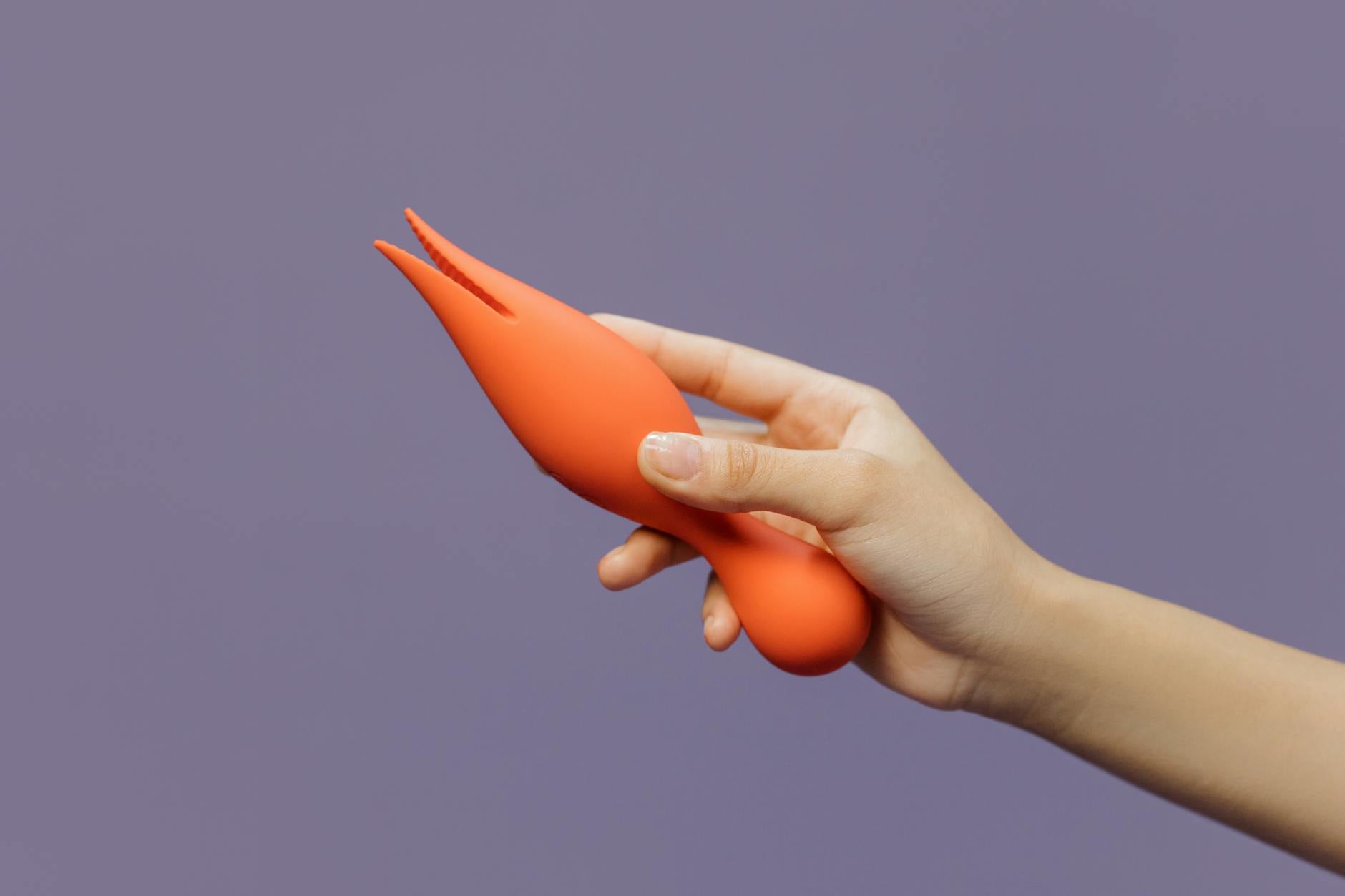
When you're both ready to try, a lemon vibrator offers something important: it shifts the focus from performance or proving something to each other. It's not about "making up sex" or proving you still love them. It's about mutual pleasure.
The first move: touch without agenda
Before you even think about introducing a lemon vibrator, you need to rebuild basic safety through non-sexual touch. This sounds obvious, but most couples skip it. After a fight, you jump straight to either avoidance or sex. Neither works.
Start small. Hold hands while you're sitting on the couch. A hand on their shoulder. A hug that lasts longer than three seconds. These micro-touches tell your nervous system "this person is safe again."
Do this for 2-3 days before you even suggest sexual touch. Your body needs time to downshift from conflict mode.
Reintroducing pleasure when you're both wary
Once basic touch feels okay again, the conversation matters. You don't need to make a speech. You can say something like: "I miss us. I'm not trying to fix the fight with sex, but I'd like to remember what we're like when we're close."
Then, here's the thing about introducing a lemon vibrator after conflict: it depersonalizes the pressure. You're not asking "Will you want me?" You're both exploring something together. If it feels awkward, that's actual normal.
Start with the vibrator being about pleasure, not about repair. Watch them explore it. Use it on yourself while they watch, if that feels right. Let curiosity lead instead of urgency.
Settings and timing when you're rebuilding
After conflict, you don't need intensity. Start on the lower settings of your lemon vibrator. Pattern 1 or 2. Your nervous system is still somewhat activated, and gentle stimulation actually helps regulate it faster than strong sensation does.
Timing matters too. Not right after you've resolved the fight or had the conversation. Wait until that evening or the next day, when some time has passed. The goal is for this to feel like moving forward, not like immediate reconciliation.
If you have a lemon clitoral vibrator on hand, the suction sensation actually works well here because it doesn't require the kind of focused attention that friction-based vibration does. You can relax into it. Your mind can settle. That matters when you're still a bit raw.
The conversation piece: using a toy with a partner who's hesitant
Here's where it gets real. After a fight, some partners worry that suggesting a toy means you weren't satisfied with them, or that sex isn't working. They might feel defensive or rejected.
You need to name this. "I want to try something because I want to feel good, and because I want you to see me feel good. Not because anything's wrong with you."
If they're still wary, start by using it alone while they're in the room, or ask if they want to hold it and control it. That shift can help. They move from feeling replaced to feeling involved.
Once they see how a lemon vibrator works, how it creates sensation without replacing them, the resistance usually softens.
What to avoid when you're still healing
Don't use sex or toys as a way to avoid actually addressing the conflict. If the fight is about something serious (infidelity, broken agreements, fundamental mismatched values), getting intimate doesn't resolve it. It just temporarily masks it.
Also, don't pressure yourself or your partner into being "back to normal" faster than is real. If you're still angry, if you still don't trust them fully, that's information. Physical reconnection can coexist with that. But don't use sex to pretend the anger isn't there.
And, practically: make sure you're both actually interested. Guilt sex is worse than no sex. Better to wait a few more days than to pressure through it.
Why couples often say "that actually helped"
The reason couples report that reintroducing physical pleasure helps repair conflict isn't magic. It's that it rebuilds the felt sense of "we're okay." After fighting, you lose that. Your body doesn't remember that you like each other.
Using a lemon vibrator together shifts you out of argument mode and into collaborative mode. You're not debating. You're not rehashing. You're paying attention to sensation and to each other's pleasure.
That doesn't erase the fight. But it reminds you both that you chose this person, and that underneath the anger, there's still affection, attraction, curiosity.
If you're both interested in trying this, the best move is to keep it simple. A lemon clitoral vibrator, lower settings, no performance pressure, and genuine curiosity about what feels good. That's it. That's often enough to restart the engine.
FAQ: Reconnecting After Conflict With a Lemon Vibrator
How long should I wait after a fight before suggesting sexual reconnection?
Minimum two to three days. You need time for the nervous system to genuinely settle, not just surface-level agreement. Watch for genuine softening: they're making eye contact, initiating small touch, initiating conversation without defensiveness. Then you're ready.
What if my partner thinks using a toy means I'm not satisfied with them?
Name it directly. "I want to introduce something that helps me feel pleasure. This isn't about you being not enough. It's about me exploring what feels good, and I'd like you there." Then show them. Let them see that you're using it to feel more, not to replace them. Many partners relax once they understand it's additive, not subtractive.
Can a lemon vibrator actually help repair a relationship after conflict?
It's not therapy, but it can help. Physical reconnection signals safety and choice to your nervous system. A lemon vibrator makes that reconnection easier because it shifts focus from performance anxiety to shared exploration. The repair comes from the conversation, the time, and your mutual willingness. The vibrator just makes that easier.
What settings should I use on a lemon vibrator after conflict when I'm still emotionally tender?
Start low. Patterns 1 or 2. Your nervous system is still slightly activated from stress, so gentler sensation actually helps you regulate faster. You can always increase intensity later once you're both more relaxed.
Is it weird to use a toy together if we've never done that before?
Completely normal to feel weird. Most couples haven't. That awkwardness usually passes in about two minutes once you stop thinking about it. A lemon clitoral vibrator makes this easier because the novelty is interesting enough to override self-consciousness.
What if we try this and it doesn't help the relationship?
Then the conflict is about something deeper that needs real conversation or professional support. Physical intimacy can coexist with unresolved issues, but it doesn't substitute for addressing them. If you're still disconnected after a few attempts to reconnect, it might be time to talk to a couples therapist.
Rebuilding after conflict is possible. It's not instant, and it takes genuine willingness from both people. But when both partners are ready to move forward, physical reconnection often helps more than another conversation about what went wrong. A lemon vibrator can be that bridge, especially when pressure and performance anxiety are the barriers keeping you both stuck.
Ready to take the first step? Start with touch. Build from there. Your body knows how to reconnect if you give it permission and time.