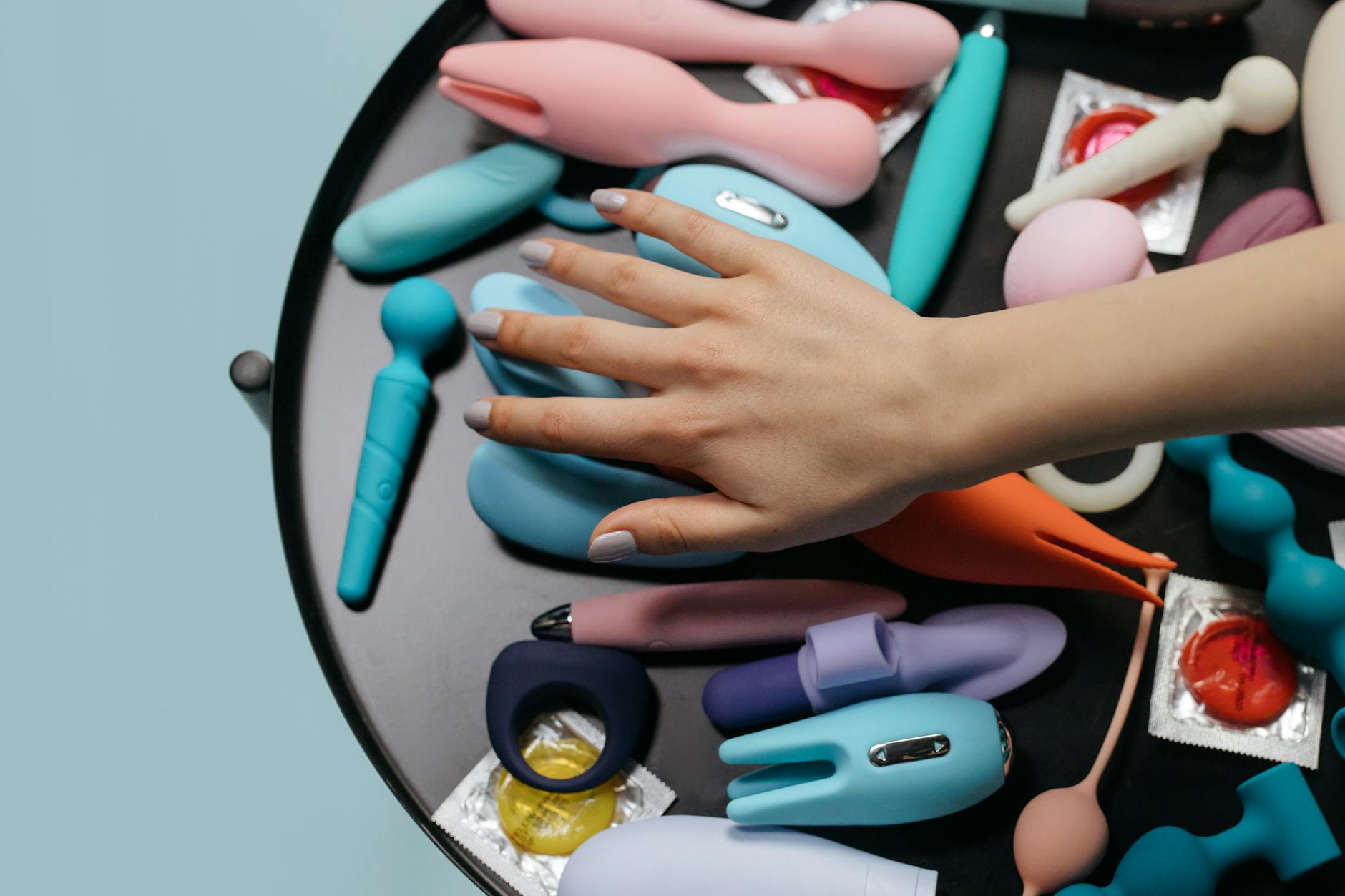
The weird thing about desire returning
You've been sick. Really sick. Maybe it was weeks. Maybe months. Your body was doing something other than pleasure. Sex felt impossible, irrelevant, or physically out of reach. And then one day, without warning, you want it again.
This moment throws a lot of people off balance. You expect to just pick up where you left off. Except your body doesn't feel like your body anymore. Your clitoris might feel more sensitive than before, or less. Your arousal might come faster or need more time to build. Your confidence about what you want is gone.
That's the exact moment when a lemon clitoral vibrator becomes your tool for reconnection.
Why extended illness changes your pleasure baseline
Physical recovery is obvious. But sexual recovery is something nobody warns you about. Here's what happens physiologically during extended illness or recovery periods.
When you're unwell, your body deprioritizes sexual response. Blood flow goes to immune function, not arousal. Neural pathways that fire during pleasure get quiet. Hormones that trigger desire drop. You're in survival mode. Your nervous system isn't thinking about orgasm; it's thinking about healing.
When you recover, those systems don't automatically switch back on. Your body is cautious. It's building strength back slowly. And psychologically, you've spent weeks or months not being sexual. That absence creates a gap. You're not the same person who was sexual before.
That doesn't mean you're broken. It means you need to relearn.
The confidence crisis nobody talks about
Here's what I hear most from clients rebuilding after illness. "I don't know if I still work." Or "What if I try and nothing happens?" Or "I feel like my partner is waiting for me to be 'back to normal,' but I don't know what normal is anymore."
That fear kills desire faster than anything physical. Your mind becomes the problem, not your body.
Using a lemon vibrator alone first is the solution. Not because partnered sex is bad. But because solo exploration removes the performance anxiety. You're not trying to turn someone on. You're not worried about timing. You're just figuring out what your body needs right now, in this moment, after everything it's been through.
That's the mental reset you need.
Starting slow with lemon vibrators after illness
When you're ready to use a clitoral vibrator again, this is the framework I recommend.
Week one: sensation mapping, no goal. Use your lemon vibrator on the lowest setting. Don't aim for an orgasm. You're just checking in with what feels good. Does pattern one feel pleasant, overwhelming, or boring? Is the suction mode too intense? Where on your clitoris does it feel best? You're gathering information, not chasing a finish line.
Week two: longer sessions, same low settings. Increase your session length from five minutes to fifteen. Let your body warm up. Arousal after illness takes longer to build. That's not a problem; it's just different. Your nervous system is being cautious. Honor that.
Week three: introduce medium settings. If low settings feel comfortable, try patterns two or three on your lemon vibrator. Notice what happens. Does intensity help or overwhelm? Does it feel good for longer, or do you need to back off? There's no right answer. You're learning your new baseline.
Week four and beyond: add your preferences back. Now you can think about what you actually want. Faster patterns? The suction mode? Different timing in your cycle? You've gathered enough data to make choices instead of guessing.
The clitoral vibrator conversation with your partner
If you have a partner, they need context. Not permission, but understanding. Say something like: "My body feels different now after being sick. I want to rebuild how I feel about sex, and I'm using a vibrator by myself for a bit. This isn't about you. It's about me getting confident again."
Most partners get this immediately. Some need reassurance that you're not replacing them. You're not. You're resetting yourself so that partnered sex can be better when you're ready.
When you do invite them back in, frame it the same way. "I'm learning what feels good now. Let's try this together and see what happens." That removes the pressure of "performance" from the first partnered experience after recovery.
Physical adjustments for post-illness arousal
Your body needs a few specific things right now. Think of these as scaffolding, not permanent crutches.
First, warmth. A warm shower or bath before using your lemon vibrator helps blood flow to your genitals and relaxes your pelvic floor. You don't need a long soak, fifteen minutes works.
Second, breathing. Illness makes people shallow-breathe. Your nervous system stays stuck in low-level alert. Before you use your clitoral vibrator, spend two minutes on deep breathing. In for four, hold for four, out for six. This signals your body that it's safe to relax into pleasure.
Third, lubrication. Even if you're producing natural lubrication, water-based lube helps the vibrator glide smoothly and reduces friction. Use it generously. It's not cheating; it's support.
Fourth, time. Don't schedule this like an appointment you need to finish. Give yourself thirty to forty minutes, even if you only use the lemon vibrator for ten of them. The buffer takes pressure off.
When sensation feels strange or painful
Some people report that their clitoris feels numb after extended illness. Others say it's suddenly hypersensitive. Both are normal. Both are temporary.
If you're experiencing numbness, start with the suction mode on a lemon vibrator rather than vibration. Suction stimulates different nerve endings and often reaches sensation that direct vibration doesn't. You might also try using the vibrator through light fabric at first, which reduces intensity while you rebuild sensation.
If you're hypersensitive, absolutely stick to the lowest settings. Use the vibrator indirectly at first, stimulating the area around your clitoris instead of directly on it. Most people find that after a few weeks of gentle use, hypersensitivity settles into normal sensation.
If either feels painful rather than just intense, talk to your doctor. Pain during recovery is sometimes worth investigating.
The first orgasm after illness matters psychologically
It might not feel the same as before. It might be shorter. It might be stronger. You might cry, or laugh, or feel nothing much at all. All of this is fine.
What matters is that you had it. Your body proved to you that pleasure still works. That evidence is powerful. It rewires the fear and the doubt. One successful experience with your lemon vibrator is worth a dozen conversations about whether you "still work."
If you don't orgasm on the first few tries, that's also completely normal. Extended illness changes your baseline. You might need more time, more stimulation, or a different approach. That's not failure. That's just information. Keep exploring.
Rebuilding partnered sex after recovery
Once you've reconnected with solo pleasure, inviting your partner back in is the next layer. But timing matters. You want to feel confident and curious before you add another person's expectations into the mix.
When you do reconnect partnered, there are a few smart moves. Use your lemon vibrator together. Let them see what you've discovered about what feels good. This removes the mystery and the pressure. They're not guessing. You're showing them. It's collaborative, not performative.
Start with what you've already tested. If you know that pattern two on your vibrator with fifteen minutes of buildup gets you there, lean on that first. Once partnered sex feels normal again, you can experiment more.
And honestly? Having a clitoral vibrator as part of partnered sex after illness is powerful. It means you're not relying entirely on their touch to orgasm. You have your own source of reliable pleasure. That's confidence.
When to check in with a professional
If you've been using a lemon vibrator regularly for six weeks and nothing feels good, or if numbness isn't improving, mention it to your doctor. Sometimes post-illness sexual dysfunction is hormonal and worth treating. Sometimes it's neurological and needs specific rehab.
If psychological anxiety around sex is still blocking you after a few months of using a vibrator alone, a sex therapist or therapist specializing in trauma or health anxiety can help. Illness is a body-based trauma. Sometimes you need help processing that.
But most of the time, slow, consistent exploration with a lemon vibrator is exactly what your body needs.
The bigger picture: your body isn't your enemy
Extended illness teaches you that your body can fail you. That's terrifying. Coming back from that, especially sexually, means rebuilding trust with yourself. A lemon vibrator isn't just a tool; it's proof that your body can do good things again. That pleasure is still available. That you're still you.
Start small. Be patient. Give yourself permission to need time. Your body got through something hard. Your pleasure will too.
People also ask
How long does it take to rebuild sexual sensation after being sick?
It varies widely, but most people notice improvement within four to six weeks of gentle exploration. Sensation rarely comes back all at once. It usually returns in layers. One person might regain fullness of orgasm after two weeks while someone else takes three months. Extended illness affects everyone differently. What matters is consistency, not speed.
Can I use a lemon clitoral vibrator right after my doctor clears me for activity?
Not necessarily. Medical clearance means your body is physically healed enough for general activity. Sexual function is its own thing. I recommend waiting until you feel genuinely curious, not just cleared. Forced sexual activity during recovery can create sexual anxiety. Wait for actual desire to show up before you reintroduce vibrators or partnered sex.
Will using a vibrator solo during recovery affect how I experience partnered sex?
No. In fact, it usually helps. When you know what your body needs and feels good experiencing it alone, you can communicate that to a partner more clearly. Solo exploration isn't training your body away from partnered pleasure; it's training your brain to understand your own pleasure first. That knowledge transfers directly into better partnered sex.
What if I don't feel anything with a lemon vibrator after trying for a month?
That's worth checking in with your doctor about. It could be hormonal, neurological, or medication-related. Some medications used during or after serious illness affect sexual response. Sometimes the issue resolves once healing is more complete. Sometimes it needs specific treatment. But a month of no sensation while actively trying deserves professional input.
Is it normal to feel emotional the first time pleasure returns after illness?
Completely normal. Illness is an interruption of your sense of normalcy and control. When pleasure comes back, you're experiencing proof that you're moving past that. Some people cry. Some laugh. Some feel both. Your body has been through a lot. Emotional release during the first experiences of pleasure again makes complete sense.
Can I use a lemon vibrator if I'm still taking recovery medications?
Most recovery medications don't contradict vibrator use. Some medications do affect arousal or sensation. If you're on something that lists sexual side effects, mention to your doctor that you're planning to use a vibrator and ask if there's anything they want you to know. They might adjust timing or suggest specific approaches that work better with your medication.
The takeaway
Your body has resilience you didn't know it had. Pleasure is part of that resilience. A lemon vibrator isn't about rushing back to normal. It's about meeting yourself where you are, exploring what feels good now, and proving to yourself that your body still works. That's the foundation. Everything else builds from there. If you have questions or want support navigating this transition, <a href="/contact">reach out</a>. You're not alone in this.