Here's what nobody tells you about desire mismatch
One of you wants sex twice a week. The other is fine with once a month. You're not broken. Your relationship isn't doomed. But if you keep treating this like a problem to solve alone, it will feel like one forever.
Mismatched libido is the third most common reason couples fight about intimacy. Right after "we're too tired" and "we never talk about what we actually want." The gap creates a weird dynamic where the higher-desire partner feels rejected, and the lower-desire partner feels pressured. Both people end up resentful. Both people stop initiating.
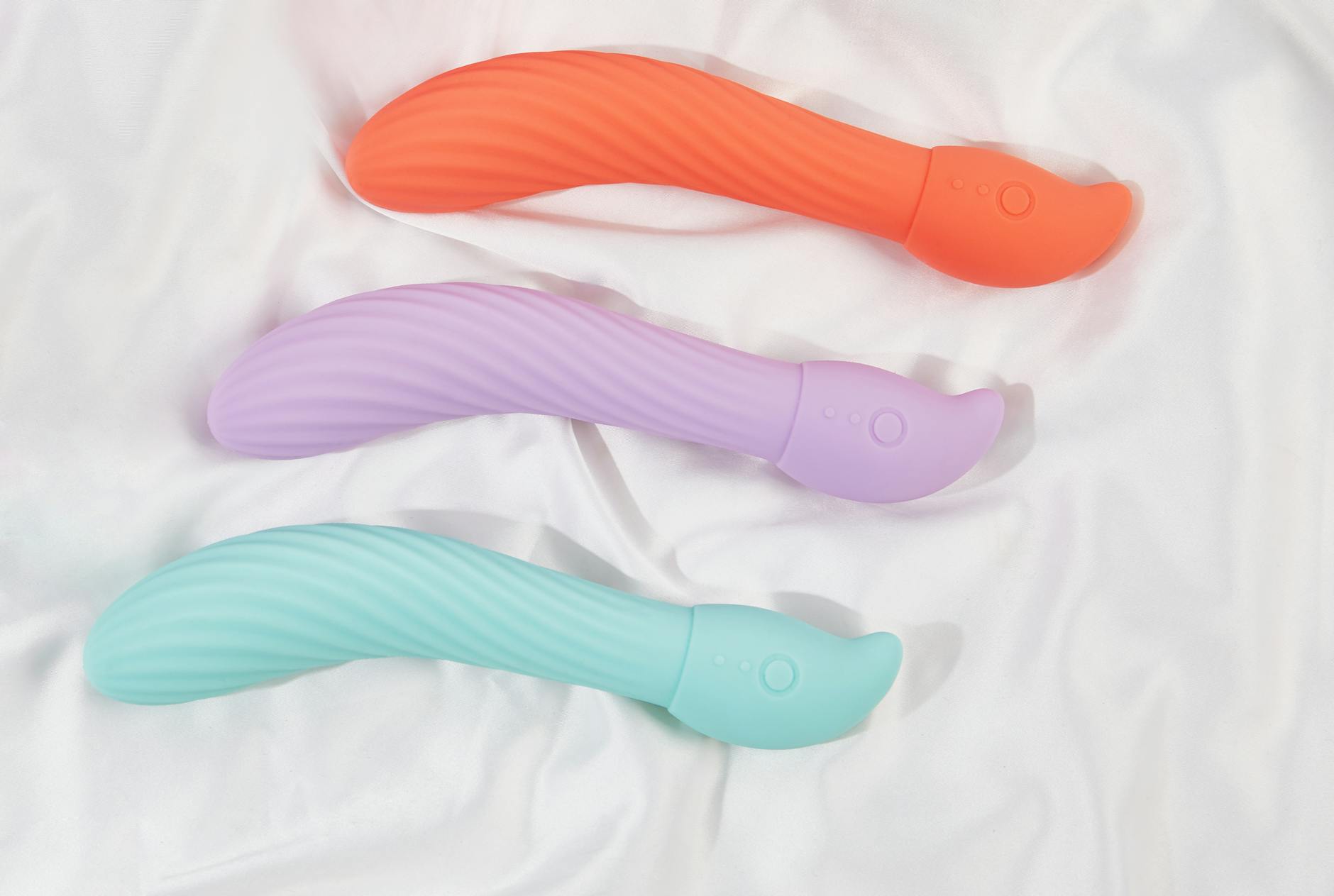
A lemon vibrator doesn't fix mismatched desire. Nothing does. But it changes the conversation from "Why don't you want me?" to "How do we both get what we need?"
The real problem isn't the mismatch itself
It's the story you're both telling about what the mismatch means. One partner assumes the other isn't attracted to them. The other partner feels guilt mixed with defensiveness. You both go quiet. And then you're not talking about desire at all. You're just managing resentment.
Here's the part that actually matters: desire discrepancy almost never means someone is broken. It usually means you're at different points in your life, you have different stress loads, you're on different medications, or you have fundamentally different baseline libidos. None of these things are about love or attraction.
What I tell couples: you can have different appetites and still have a good sex life together. But you need a different framework. Instead of "we should want the same thing," try "we both deserve to feel satisfied."
That's where a tool like a lemon vibrator actually becomes useful.
How lemon vibrators actually fit into mismatched desire
Let me be clear first: a lemon vibrator is not a Band-Aid on a communication problem. If you're using it to avoid talking about desire, you're just adding sex toys to an already stuck conversation.
But if you've actually talked about the mismatch, a lemon vibrator gives you options that neither person felt like they had before.
For the higher-desire partner: sometimes you want sex, and your partner isn't in the mood for partnered sex. That's real. That's not rejection. That's just where they are. A lemon clitoral vibrator lets you take care of your own desire without waiting for your partner to match your energy. And honestly? Many higher-desire partners find that having this autonomy actually reduces pressure on their partner. When you're not waiting around hoping they'll want sex, they sometimes find they actually do.
For the lower-desire partner: knowing your partner can satisfy themselves takes some of the pressure off. You're not the only source of their pleasure. You're not responsible for managing their libido. That's weirdly freeing. And when you do want sex together, you're both coming to it from a place of choice, not obligation.
The lem vibrator, specifically, works well in this setup because the suction sensation is different from partnered sex. It's not a substitute that makes someone feel like they're being replaced. It's its own thing.
The conversation you actually need to have
Before you bring a lemon vibrator into the picture, you need to know what you're both okay with.
Honestly though, that means getting specific. Not "do you want me to use a vibrator?" but "I've been thinking about using one when you're not interested in sex. Would you want to be in the room? Would you prefer privacy? Is there any way this would bother you?"
Some partners want to watch. Some want to leave the room and give you space. Some want to be in bed next to you doing their own thing. All of that is fine. But you need to know.
Also get real about why the mismatch is happening. Is your lower-desire partner stressed? On antidepressants? Dealing with hormonal shifts? Is the higher-desire partner using sex as a primary way to feel close? Are you both exhausted from kids or work? The cause shapes the solution. A lemon vibrator helps with the symptom. The conversation fixes the root.

Photo by cottonbro studio on Pexels
When solo play actually brings you closer
This feels counterintuitive, but people with mismatched desire often reconnect when they stop insisting on matching schedules.
Here's what I've seen in my practice: when the higher-desire partner stops pursuing and instead says "I'm going to take care of myself tonight, and you can join if you want," something shifts. There's no pressure. There's no rejection. And somehow, paradoxically, the lower-desire partner sometimes wants to participate. Not because they feel obligated. Because they're not defending against pressure.
Using a lemon vibrator solo, with your partner in the room or nearby, changes the dynamic. It says "my pleasure matters, and I'm not waiting for you to provide it." That's not selfish. That's actually the most generous thing you can do in a mismatched-desire relationship. It takes the pressure off your partner. And it keeps you from building up resentment.
Many couples I work with start this way. One partner uses a lemon clitoral vibrator solo. The other person is doing something adjacent. Reading. Touching them. Watching. Not because they're obligated, but because they chose to be there. And that choice is the entire thing that changes how it feels.
Creating space for both of you to want what you want
Desire mismatch stops being a problem when both people stop trying to want the same thing.
Instead: the higher-desire partner gets to satisfy themselves. The lower-desire partner doesn't have to perform desire they don't feel. You both stop lying. And somewhere in that honesty, the resentment actually dissolves.
A lemon vibrator is a tool for that honesty. It says "I want to feel good, and I'm not waiting." It says "you can have your own desire, and I can have mine." And it says "we're still intimate, just not in the way we thought we had to be."
The goal isn't to use a lemon sucker and pretend the mismatch doesn't exist. The goal is to use it as part of a bigger conversation about what both of you actually need. And then to build a sex life around that, not around some fantasy where you both want the same thing at the same time.
If you've never had that conversation, start there. Not with the vibrator. With the words. Tell your partner what you actually want, and ask them what they want. Then figure out how to both get it.
A lemon vibrator is just the tool that makes it possible.
Handling the emotional stuff that comes up
When you introduce any kind of solo sex play into a mismatched-desire relationship, feelings come up. Both of you.
The higher-desire partner might feel: relief, but also lingering hurt about past rejection. The lower-desire partner might feel: guilt, gratitude, or sometimes a weird jealousy they didn't expect. These feelings are normal. And they need air.
If jealousy shows up (for either of you), that's information. It usually means there's something underneath about feeling replaced or not being enough. That needs a conversation, not a vibrator to fix it.
If you're noticing your partner pulling away more after you introduce this, check in. Ask directly: "I want to make sure this feels okay for you. Does it?" Give them space to tell you the truth. Sometimes what looks like libido mismatch is actually a sign that something else in the relationship needs attention.
But here's what I've seen work: when both partners are honest about what they want, and they give each other permission to want different things, the resentment actually starts to lift. And sometimes, when the pressure is off, desire naturally starts to even out. Not always. But often enough that it's worth trying.
FAQs: Mismatched desire and lemon vibrators
What if my partner feels replaced when I use a lemon vibrator?
That's worth addressing before you go further. Ask your partner what specifically feels like replacement. Is it about attraction? About missing emotional closeness? About feeling like they're not enough? Once you know, you can actually fix it. A lemon clitoral vibrator isn't a substitute for partnered sex. It's a tool for when you want different things at different times. If your partner is worried it means you don't want them, that's a conversation about reassurance and connection, not about the vibrator itself.
Can a lemon vibrator actually help us have better sex together?
Sometimes yes. If you're both willing to explore it together. <a href="/blog/how-to-use-lemon-vibrator-for-intense-orgasms-with-a-partner">Using a lemon vibrator with your partner for deeper sensation</a> changes what you can experience together. But if you're using it as a way to avoid talking about mismatched desire, it won't help. It'll just become another source of tension.
My lower-desire partner doesn't want me to use a vibrator at all. What do I do?
Respect that boundary, and then dig into why. Are they uncomfortable with vibrators in general? Do they feel like it means something about their desirability? Are they worried it will make you less interested in partnered sex? Once you understand the fear, you can address it. You might find middle ground. You might find that their discomfort points to something bigger that needs attention.
Is using a lemon vibrator when my partner isn't interested the same as cheating?
No. Solo sex is not infidelity. Not even when your partner is in the next room. But only if you've both agreed to it. If you're hiding it, that's the problem. Not the vibrator. Have the conversation first. Get on the same page. Then the vibrator is just a tool, not a secret.
How often should I be using a lemon vibrator if we have mismatched desire?
As often as you want. There's no right number. Some people use one a few times a week. Others use one once a month. It depends on your baseline desire and what feels right for your body. The point isn't frequency. The point is that you're taking care of your own pleasure instead of waiting around for your partner to want the same thing.
Can lemon vibrators actually help lower-desire partners want more sex?
Sometimes, indirectly. When the higher-desire partner stops pursuing and starts satisfying themselves, some lower-desire partners actually find they want sex more. Not because the vibrator is magic. But because the pressure lifted. When sex isn't something you feel obligated to provide, it becomes something you might actually want to participate in. That's the real shift.
The bottom line
Mismatched sex drive is one of the hardest things couples navigate. It's not simple. It's not fixable with a tool. But a lemon vibrator can be part of how you build a sex life that works for both of you, even when you want different things.
The real work is the conversation. The vibrator is just permission to stop pretending you want the same thing. Once you do that, everything changes.
If you're stuck in this dynamic and the conversation isn't working, <a href="/contact">reach out to talk through it</a>. Sometimes you need a third person to help you get unstuck. And that's okay.