
Let's talk about the gap
Maybe it was health. Maybe it was grief, depression, or a relationship that ended. Maybe you simply stopped wanting and never quite figured out why. Whatever the reason, you're here now, thinking about pleasure again, and that takes guts. The fact that you're considering lemon vibrators means you're ready to try, which is already the hard part.
Here's what nobody tells you: restarting sex after years of nothing is not like picking up where you left off. Your body has changed. Your mind has changed. Your relationship to desire itself has shifted. That's not failure. That's information. And it changes how you approach using tools like a lemon vibrator.
Why the mental game matters more than the toy
I work with couples and individuals navigating this exact transition all the time. The most common mistake is treating the lemon vibrator as a fix, as if the device itself will magically restore what dormancy stole. It won't. What it will do is give your nervous system permission to explore again without the pressure of a partner, performance, or orgasm itself being the end goal.
When you've been away from sex for years, your brain often forgets that pleasure is available to you. Desire doesn't disappear, but it goes quiet. Using a clitoral vibrator alone, with zero expectation of an outcome, is how you reactivate that signal.
The lemon suction vibrator is particularly useful here because the sensation is novel. If your body knew what traditional vibration felt like years ago, air-pulse technology on your clitoris feels completely different. That novelty wakes up attention in a way that bypasses a lot of the shame or self-consciousness that can block arousal after a long gap.
Physical preparation before you start
Three things to handle first.
Clear the space. Not metaphorically. You need 20 minutes alone, in a locked room, with your phone on silent. No kids, no partner walking in, no ambient anxiety about being caught. If you share a home with others, shower, sit on your bed with the door locked, and commit to that time. This isn't selfish. This is retraining your nervous system to feel safe exploring pleasure again.
Manage lubrication ahead. After years without sexual activity, tissue can be drier or less responsive to arousal cues. A small amount of water-based lubricant makes everything feel less like friction and more like glide. It also lowers the bar for arousal. You don't need to be wildly wet to make this work. Just enough to take pressure off your body.
Charge your lemon vibrator fully. You don't want to be 10 minutes in and have the device die. That's a perfect excuse for your brain to quit. A fully charged lem vibrator gives you 60 to 90 minutes of continuous use, which is way more than you'll need, but the assurance matters.
How to actually use the lemon vibrator after a long gap
Start with this structure.
Minutes 1-5: Settling. Lie down. Don't touch yourself. Don't use the vibrator yet. Breathe. Notice what your body feels like. Notice any anxiety or excitement. Let it sit without judgment. This sounds simple because it is. Your nervous system needs permission to feel settled before you ask it to feel pleasure.
Minutes 6-10: Exploration without the toy. Use your fingers to explore the external areas around your clitoris. Not direct touch. Around it. This reactivates sensation in the region and gives your clitoris time to respond naturally. Expect this to feel less intense than you remember. That's normal. Dormancy changes responsiveness temporarily.
Minutes 11-20: Introduction to the lemon vibrator. Turn it on at the lowest setting. The Lem typically starts at pattern 1, which is gentle. Don't aim it directly at your clitoris. Rest it against the external area, the mons pubis, or the side of the clitoris. Let your body get used to the sensation. This is not about chasing an orgasm. It's about remembering that pleasure is something you can access.
Minutes 21+: Deepening. If it feels good, stay there. If intensity increases, move to pattern 2 or 3. If you feel yourself getting close to an orgasm and you panic, that's okay. Pause. Breathe. Use your hands instead. An orgasm isn't the prize here. Comfort with your own arousal is.
Many people starting over expect an orgasm on the first solo session. It doesn't happen. And that's actually protective. Your brain isn't ready for that kind of intensity yet. By session two or three, your nervous system will be more open.
Why partners need to be part of this conversation
If you're restarting with a partner present, they need to understand what's happening and why you're starting solo. This is not because they're not enough. It's because you need to rebuild trust with your own body first. Once you feel comfortable using a lemon clitoral vibrator alone, introducing it into partnered sex becomes a conversation about addition, not replacement.
That conversation matters. Say something like: "I want to explore pleasure again, and I'm starting by using a vibrator on my own. When I feel ready, I'd like to bring it into what we do together. This isn't about you. It's about me finding my way back." A partner who understands this will feel relieved. A partner who gets defensive is giving you important information about the relationship.
What to expect across multiple sessions
Session one often feels awkward. Your body is unfamiliar territory. The lemon vibrator feels like an alien tool. That passes.
Sessions two through four are typically where arousal starts feeling real. You'll notice your body responding faster. You might feel closer to orgasm. Some people reach it. Many don't. Both are fine.
By session five or six, your nervous system has recognized that pleasure is safe and available. That's when things shift. Desire often starts returning. Fantasies might surface. Your body remembers its capacity.
If you notice no improvement by session six, check in with yourself about what's blocking the process. Is it shame? Medication side effects like those from certain antidepressants? Relationship tension? Unresolved grief about the time lost? Those are all separate conversations that might benefit from a therapist or a conversation with your partner.
Common fears and what to actually do about them
"I'll get addicted to the vibrator and won't be able to come without it." This is one of the most persistent myths. Lemon vibrators don't numb your clitoris. They don't train you into dependency. What they do is create a reliable pathway to pleasure. Once that pathway exists, your fingers, a partner's touch, or your own arousal can access it too. Think of it like learning to run on a treadmill. Once you've built endurance on the machine, you can run outside.
"What if my partner feels threatened?" Have that conversation early. Explain that solo exploration helps you reconnect with your own pleasure, which ultimately serves the relationship. If your partner remains uncomfortable, that's a relationship issue that deserves its own attention. This blog covers how to use a lemon vibrator when your partner is uncomfortable with toys.
"What if nothing happens?" Pleasure after a years-long gap often returns slowly. You might need 8 or 10 sessions before an orgasm surfaces. That doesn't mean the vibrator isn't working. It means your nervous system is taking time to trust that pleasure is safe again. Patience here isn't failure. It's respect for the process.
When to bring the lemon vibrator into partnered sex
Once you're comfortable using it solo, introducing it with a partner is straightforward. Start in the same position where you've been using it alone. Have your partner present but not involved at first. Let them watch. Let them see that you're comfortable. This normalizes the vibrator in shared space.
From there, they can hold it while you guide their hand. They can use it on you while you're kissing or while they're inside you, if that feels good. There's no one right way. The point is that you've already rebuilt the neural pathway to pleasure. The vibrator is just part of the landscape now.
If you're starting over solo without a partner in the picture, the timeline is similar. Spend 5 to 8 sessions reacquainting yourself with your own arousal. Once that feels solid, you'll have a much clearer sense of what you want and need from a partner if you pursue one.
The bigger picture
Restarting intimacy after years is not a sprint. It's a slow, deliberate rewiring of your nervous system's relationship with pleasure. A lemon vibrator is a tool that makes that rewiring easier because it removes social performance from the equation. You're not trying to be sexy. You're not trying to impress anyone. You're just remembering that your body is capable of feeling good.
That memory is powerful. Once it comes back, it opens doors. To desire. To confidence. To a sense of yourself that maybe dormancy took from you. The vibrator is just the vehicle.
People also ask
How long does it usually take to feel comfortable using a lemon vibrator after a sexual hiatus?
Most people feel noticeably more comfortable by session three or four. That said, comfort is not the same as arousal. You might feel physically at ease with the vibrator after a couple of uses, but your nervous system takes longer to trust that pleasure is safe. Expect 5 to 10 sessions before arousal feels reliable and responsive. Some people move faster. Some take longer. The timeline depends on how long the gap was, whether there's unresolved trauma, medication effects, or relationship stress.
Can I use a lemon vibrator if I'm in a relationship and restarting solo?
Absolutely. In fact, solo exploration is often the healthiest way to restart when there's a partner involved. It removes performance pressure and lets you rebuild the neural pathways to your own arousal independent of your partner's involvement. Once you're comfortable alone, bringing the vibrator into shared space becomes a conversation about addition, not a defensive move.
What if I'm using an antidepressant that lowers my sex drive?
Medication can absolutely dampen arousal and orgasmic response. If you're on an antidepressant and haven't had sex in years, the gap might be partly neurochemical. A lemon vibrator can still help because the novel sensation of air-pulse technology sometimes bypasses medication-related numbness. But have a conversation with your prescriber about timing. Some people take their medication after sex rather than before. Others find success with dose adjustments. The vibrator is a tool, but the medication conversation is separate and important.
Is it normal to not orgasm on the first few tries with a lemon vibrator?
Completely normal. Your clitoris and your nervous system need time to remember what arousal feels like. An orgasm isn't the goal here. Comfort with your own arousal is. If you're expecting to come on session one after years without sex, you're setting yourself up for disappointment. Patience changes everything.
Should I use lube with a lemon vibrator?
Yes, especially if you're restarting after a long gap. Years of inactivity can mean thinner tissue and less natural lubrication. Water-based lube is your friend. It makes everything feel less like friction and more like glide. You don't need much. Just enough to take pressure off your body and let sensation dominate instead of discomfort.
What if my partner wants to be involved from day one?
Gently push back. Solo exploration first gives you a safe space to rebuild your relationship with your own arousal without performance pressure. If your partner is present, there's often a subtle (or not subtle) expectation that you'll orgasm, that you'll enjoy it immediately, that this is a couple's activity. It's not. It's your nervous system learning to trust pleasure again. Once that foundation is solid, partnered exploration works much better. This can feel like a vulnerable boundary to set, which is how to use a lemon vibrator with a partner when they're reluctant to give you space.
Can starting with a lemon vibrator help rebuild intimacy with my partner?
Yes, but indirectly. When you rebuild your own arousal capacity and pleasure confidence, that confidence shows up in partnered sex. You know what you're capable of. You know what feels good. You can communicate that clearly. Partners respond to that knowledge and that clarity. The vibrator itself doesn't rebuild intimacy. Your restored sense of your own pleasure does.
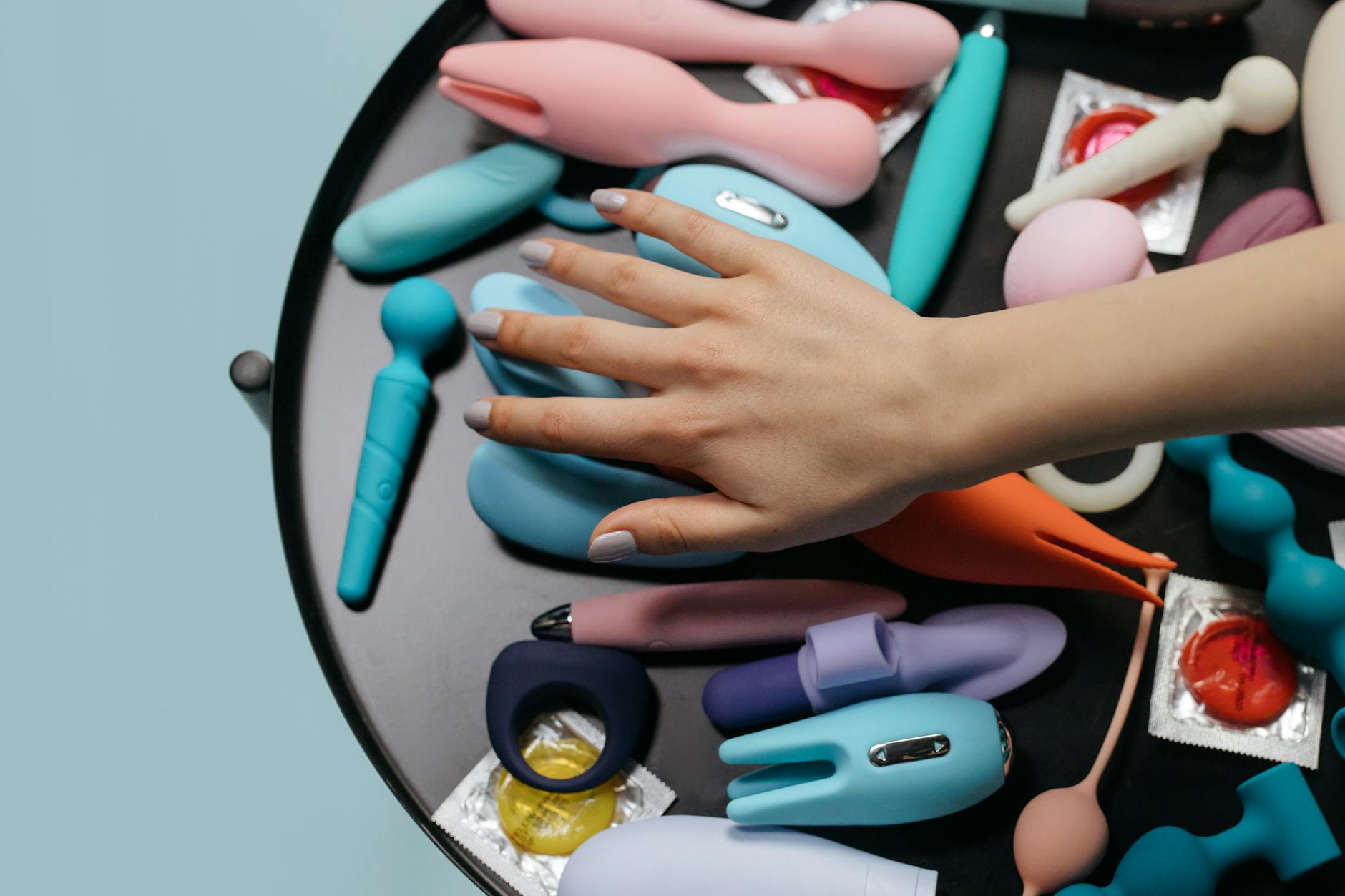
Photo by cottonbro studio on Pexels
Moving forward
You don't need permission to restart. You don't need to apologize for the gap. You don't need to rush the process. A lemon vibrator is a tool that makes reactivating your pleasure simpler and less scary because it bypasses a lot of the shame and self-consciousness that often blocks arousal after years without sex.
Start solo. Give yourself at least five sessions. Be patient with your body. When comfort arrives, pleasure usually follows. If you hit a wall, reach out to a therapist or a relationship coach who specializes in sexuality. You deserve support in this process, and you deserve to feel good again. That's not frivolous. That's essential.