Stress doesn't just kill the mood. It kills arousal at the nervous system level.
Let's be real: when you're running on cortisol and barely sleeping, sex feels less like desire and more like one more thing you're supposed to want. Your brain knows you should be attracted to your partner. Your body isn't cooperating. This isn't laziness or loss of love. It's neurobiology.
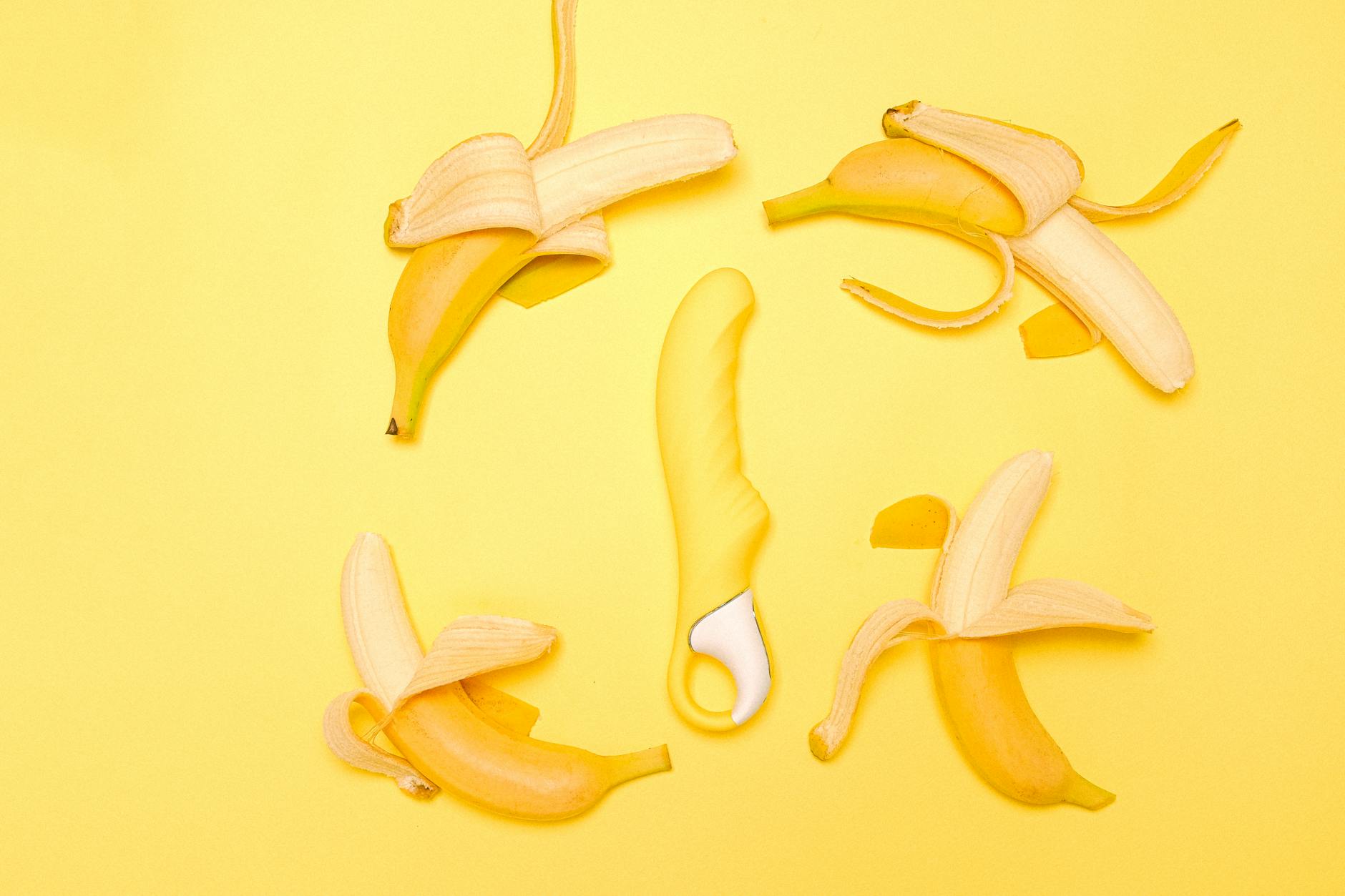
Chronically elevated stress shifts your nervous system into a protective state. Arousal requires the opposite. Your body can't be in fight-or-flight and open to pleasure at the same time. The wires literally get crossed. A lemon clitoral vibrator can help rewire that response by giving your nervous system a direct path back to sensation without the cognitive pressure of partnered sex.
Why stress shuts down arousal first
Your nervous system has a hierarchy. When cortisol is high, blood flow redirects away from pleasure zones and toward muscles needed for survival. Lubrication decreases. Clitoral sensitivity dims. Orgasms become harder to reach. Add the mental loop of "I should want this and I don't," and you've created a stress feedback cycle that makes arousal even more elusive.
Women and people with vulvas are especially vulnerable to this pattern because arousal is more contingent on psychological state than it is for men. A single stressor can unravel the whole thing. Months of stress can make arousal feel like a foreign language your body used to speak but has forgotten.
The good news: this is reversible. You're not broken. Your nervous system is doing exactly what it's supposed to do under stress. It's just protecting you from the wrong things.
How a lemon vibrator resets the arousal pathway
A lemon sexual toy works differently than traditional vibrators because of how its suction mechanism engages the clitoral complex. When stress has dampened sensation, you need a stimulus strong enough to cut through the neural noise without requiring effort from you.
The air-pulse technology in lemon vibrators creates rhythmic suction that stimulates a wider nerve cluster than vibration alone. This matters when your nervous system is dysregulated because it:
- Redirects your attention inward. Suction feels different from vibration in a way that's harder to ignore. It commands focus, which temporarily pulls you out of stress-mind and into body-mind.
- Builds sensation gradually. Unlike sharp vibration, suction ramps up pleasure in a way that feels less jarring to an anxious nervous system.
- Creates a physical anchor. Rhythmic stimulation becomes something your body can rely on, which is exactly what a dysregulated nervous system needs.
I've worked with couples where one partner's chronic stress had nearly erased their desire. When they introduced a lemon clitoral vibrator into solo time first, something shifted. Not because the toy is magic, but because it gave their body permission to feel good without the pressure of another person watching, waiting for arousal that might not come.
The solo-play reset: why it works when partnered sex doesn't
When stress kills arousal, partnered sex often makes it worse. Even with a patient partner, there's still an implicit audience. Your body is performing. Your brain is checking in: "Am I wet enough? Am I taking too long? Should I fake it?" These thoughts are the enemy of arousal recovery.
Using a lemon adult toy alone removes that audience. There's no timeline. No one's pleasure but yours matters. This sounds obvious, but it's neurologically significant. Your nervous system can finally relax enough to feel something.
Start with no goal beyond sensation. Not orgasm. Not even arousal. Just 10-15 minutes of rhythm and attention. Use the lower settings on your lemon vibrator, not because you need less stimulation, but because slow build gives your nervous system time to register pleasure without the shock of intensity.
Many people find that after two to three weeks of solo use, partnered arousal starts returning. You're retraining your body's association with pleasure. The nervous system learns: this is safe, this is available, this feels good. Once that pathway is reestablished solo, your partner can sometimes reenter the picture.
Timing matters: when your nervous system is too amped
There's a window where using a lemon clitoral vibrator will feel effective and a window where it will feel pointless. The difference is nervous system state.
If you're in acute stress (new crisis, high-stakes deadline, family emergency), trying to access pleasure might feel impossible or even icky. That's not a sign the toy won't work long-term. It's a sign you need to address the nervous system state first.
Wait for a moment when stress has plateaued but not spiked. Maybe a weekend morning when the immediate crisis has calmed. Give yourself permission to start small. Five minutes. One setting. No pressure for any outcome.
The second time you try is usually easier than the first because your body recognizes the signal. You're training your nervous system to shift gears. That takes repetition, not intensity.
How to introduce this back into partnered intimacy
Your partner might feel threatened by solo vibrator use, or they might feel relieved. Both are valid. Here's what helps the transition back to partnered touch:
Tell them what's happening. "My nervous system has been so amped that arousal shut off. I'm using this to help my body remember how to feel good. This isn't about you or us. It's about me resetting." A partner who understands the neurobiology usually gets it.
Use it together first, with no pressure for sex. Foreplay with the toy present is different from partnered sex. There's less performance demand. You're still building a bridge, but now there's another person in the room without them having to do anything but be present.
Go slow reintroducing penetration or other partnered touch. Your nervous system needs time to remember that pleasure and partner-presence can coexist. Using your lemon sexual toy early in foreplay, then transitioning to manual touch, gives your body time to adjust.
What to do if stress returns and desire disappears again
This isn't linear. Stress comes back. Life happens. You might use your lemon vibrator consistently for months, then hit a rough patch where arousal vanishes again.
That's not failure. That's your nervous system responding correctly to a stressor. The difference is that now you know the tool that helps. You know the pathway back. Many of my clients keep their toy in the rotation not because they use it every time they have sex, but because they know it works when they need it.
The key is recognizing the pattern early. If you notice arousal is slipping, go back to solo use with your lemon clitoral vibrator before partnered sex becomes tense or forced. You're not trying to fix the stress itself. That's work for therapy or life changes. You're maintaining the arousal pathway while you address the root cause.
Building back in when you're ready for partnered engagement
Once your nervous system has had a few weeks to remember pleasure, you might be ready to bring your lemon vibrator into partnered play. Some partners love this. Some feel insecure. Some of both.
The frame matters: "I want this to feel better for both of us. This helped me remember what pleasure feels like. I'd like to use it together." Make it collaborative, not solo-only. Show your partner what feels good. Let them hold it. Make it part of shared intimacy rather than a substitute.
For many couples, this becomes a regular part of their routine. Not because the partner can't satisfy them, but because the combination of their touch plus the suction feels incredible. It's not competing. It's expanding.
When to talk to a therapist or doctor
If stress is chronic enough that arousal hasn't returned after six to eight weeks of consistent use of a lemon vibrator, or if desire disappeared alongside other symptoms like sleep loss, motivation crash, or mood changes, that's a signal to see a therapist or doctor.
Stress-induced arousal loss is treatable, but it might need more than solo toy time. Therapy can help address the root stress. Your doctor can rule out hormonal or medication-related factors. A combination approach works better than any single tool.
But for the many people whose arousal shut down because of work chaos, relationship strain, or life transitions, a lemon clitoral vibrator plus patience and time usually helps the nervous system reset. Your body remembers pleasure. It just needs the right conditions and the right signal to come back.
FAQ
How often should I use a lemon vibrator when stress is affecting arousal?
Start with once or twice a week for 10-15 minutes. This is frequent enough for your nervous system to register the pattern (pleasure is available) without adding pressure to your schedule. As you feel arousal returning, you can adjust the frequency based on what feels natural.
Can using a lemon sexual toy alone make it harder to orgasm with a partner?
Not if you're intentional about it. The difference is the skill: a toy teaches your body what direct clitoral stimulation feels like, which is valuable information. When you bring that knowledge into partnered sex, it usually enhances things. The key is communication. Let your partner know what sensations work so they can learn your body alongside the toy.
What if my partner is uncomfortable with me using a lemon vibrator alone?
That's a conversation worth having, not a reason to skip it. Frame it as health maintenance: "My stress has disconnected me from my body. This is helping me reconnect. It's not about you." If they're still uncomfortable, ask what the discomfort is about. Often it's insecurity that's addressable through conversation and reassurance. Sometimes it's a boundary mismatch that needs couple's work. But your arousal recovery matters more than their discomfort with the tool.
How long does it usually take for arousal to return when stress is the cause?
Two to four weeks of consistent use is typical for noticing a shift. Some people feel it sooner. Some take longer, especially if the stress hasn't resolved. The timeline is less about the toy and more about your nervous system's ability to downregulate. That happens faster when stress is acute than when it's chronic.
Should I tell my partner I'm using a lemon vibrator to address stress-related arousal loss?
It depends on your relationship. If you have the kind of partnership where you share vulnerable stuff, yes. It opens the door for them to help. If your relationship is already under strain and vulnerability feels risky, you can disclose later, once arousal is returning. Either way, sustained secrecy tends to create distance. Honesty is usually the play, even if the timing needs adjusting.
Can a lemon clitoral vibrator work if I'm on an SSRI or another medication that affects arousal?
Yes, but differently. Some medications dampen sensation at a neurochemical level that a vibrator can't fully override. In that case, you might need a higher setting or longer session than you would otherwise. Or your doctor might be able to adjust timing or dosage. Talk to your prescriber. Many are aware that medication affects arousal and have solutions. A lemon vibrator can still help rewire the pleasure pathway even if the neurochemistry is complicated.