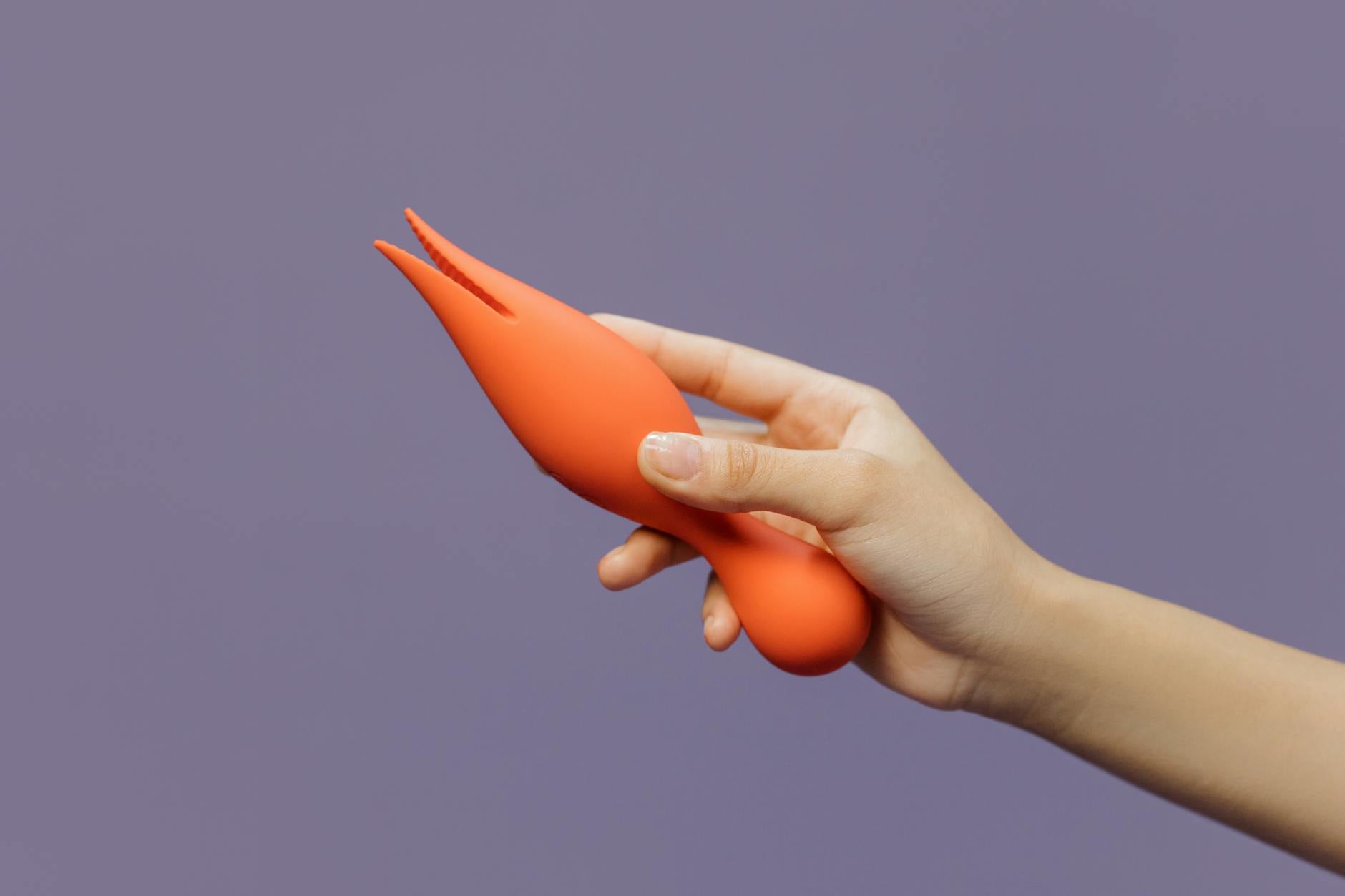
Vulva pain changes the game. A lemon vibrator changes it back.
Vaginismus and vulva pain conditions stop a lot of people from having sex. The involuntary muscle tension, the rawness, the fear that something will hurt again. It all adds up to a shutdown of pleasure that feels total. Here's the thing though: pain during penetration does not mean you can't have orgasms. It means penetration isn't the path for you right now. A lemon clitoral vibrator removes that entire equation.
I work with clients who've spent years believing their bodies are broken. They're not. Their bodies are protecting them. A lemon vibrator respects that protection while opening the door to pleasure that doesn't require penetration at all.
Why lemon vibrators work differently for pain conditions
Most vibrators are designed for internal stimulation or for hard, aggressive external pressure. A lemon vibrator works through suction. That's a completely different sensation.
Instead of vibration (which can feel overwhelming or aggravating for vulvas with pain conditions), suction creates a gentle, pulse-like sensation that draws the clitoral tissue upward. It's non-invasive. There's no poking, no pressure against sensitive skin, no risk of triggering a pain response. For people with vaginismus or vulvodynia, this distinction is massive.
The other piece: you have complete control. With a traditional vibrator, the vibration is constant. With a lemon sucker, you're working with suction levels (typically 1-3 intensity settings) that let you dial the sensation down to barely-there or up to more intense, depending on how your body feels that day.
The pain condition landscape
Vaginismus is involuntary muscle tension around the vaginal opening that makes penetration painful or impossible. It's a protective reflex, not a psychological problem, though anxiety can make it worse.
Vulvodynia and vulvar vestibulitis are chronic pain conditions affecting the vulva tissue itself. The area might feel raw, burning, or hypersensitive. Both conditions respond well to graded exposure to non-painful stimulation, which is exactly where a lemon clitoral vibrator comes in.
Postmenopausal atrophy and genitourinary syndrome of menopause (GSM) thin the tissue and reduce lubrication. Penetration becomes painful. Clitoral stimulation often feels better and safer, especially with a toy designed for sensitive skin.
All of these benefit from pleasure that doesn't require vaginal penetration. That's where clitoral vibrators like a lemon sucker shine.
How to start: the setup that matters
Three things before you even turn it on.
First, comfort positioning. You want to be somewhere you feel safe and can relax fully. For many people with vulva pain, that means lying on their back with a pillow under the low back and knees slightly bent. Some prefer sitting with support. There's no wrong way. Your nervous system needs to know there's zero pressure.
Second, a small amount of lubricant. Even though a lemon vibrator doesn't require as much lube as other toys, a thin layer of water-based lubricant helps the suction seal and reduces friction against sensitive tissue. Use less than you think you need. Start with a dime-sized amount.
Third, realistic expectations about your first time. You might not orgasm. You might feel almost nothing. You might feel a strange, unfamiliar sensation. All of those are fine. The goal isn't an orgasm on day one. The goal is showing your nervous system that this stimulus is safe and doesn't trigger pain.
The step-by-step approach
Start with the device off. Hold it against your clitoral area without activating suction. Let your body get used to the weight, the shape, the temperature. Thirty seconds to a minute is enough.
Then turn it on to level 1. This is usually so gentle you might barely feel it. Stay here for 2-3 minutes. You're not trying to build toward an orgasm. You're just collecting data: does this feel safe? Does it trigger pain or anxiety? If the answer is yes to either, turn it off, step back, and try again tomorrow.
If level 1 feels okay, you can explore level 2 after a few sessions of level 1. Don't rush this. Moving slowly is the entire point.
Once you're comfortable at a certain level, you can stay there longer. Build to 5-10 minutes of solo exploration. Some people find that consistency matters more than intensity. Using a lemon vibrator three times a week at level 1 for two weeks often creates more pleasure response than one intense session.
Why partner presence changes things
If you have a partner, their presence during early sessions can either help or hinder. Here's what helps: them sitting nearby while you explore alone. Not watching intently. Not narrating. Just present and available if you need grounding.
What doesn't help: them trying to use the lemon vibrator on you before you've used it on yourself. Your nervous system needs to trust the sensation first. Once you do, partnered use often feels different (sometimes better, sometimes less comfortable). That's normal. Communicate about what actually feels good, not what you think should feel good.
For people with trauma histories around sex, having a partner's hand on your arm or shoulder sometimes helps signal safety. Others find that distracting. You're the expert on your own nervous system.
Managing the mental layer
Vulva pain almost always comes with anxiety. Not because you're anxious people, but because your body learned to brace against pain. That learned protection doesn't disappear the moment the pain condition improves.
When you're using a lemon vibrator, especially early on, you might notice catastrophic thinking: "This won't work." "I'm broken." "This is never going to feel good." That's your nervous system running a familiar script. It's not a prediction. It's a pattern.
The antidote is boring consistency. Not pushing hard. Not trying to force pleasure. Just showing up, sitting with whatever sensations appear (even if it's "nothing"), and letting your brain slowly learn that clitoral stimulation doesn't equal pain.
Some people find it helps to journal after each session. Not analyzing the experience, just noting: "Level 1 felt neutral." "Level 2 made me a bit anxious." "I felt something warm on day 5." Your baseline shifts faster when you can see the small changes.
When to bring in professional support
If pain doesn't improve after 6-8 weeks of gentle exploration, see a pelvic floor physical therapist. They can assess whether muscle tension, tissue damage, or nerve issues are driving the pain. Treatment is often really effective, especially when paired with gradual reintroduction to stimulation.
If anxiety around sex is severe, talk to a therapist who specializes in sexual health or trauma. A lemon vibrator is a tool. It's not a substitute for addressing the nervous system patterns that underlie vaginismus or pain conditions.
If you're on medications that affect lubrication or sensation (SSRIs, antihistamines, hormonal contraceptives), mention that to your provider. Sometimes small adjustments help. Sometimes a lemon clitoral vibrator becomes even more important because other methods feel worse.
The bigger picture: pleasure is medicine
Here's what I know from working with clients: reclaiming pleasure after pain is one of the most powerful healing acts you can do. It's not frivolous. It's not selfish. It's your nervous system learning that your body can feel good.
A lemon vibrator doesn't fix vulva pain. But it can open a door to sensation that bypasses the structures that hurt. That matters. Solo pleasure matters. Orgasms matter. Your body matters.
Start small. Stay patient. Keep going.
FAQ: Vulva pain and lemon vibrators
Can I use a lemon vibrator if vaginismus makes any penetration impossible?
Absolutely. Vaginismus affects the vaginal opening and internal muscles. The clitoris is external. A lemon clitoral vibrator gives you access to pleasure that doesn't require internal penetration at all. This is one of the biggest advantages for people with vaginismus.
Will using a lemon vibrator make my vulva pain worse?
Not if you start gently and listen to your body. The suction sensation is non-invasive. If you experience pain during use, turn it off immediately. Pain is a signal that something isn't right. Respect it. Then dial back intensity or wait a few days before trying again.
How long does it take to feel pleasure again after vulva pain?
It varies widely. Some people feel a shift within a week. Others need several months of consistent, gentle exploration. Healing isn't linear. You might have a good week and then a setback. That's normal. Keep the bar low: the goal is safety and consistency, not orgasms.
Should I use numbing cream before using a lemon vibrator?
No. You want to feel sensation. Numbing creams prevent your nervous system from learning that this stimulus is safe. If you're in acute pain, see a pelvic floor therapist or gynecologist first. Once pain is managed, gentle vibrator use helps rebuild normal sensation.
Can my partner help me use a lemon vibrator if I have vaginismus?
Yes, but timing matters. Use it solo first until you trust the sensation. Then, if you want partner involvement, they can be present while you use it on yourself. Partner-applied use can come later, once your body has learned the sensation is safe. Move at your pace, not theirs.
What if nothing works and I still have pain?
A lemon vibrator is one tool, not the only tool. If pain persists despite consistent, gentle use, you might benefit from pelvic floor physical therapy, which addresses muscle tension directly. You might also benefit from talk therapy or trauma-informed counseling, especially if your pain has roots in anxiety or past experiences. Healing is possible. It sometimes just requires more than one approach.
The reality check
Vulva pain is real. It's not in your head. And your body's capacity for pleasure isn't gone. A lemon vibrator respects the fact that penetration might not be the right path right now, and creates space for sensation that actually feels good. That's not a consolation prize. That's the whole thing.
Your pleasure matters. Your body's safety matters. Both can be true at the same time.