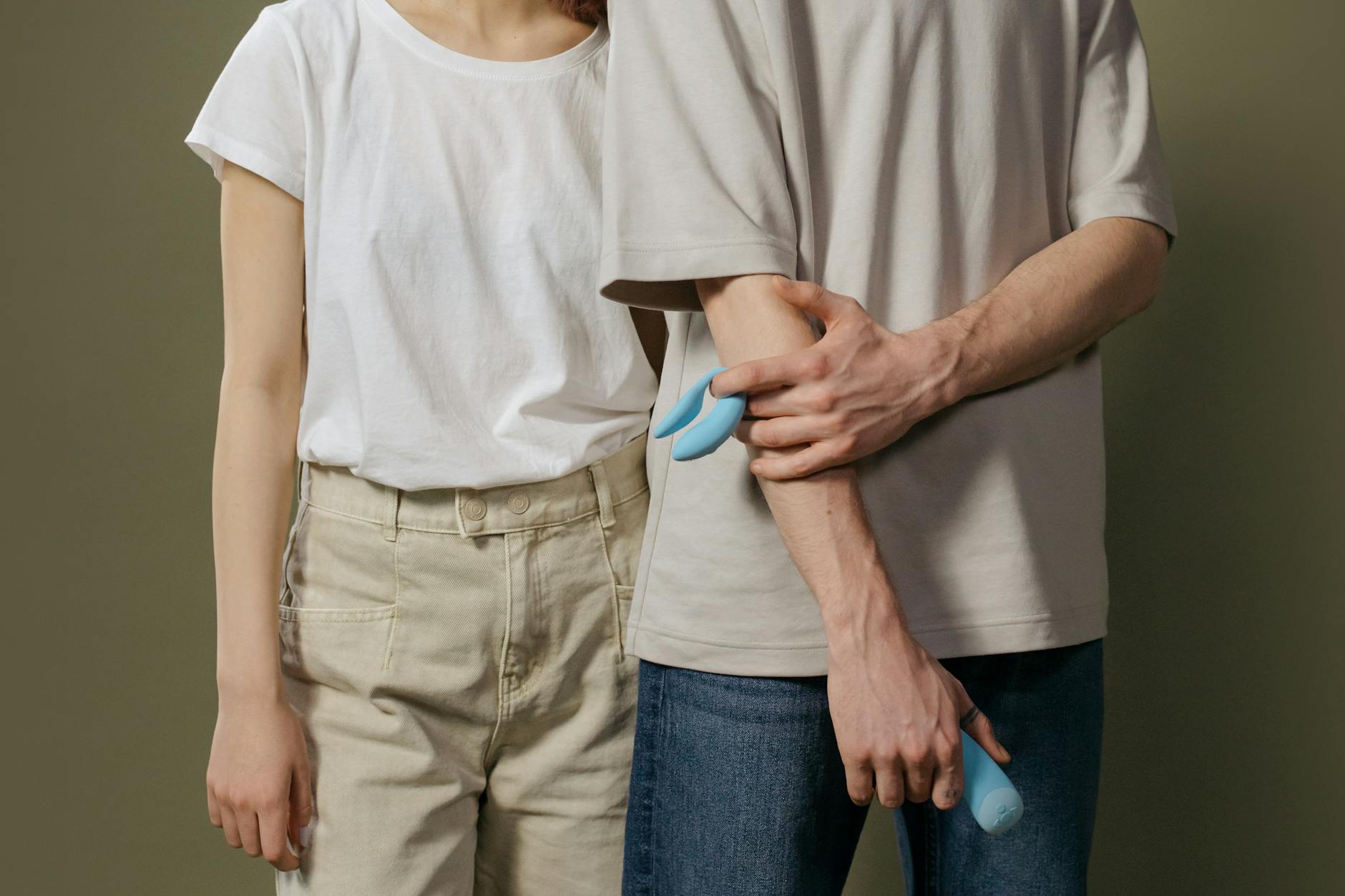
Here's the problem with most vibrators
Friction works. We all know that. But friction isn't the only mechanism that creates pleasure, and for a significant chunk of people, it's actually the wrong tool entirely. Traditional vibrators rely on rapid back-and-forth or circular motion against tissue. This works brilliantly if your clitoris enjoys direct stimulation and your tissue can handle sustained friction. But if your skin is sensitive, if you're post-menopausal, if you have vulvodynia or just naturally low tolerance for direct contact, traditional vibrators range from uncomfortable to genuinely painful.
Enter the lemon vibrator. A lemon clitoral vibrator works on a completely different principle: gentle suction and pulsing. It's not new technology, but Hello Nancy's approach has made it accessible and thoughtfully designed in a way that transforms the experience for people who've given up on vibrators entirely.
What actually happens with suction
When you use a lemon vibrator like the Lem, the silicone cup creates a seal around your clitoris and uses subtle pressure fluctuations to stimulate the nerves without any friction. The clitoris has thousands of nerve endings concentrated in a tiny area. You don't need aggressive motion to activate them. A gentle, pulsing suction pattern can create sensations that range from a soft kiss to an intense, focused build that traditional vibrators simply can't replicate.
The mechanism works because it engages the whole structure of the clitoris, not just the visible glans. This means the stimulation feels broader, less pointed, and often less irritating to sensitive tissue.
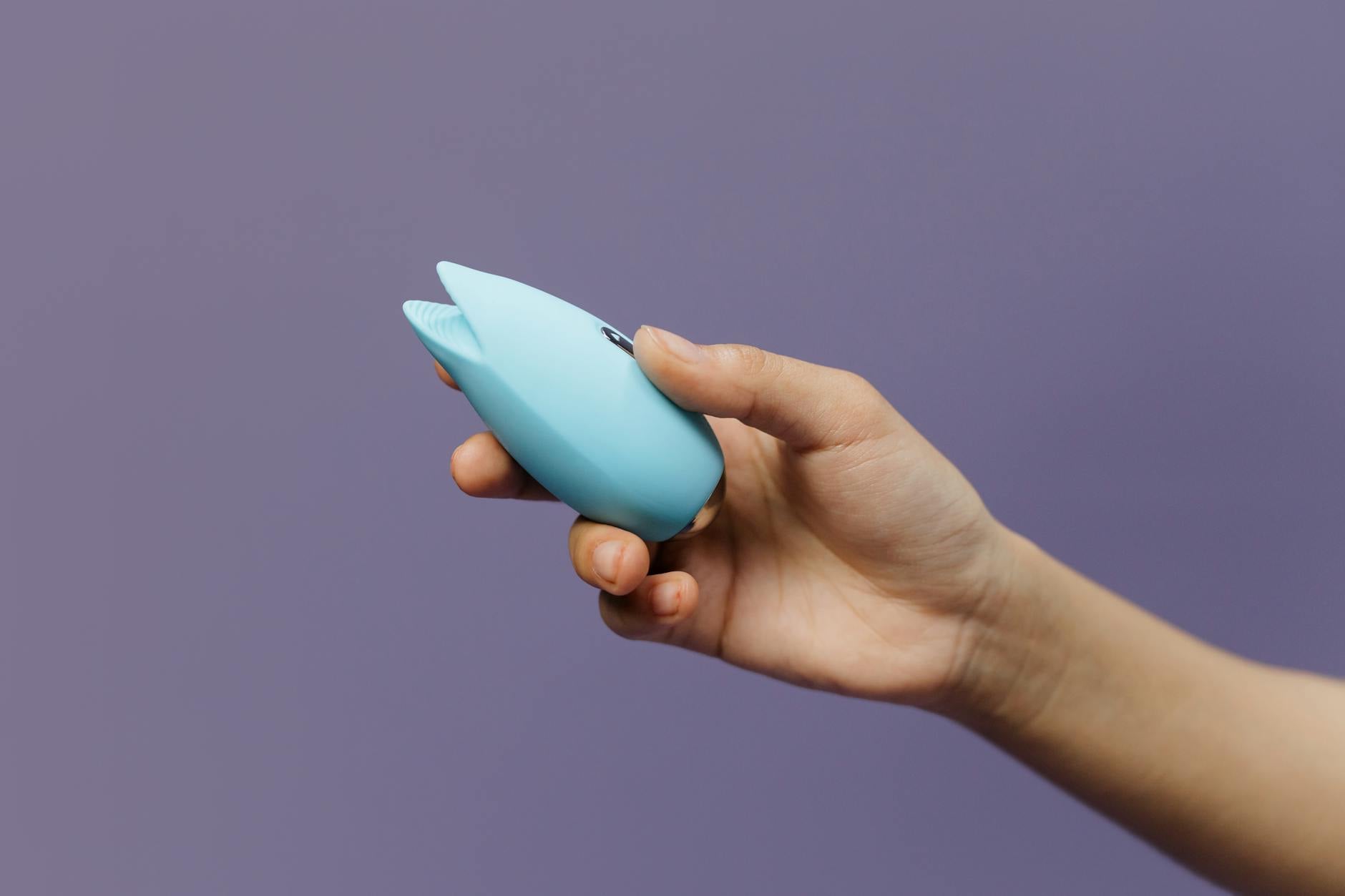
Photo by cottonbro studio on Pexels
Why friction-based vibrators hurt sometimes
The most common reason people abandon vibrators is rawness or soreness after use. This happens because traditional vibrator motion creates repetitive friction against delicate mucous membranes. If you have thin tissue (common after menopause, during hormonal shifts, or naturally), or if your clitoris is highly innervated and reactive, that constant back-and-forth motion triggers inflammation.
Add in the fact that most people press harder thinking "this should be working by now," and you've got a recipe for irritation that lasts hours or even days. Many people then decide vibrators just "aren't for them," when really they just needed a different technology.
Suction avoids this problem entirely. There's no friction. The cup maintains a gentle seal, and the pulsing motion is perpendicular to the tissue rather than across it. For sensitive people, this is the difference between sustainable pleasure and an experience they dread repeating.
Who benefits most from suction vibrators
People with thin or reactive tissue. If you've been told you have thin vulvar tissue, urogenital atrophy, or genitourinary syndrome of menopause (GSM), a lemon vibrator is worth trying before you settle for creams alone. Many people find the suction mechanism gentler and more pleasurable than topical treatments.
Anyone with vulvodynia or vaginismus. These conditions create pain or tension with direct contact. Suction-based stimulation often feels completely different because the mechanism is so different. I've had clients who thought they couldn't use vibrators at all find that the Lem works beautifully.
People on medications that affect tissue health. Antihistamines, certain antidepressants, and blood pressure medications can thin tissue or reduce natural lubrication. A lemon vibrator requires no friction, so medication side effects matter less.
Anyone who finds clitoral vibrators too intense. Not everyone wants concentrated, high-frequency vibration. Some people's nervous systems find that overwhelming or even painful. Suction offers a completely different sensation profile.
The difference in sensation
A traditional vibrator against your clitoris feels like a targeted buzz. It's focused, immediate, sometimes sharp. A lemon vibrator feels more like gentle pressure that pulses. The sensation builds differently, too. With friction vibrators, most people need escalating intensity to reach orgasm. With suction, many people find they can reach high pleasure at lower intensities because the stimulation engages deeper structures.
For partners, this matters too. If you're using a lemon clitoral vibrator with someone, the suction mechanism is quieter, less numbing on your fingers if you're holding it, and often easier to control. Some couples find that suction-based stimulation feels more intimate because the rhythm can be slower and more responsive to feedback.
The lubrication question
Here's where suction has another advantage. A traditional vibrator needs friction to work, so if you're low on natural lubrication, you've got a problem. You add lube, but that changes the feel for both of you, and some lubes break down quickly.
A lemon vibrator creates its own seal regardless of lubrication. You can use a tiny amount of lube or none at all, depending on what feels right. For people managing post-menopausal dryness, this is genuinely freeing. You're not choosing between comfort and sensation.
Comparing intensity settings smartly
Lemon vibrators typically have multiple intensity levels, and the progression feels different than traditional vibrators. Level 1 on a suction device might feel softer than Level 1 on a vibrator, but Level 3 or 4 can create sensations traditional vibrators can't match. If you've used a bullet vibrator set to "medium" and felt nothing, don't assume suction will disappoint. The sensation is different enough that intensity comparisons don't apply directly.
My suggestion: start at Level 1 or 2 with a lemon vibrator. Give yourself 10 minutes before increasing intensity. The sensations build in a different way, and rushing to high settings defeats the point of choosing a gentler mechanism in the first place.
Materials and safety matter
Since lemon vibrators sit directly against sensitive tissue, the material quality matters more than it does with some other devices. Hello Nancy's Lem is medical-grade silicone, which is non-porous and easy to keep clean. If you're sensitive to materials or have had reactions to toys, medical-grade silicone is significantly less likely to cause issues than cheaper alternatives.
Always wash your lemon vibrator with warm water and mild soap before and after use. If you're using it with a partner, wash between partners. For people with sensitive skin, this simple habit prevents most irritation issues.
Real talk on partner use
If you're introducing a lemon vibrator to partnered sex, the conversation shifts slightly from traditional vibrators. Because suction devices are quieter and less visually intense, they sometimes feel less threatening to partners who've had hang-ups about vibrators generally. The sensation also feels different to the receiving partner, which can reduce some of the "am I not enough" anxiety that sometimes comes up.
That said, open conversation before you introduce any toy is always the move. If your partner has concerns, knowing exactly how the device works and how different it is from traditional vibrators can help ease the conversation. Here's a guide on how to talk about lemon vibrators with your partner if you need support framing it.
When friction still makes sense
I don't want to leave you thinking traditional vibrators are obsolete. Some people genuinely prefer them. If you've always loved a bullet vibrator, your tissue is healthy and resilient, and friction feels good, there's no reason to switch. The goal isn't a universal "best" device; it's finding what works for your body.
But if you've been avoiding vibrators because they've hurt before, or if you're post-menopausal and thought your vibrator days were behind you, a lemon clitoral vibrator deserves a real shot. Many of my clients report that it's the first device that's ever worked for them.
The bigger picture
Your pleasure matters, and it deserves tools that actually fit your body, not the other way around. If traditional vibrators have left you sore, numb, or frustrated, that's not a sign you're broken. It's a sign you needed different technology. A lemon vibrator isn't a replacement for intimacy with yourself or a partner. It's a tool that lets you experience pleasure without negotiating with pain or discomfort.
Take time to explore what works. Start slow. Pay attention to what your body is actually telling you, not what you think it should be telling you. And if you're curious about intensity settings and how to use a lemon vibrator effectively, this beginner's guide walks through the practical stuff.
FAQ
Will a lemon vibrator work if I've never been able to use traditional vibrators?
Often, yes. The suction mechanism is different enough that people who haven't responded to friction vibrators sometimes find lemon clitoral vibrators work beautifully. Start at a low intensity and give yourself time to figure out what feels good. If direct clitoral contact has always been painful, even gentle suction might need some adjustment. A tiny amount of water-based lubricant can help.
Is suction less stimulating than vibration?
Not necessarily. They're different sensations. Suction often feels broader and less targeted, which some people find more intense once they adjust. Vibration feels sharper and more focused. Some people prefer suction for building arousal slowly and vibration for finishing. Others are completely the opposite. You'll need to try both mechanisms to know.
Can I use a lemon vibrator if I'm on hormone replacement therapy?
Absolutely. HRT can actually improve tissue health, making vibrators more comfortable overall. If you're in the early stages of HRT and your tissue is still adjusting, a suction-based device might feel gentler than friction during that transition period. The lack of friction means less irritation while your body adapts.
Are lemon suction vibrators quieter than traditional vibrators?
Yes, generally. The suction mechanism is much quieter than the rapid vibration of traditional devices. If noise is a factor in your environment, this is a genuine advantage. However, quieter doesn't mean silent. Some models still produce a soft humming sound.
What's the learning curve for using a lemon vibrator the first time?
Smaller than you'd think. The cup creates a seal, so you're not hunting for the "right" angle like you might with a traditional vibrator. Insert the tip into the cup, let it create a seal, and turn on a low setting. The main learning curve is adjusting to a different sensation, not figuring out how to use it physically.
Can I use a lemon vibrator during penetration with a partner?
Some people do, but it depends on the device and your comfort level. Because many lemon vibrators are handheld, positioning during penetration requires coordination. If you and your partner are interested, check the device dimensions and start by experimenting outside of penetration first. Many couples use clitoral vibrators during foreplay or after, rather than during.
Your body knows what it needs. If friction-based vibrators have never felt right, that's data, not failure. A lemon clitoral vibrator offers a genuine alternative, not just a different brand of the same mechanism. Give it space to surprise you.