Let's start with the real part
You started a new medication. Your pleasure changed. You're wondering if you should stop taking it, or if something's permanently broken inside you. Neither is true, but the conversation between your brain, your body, and your medication is more complicated than most doctors explain it in a fifteen-minute appointment.
Here's what I've seen in my practice over decades of talking with people navigating this exact shift: medication changes sensation, not capacity. That distinction saves lives and orgasms.
What medications actually do to pleasure
Let's break down the three most common culprits.
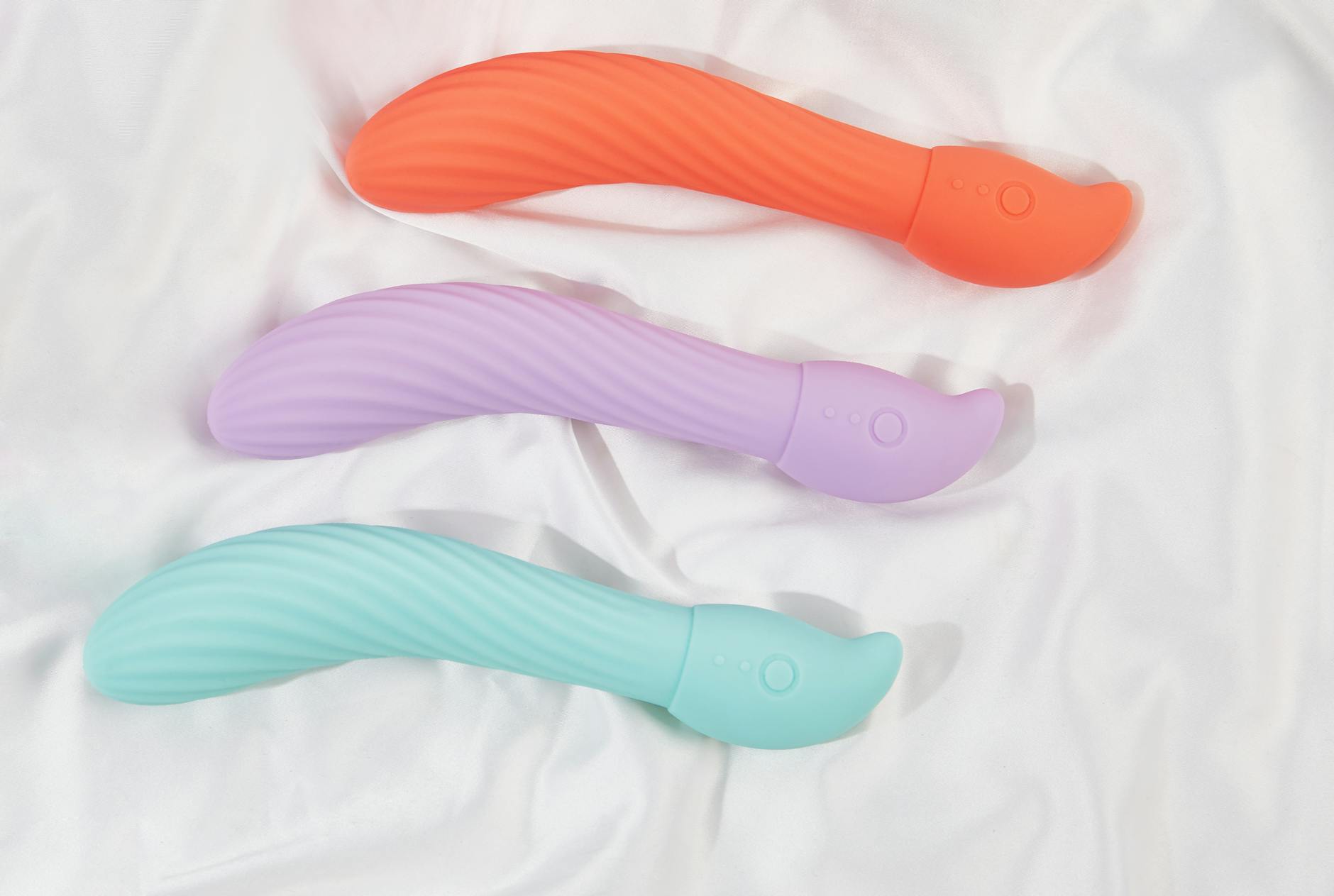
SSRIs and SNRIs (antidepressants). These raise serotonin in your brain, which is great for mood and terrible for genital blood flow in about 40-50% of people who take them. Your clitoris needs blood flow to swell and become sensitive. When serotonin stays elevated, blood vessels constrict slightly. The sensation doesn't disappear. It gets muted. A lemon clitoral vibrator that used to feel electric now feels like a gentle hum. It's still working. Your body's just receiving the signal more quietly.
Blood pressure and heart medications. Beta-blockers and some ACE inhibitors also restrict blood flow by design. That's why you're taking them—to protect your heart. But your clitoris is sensitive tissue that depends on that circulation. You might notice that arousal takes longer to build, and the peak feels less intense.
Hormonal birth control and hormone therapy. These change your baseline testosterone and estrogen. Testosterone drives desire in all bodies. When it dips (which happens for some people on hormonal birth control), the motivation to seek pleasure drops. This is different from numbness. This is your brain saying "meh" when it used to say "yes." The sensation is still there if you start the engine, but the engine wants to stay off.
The difference between numbing and dampening matters
Numbing means you feel nothing. You could touch your clitoris and get zero sensation. That's rare with medication, and when it happens, it usually signals a bigger issue (diabetes, neuropathy, or a medication interaction) that deserves a doctor's attention.
Dampening means the signal is still there, just turned down. Your lemon vibrator still works. Your body still responds. The orgasm is still possible. It just takes longer to build, or feels less urgent, or peaks at a gentler height than it did before.
Most medication-related pleasure changes fall into the dampening category. And dampened pleasure is workable.
How to recalibrate your technique
If you've been using a lemon sucker or lemon vibrator on a certain pattern, and suddenly that pattern feels like almost nothing, here's the practical reset.
First, change your warm-up. If you used to jump to pattern 3 or 4, start at pattern 1 and stay there for 5-10 minutes. Longer warm-up time compensates for slower blood flow. You're coaxing the circulation instead of demanding it.
Second, focus on sensation before stimulation. Spend three minutes just touching your body without the toy. Let your nervous system wake up. Some people with medication-related dampening find that their arousal builds better with manual touch first, then introduce the vibrator once they're already partially aroused.
Third, try layering patterns. Instead of one steady rhythm, some people find that switching between patterns (pulse, wave, steady) every 90 seconds keeps their nervous system engaged. It's like changing the conversation instead of letting it go flat.
Fourth, lengthen your timeline. If orgasm used to take 4-5 minutes and now takes 15, that's not failure. That's the new normal for your body right now. Budget the time. Remove the pressure. Pressure constricts blood vessels even more.
When to loop in your doctor
Your prescriber probably didn't ask about sexual function when they prescribed your medication. They should have. If you're experiencing pleasure changes and they're affecting your quality of life, that's a legitimate medical concern worth raising.
You have options. With SSRIs, your doctor might:
- Adjust the timing of your dose (taking it after sex instead of before, if timing matters)
- Lower the dose if you're on a higher one than you need
- Switch to a different SSRI (some cause less sexual side effects than others)
- Add a second medication that counteracts the dampening
With blood pressure meds, the conversation is trickier because stopping them isn't safe. But some medications have fewer sexual side effects than others. A cardiologist who takes this seriously will work with you on substitutes.
With hormonal birth control, there's actually good evidence that switching formulations helps. If your current pill is killing your desire, a different one might not.
Your medication isn't the enemy of your pleasure. It's a conversation you need to have with the people prescribing it.
What happens in the first weeks is not forever
One thing I tell everyone: the first 2-4 weeks on a new medication are not representative. Your body is adjusting. Blood flow patterns are recalibrating. Nervous system adaptation is ongoing. If you can hang in for a month, pleasure often partially rebounds as your body gets used to the chemical shift.
If you're three months in and still experiencing significant dampening, that's when the conversation with your doctor needs to happen.
The role of mind in pleasure under medication
Here's what doesn't get talked about enough: when sensation dampens, your brain often panics. You interpret the lack of intensity as permanent damage. You stop trying. You avoid sex. You avoid your lemon vibrator because using it becomes a reminder of what's lost.
That's a self-fulfilling prophecy. Avoidance leads to less arousal, which leads to less sensation, which confirms your belief that pleasure is gone.
Breaking that cycle means using your vibrator intentionally, even when the sensation feels muted. Not obsessively. Not forcing it. But gently, curiously, like you're relearning your body instead of mourning the old version.
Many people find that partnered sex or solo sex with a lemon clitoral vibrator actually helps recalibrate faster than avoidance does. There's something about the repeated signal sent to your nervous system that says "we're still here, we still want pleasure" that helps your body keep the doors open.
The conversation with your partner, if you have one
If medication changes are happening in a relationship, your partner needs to know what's real and what's not.
"My antidepressant is making pleasure feel less intense" is very different from "I don't want you anymore." But if you don't explain it, your partner might interpret dampened sensation as dampened desire. That's a relationship problem waiting to happen.
The best couples I know talk about this directly. "My body is responding slower because of my medication. This doesn't mean I don't want you. Here's what helps." And then you show them. You use a lemon vibrator together. You shift the goal from intense orgasm to presence. You rebuild the conversation around pleasure that fits your body right now, not the body you had before medication.
That's not settling. That's adaptation. And honestly, a lot of couples find that slowing down together actually deepens connection.
A note on timing
If you're on SSRIs or SNRIs, some people find that timing the medication matters. Taking your dose right after sex, rather than before, can help. This isn't medical advice (your doctor should weigh in), but it's worth asking about. Some medications have windows where the blood flow impact is slightly less pronounced. Your prescriber might know.
With blood pressure medications, timing usually doesn't help—they work systemically. But asking never hurts.
FAQ: Your medication and pleasure questions answered
Will the pleasure changes go away if I stick with my medication?
Sometimes, yes. Many people report that sexual side effects partially or fully fade after 4-12 weeks as their body adapts. Some experience persistent dampening but learn to work with it. A small percentage find it doesn't improve and need to switch medications. There's no universal timeline, which is frustrating, but most people see some improvement with patience.
Can I take something else to counteract the sexual side effects?
Possibly. For SSRI-related dampening, some doctors prescribe medications like bupropion or buspirone as add-ons because they may help restore sensation. Others recommend brief medication holidays (taking a day off per week), though this isn't standard and needs doctor oversight. Your prescriber has options. You have to ask.
Does this mean I have to choose between mental health and sexual pleasure?
No. It means you might need to have a longer conversation with your doctor about which medication serves you best. If an SSRI is saving your life but dampening pleasure, that's worth the trade-off. But if you're on a medication that's only half-helping your mood and fully killing your sex drive, a different medication might give you both. Don't assume you have to choose.
Is it normal for arousal to take longer after starting new medication?
Yes. Longer warm-up time is one of the most common changes. Budget 15-25 minutes instead of 5-10. This isn't pathological. It's just how your body is signaling right now. The lemon clitoral vibrator still works. You're just using a different entry point into arousal.
Should I switch vibrators if sensation feels different?
Not necessarily. Many people find that their existing lemon sucker or lemon vibrator works fine once they adjust their technique and expectations. That said, if you were already on the edge of wanting to try something different, medication dampening might be the moment to experiment. Different patterns and intensities sometimes feel better on a changed body. Your local Hello Nancy collection has options designed for different types of sensation.
What if my partner thinks the medication side effects are my fault?
They're not. This is a medical effect, not a personal failing. If your partner is blaming you or pressuring you to stop medication to "fix" the sexual side effects, that's a relationship problem that deserves attention separate from the medication conversation. A therapist can help you both get on the same page about what's happening in your body and what it means for your relationship.
The reality
Medication changes pleasure. It doesn't end it. Working with your doctor, adjusting your technique, and giving your body time to adapt works more often than people expect. And when it doesn't work, you have options. Your lemon vibrator still works. You still deserve pleasure. You're just having a different conversation with your body than you were before.
If you're struggling with this shift and need to talk through your options, reach out to Hello Nancy. We're here to help you understand what's happening and how to move forward.