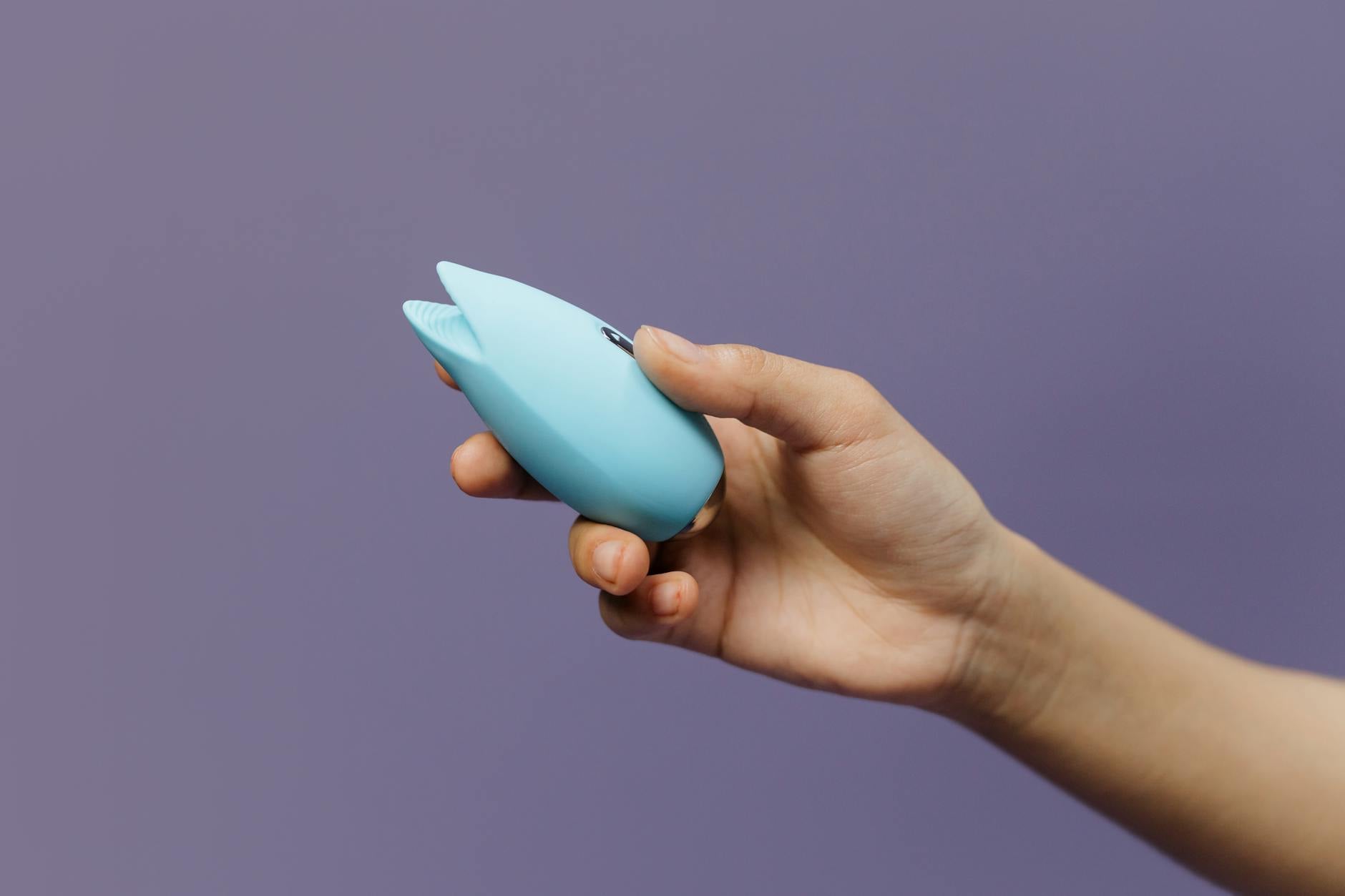
Why Lemon Vibrators Feel Different When Recovering From Sexual Avoidance
When avoidance becomes a pattern
Sexual avoidance doesn't always start with a bang. It sneaks in. Maybe you stopped initiating because you were hurt. Maybe pleasure felt connected to guilt or shame. Maybe a relationship was suffocating, and the easiest way to reclaim power was to shut down desire entirely. Whatever the path, avoidance has a way of calcifying into something deeper than just "not right now."
When you step back from pleasure for months or years, your nervous system learns new rules. Touch feels unfamiliar. Arousal pathways quiet down. Your body literally forgets what it felt like to respond. I work with people in this exact place, and the shift from avoidance back to curiosity is slower, more tender, and more powerful than most people expect.
This is where lemon clitoral vibrators start to make a real difference.
Why sensation feels muted after avoidance
Avoidance is a survival mechanism. Your brain decides that pleasure isn't safe. Maybe it's entangled with betrayal or coercion. Maybe it's tied to a body that you've punished with disconnection. Whatever the reason, your nervous system downregulates arousal to protect you. Nerve sensitivity drops. Blood flow to the genitals becomes sluggish. The brain stops signaling reward when you touch yourself.
Here's what I've seen clinically: the longer the avoidance, the more your clitoris needs stimulation to wake back up. It's not broken. It's just sleeping.
Lemon vibrators work because they provide consistent, targeted pressure that bypasses the cognitive barrier. You don't have to convince yourself to want it. The sensation is so direct that your body responds before your shame gets a vote.
How air-suction stimulation resets the nervous system
Most people think of vibration when they think of sex toys. Lemon clitoral vibrators use air-suction technology, which is a completely different conversation happening in your nervous system.
Here's why that matters: air-suction creates a gentle sucking sensation that stimulates without the mechanical intensity of traditional vibration. For someone returning from avoidance, that difference is crucial. The sensation feels less aggressive, less demanding. It's inviting, not intrusive.
The suction pattern also creates what I think of as "permission building." Instead of feeling like you're doing something to yourself, it feels like something is happening to you. That distinction matters when you're rebuilding trust in pleasure.
Studies on pelvic floor activation show that gentle stimulation (like the kind a lemon vibrator provides) activates the parasympathetic nervous system. That's your rest-and-digest mode. That's the opposite of the fight-flight that avoidance usually triggers.
The emotional barrier is bigger than the physical one
Here's the part nobody talks about: once you've avoided long enough, pleasure comes wrapped in guilt. You might feel disloyal to a partner you've shut out. You might feel like you're betraying the reasons you stepped back in the first place. You might feel selfish.
The guilt is real and legitimate. It's also not a reason to stay numb.
When I recommend lemon vibrators to people in this position, I frame it differently. This isn't about returning to the old pleasure, the one that was complicated or unsafe. This is about discovering what your body wants now, separate from whatever happened before.
Using a vibrator alone is important here. There's no partner to perform for. No one to prove something to. Just you, your body, and a gentle tool that asks nothing but attention.
Rebuilding pleasure after avoidance is an act of radical self-care. It says: I get to feel good, even though I was hurt. That's not selfish. That's healing.
A practical timeline for returning to sensation
If you've been avoiding for 12 months or longer, assume you need 4-8 weeks of regular, gentle exploration before sensation really starts to wake up. That sounds long, but it's actually fast for the nervous system.
Start with short sessions. Five to ten minutes. Use your lemon vibrator on the lowest setting. The point isn't orgasm. The point is learning that touch can feel okay without feeling dangerous.
Many people in recovery from avoidance report that the first few sessions feel numb. That's normal and expected. You're not broken. You're just unfrozen.
By week three, most people notice something shifting. Not always pleasure yet, but curiosity. A "huh, that actually feels interesting" moment. That's enormous. That's your nervous system deciding it might be safe to respond again.
Why orgasm might not be the goal yet
Here's something I tell my clients: if you've been avoiding, your brain might have forgotten what an orgasm feels like. That sounds impossible but it's real. The neural pathways that lead to climax get dusty.
So the first time you use a lemon clitoral vibrator, don't expect fireworks. Expect curiosity. Expect maybe a flutter of sensation. Expect possibly nothing, which is also fine.
The win at this stage is consistency. The win is touching yourself with gentleness instead of punishment. The win is learning that pleasure doesn't have to hurt you.
Orgasm will come back. It always does. But it comes back on your body's timeline, not the calendar's.
When you're ready to involve a partner
If you're recovering from avoidance inside a relationship, the conversation with your partner matters deeply. And it's a separate conversation from the one you're having with your body.
Your partner might feel rejected by the avoidance. That's real and worth addressing. But this isn't the time to use your pleasure rebuilding to earn back their affection. That's transactional, and it won't work.
Instead: "I'm learning how to feel okay in my body again. I'm doing this for me. Once I figure this out, we'll have better sex." That's honest and it's a partnership.
If your partner wants to participate in your rediscovery, the lemon vibrator is actually beautiful for that. You can show them what feels good without the pressure of traditional sex. You can rebuild intimacy through witness and attention instead of performance.
The self-compassion piece that actually changes things
This is the part that therapy can't usually teach in twelve sessions. After months or years of avoidance, your body has absorbed a message: pleasure is not for you. Pleasure is dangerous. Pleasure makes you vulnerable.
Using a lemon vibrator while actively rejecting that message requires sustained self-compassion. It means touching yourself and saying, "I deserve to feel good." It means believing it.
If that feels impossible, start smaller. Just "my body deserves to be touched gently." Just "I'm allowed to explore." Let it build.
Over time, and with consistent, gentle use of the right tool (and a lemon clitoral vibrator is genuinely good at this), your nervous system rewires. The pathways that connected pleasure to shame start to fade. New ones form. The ones that connect pleasure to safety, curiosity, and self-compassion.
That's not magic. That's neuroscience meeting intention.
When to bring in additional support
If avoidance was connected to trauma, work with a trauma-informed therapist. If it was rooted in relationship hurt, consider couples counseling. If it's wrapped up with your body image or shame, somatic therapy helps.
The lemon vibrator isn't a substitute for that work. It's a tool alongside it. It's the thing that helps your body remember that pleasure is possible while your mind is learning it's safe.
FAQ: Recovering from sexual avoidance with lemon vibrators
How long does it take for sensation to return after prolonged avoidance?
Most people notice initial changes within 3-4 weeks of consistent, gentle use. Full sensation recovery usually takes 2-3 months. The nervous system relearns slowly, but it does relearn. Patience matters more than intensity here.
Is it normal to feel nothing the first time I use a lemon vibrator after avoiding?
Completely normal. Your body might be numb as a protection mechanism. Keep going gently. The sensation isn't broken, it's dormant. Consistent, low-pressure stimulation wakes it up.
Can using a lemon vibrator alone help if I'm in a relationship?
Absolutely. Solo exploration actually helps more at first because there's zero pressure to perform or please anyone else. Once you rebuild trust in your own pleasure, partnered intimacy usually follows naturally.
Should I tell my partner I'm using a vibrator to recover from avoidance?
That depends on your relationship's transparency norms. Many couples find that honesty here builds deeper trust. Something like, "I'm working on reconnecting with my body. I'd like some privacy for that." is usually enough.
What if I've avoided for years? Is it too late?
No. The human nervous system is remarkably plastic. People reconnect with pleasure after decades of avoidance. It takes patience and gentleness, but it's absolutely possible. A lemon clitoral vibrator can be part of that rewiring.
Does orgasm feel different when you're recovering from avoidance?
Yes, often. After avoidance, orgasms might feel softer or more localized. That's not worse. That's just your body's baseline resetting. Sensation usually deepens again over time as you keep exploring.
Coming back to pleasure is coming home to yourself
Sexual avoidance is protective. It kept you safe when you needed to be safe. Now you're ready for something different.
Using a lemon vibrator to rebuild sensation isn't indulgent. It's reclamation. It's saying to your nervous system, "I'm ready to trust pleasure again." It's slow work. It's tender. It's also some of the most important healing you can do.
If you're in this space and ready to start, give yourself permission to move slowly. Feel what you feel, and feel fine with feeling nothing for a while too. Your body knows how to come back. You just have to give it the right tools and the time.
If you're struggling with where to start, or if avoidance is tied to something deeper, reach out. Recovery from sexual disconnection is deeply individual. You don't have to figure it out alone.