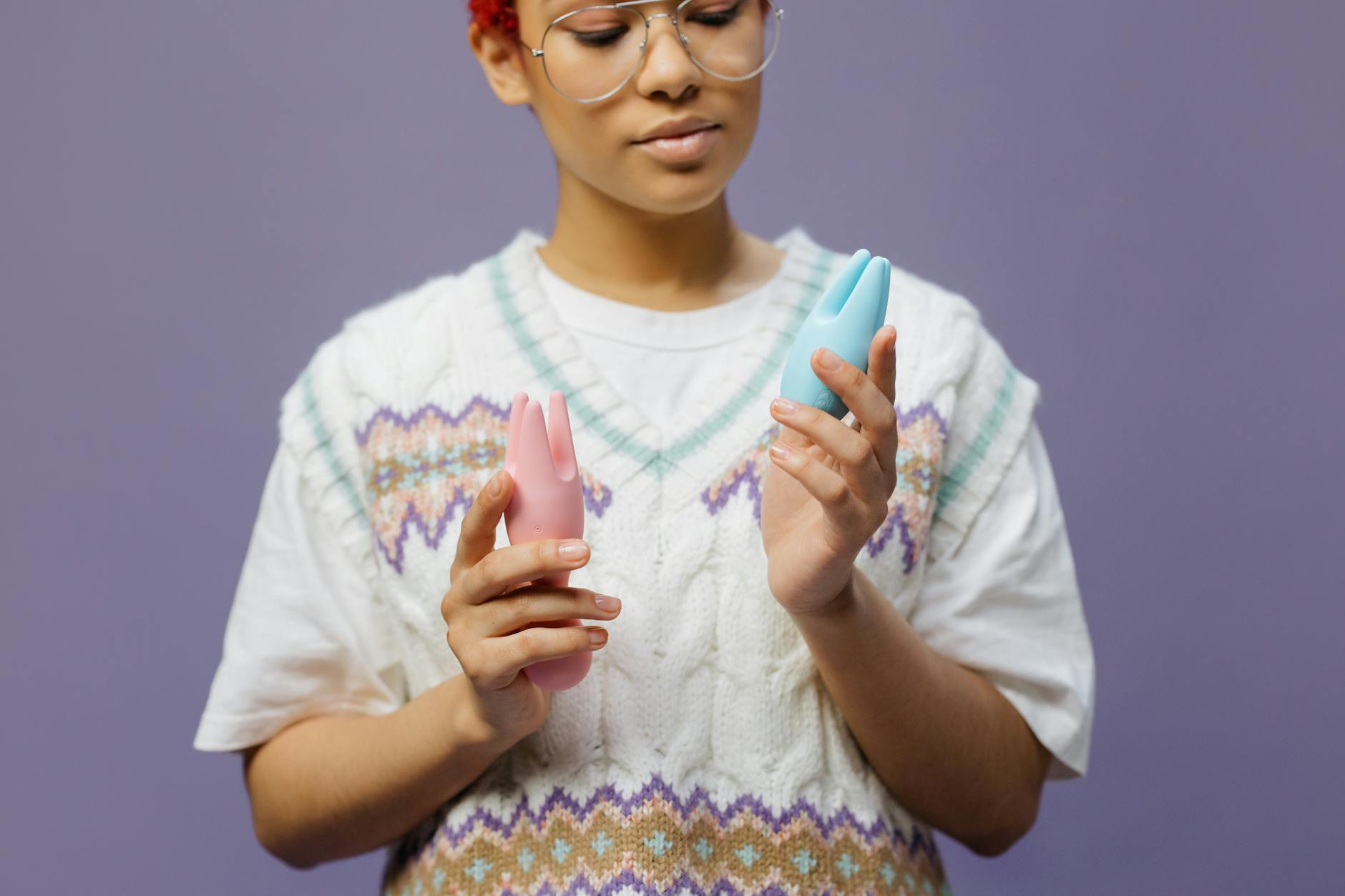
Here's what your doctor probably didn't mention
Antidepressants save lives. They also change how pleasure works. Not in a moral way, not in a "you should just push through it" way. In a concrete, neurochemical way that shows up in your body during sex. Most people don't get a heads-up about this side effect until they're already months in, wondering if something's broken.
It isn't. Your brain chemistry shifted. That's all.
Why antidepressants mess with sensation
SSRIs (selective serotonin reuptake inhibitors like sertraline or paroxetine) and SNRIs (serotonin-norepinephrine reuptake inhibitors) work by increasing serotonin availability in your brain. Serotonin is great for mood. It's also involved in the chain reaction that leads to orgasm. When you nudge serotonin levels up to treat depression or anxiety, the same nudge can slow down arousal, delay or completely block orgasm, and sometimes flatten sensation so that touch feels distant.
It's not psychological. It's pharmacological. Your brain literally processes sensation differently when serotonin levels rise. The neural pathways that create pleasure still exist. They're just running on a different current.
What changes and what doesn't
Many people report that on antidepressants, arousal takes longer to build. Touch that used to spark something immediate now needs 10, 15, sometimes 20 extra minutes of consistent stimulation. For some, orgasm becomes harder to reach. For others, it's reachable but feels muted or delayed. A few people lose orgasm entirely on certain medications.
What doesn't change: your capacity to feel pleasure, your ability to be aroused at all, or your right to want what you want. This is important because the internal narrative people build around antidepressant-related sensation loss is often "this is my new baseline and I just have to accept it." Sometimes you do. Often, you don't.
Why lemon vibrators work better when sensation is muted
Here's the practical part. Lemon clitoral vibrators use air-pulse suction technology instead of pure vibration. Suction stimulates a broader, deeper network of nerve endings than direct vibration does. When serotonin medication flattens sensation, that broader stimulus pattern cuts through the noise in a way a traditional vibrator often can't.
The Lem and other lemon sexual toys work by creating rhythmic pressure changes that feel less like buzzing against your skin and more like a persistent, building intensity. For someone whose touch sensitivity has become muted, that consistent pressure-release pattern often breaks through where lighter, faster vibration gets lost.
I've worked with dozens of people on SSRIs and SNRIs, and the pattern is consistent: standard vibrators feel like background noise. Air-pulse devices like lemon vibrators feel like they're actually reaching something.
The intensity-and-patience adjustment
When you're on antidepressants and using any clitoral vibrator, start at a lower intensity than you might expect. Not because you've become delicate. Because muted sensation makes it easy to over-stimulate without realizing it. If you go straight to the strongest setting on your lemon vibrator, you can end up fatiguing the nerves without building that chain reaction toward orgasm.
Instead, start at pattern 1 or 2. Spend 5-10 minutes there. Let your body wake up to the sensation. Then move to pattern 3. Then 4. The goal is to let arousal build gradually instead of shocking your system into sensation overload.
Patience isn't romantic. It's practical. When your neurochemistry has shifted, gradual intensity works better than jumping straight to maximum.
Timing matters more than you think
When you take your antidepressant affects how your body responds during sex. Most SSRIs and SNRIs reach peak blood levels 4 to 8 hours after you take them. If you take your medication in the morning, late afternoon and evening are often when sensation is most noticeably flattened.
If you have flexibility, sex earlier in the day sometimes feels different. Sensation might be slightly sharper, arousal might build a bit faster. This isn't true for everyone. Some people see no difference across the day. But if you've been struggling with sensation loss, timing is worth experimenting with before you assume the medication is simply incompatible with pleasure.
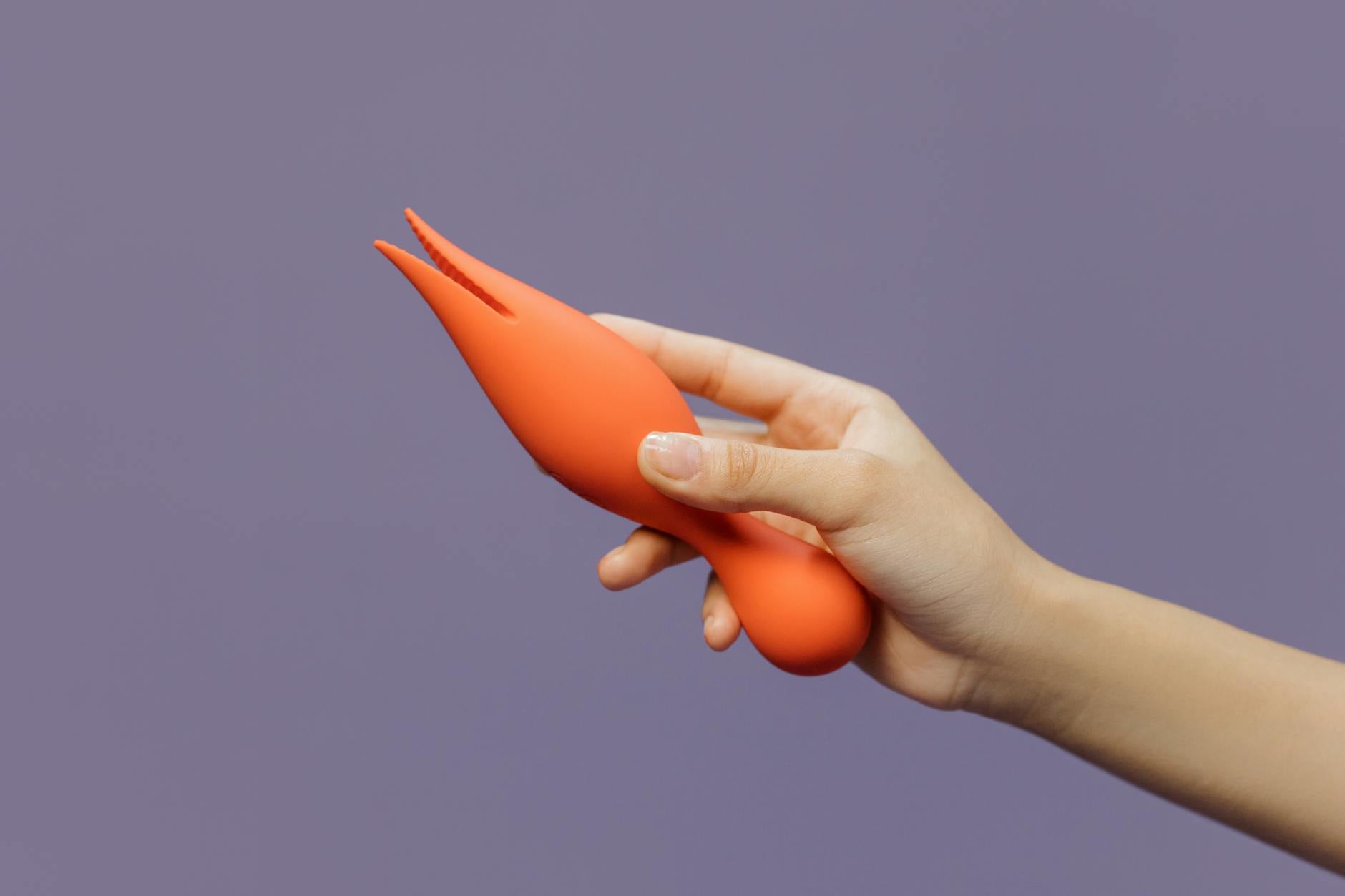
Photo by cottonbro studio on Pexels
When to talk to your prescriber
If antidepressant-related sensation loss is genuinely affecting your quality of life and you've given it 8 to 12 weeks to stabilize, bring it up. This is worth mentioning because your doctor has options.
Some antidepressants are less likely to cause sexual side effects. Bupropion (Wellbutrin), for instance, often leaves sexual function intact. Mirtazapine sometimes has fewer arousal issues. Your prescriber might adjust your dose, change the timing of when you take it, or switch medications entirely.
Don't suffer in silence hoping it will pass. Sometimes it does. Often it doesn't. And most medications have alternatives that work just as well for mood but feel better in your body.
Adding tools instead of replacing medication
Here's what I tell people: if the antidepressant is working for your mental health, don't stop taking it. Instead, add tools that work with your new neurochemistry.
A lemon clitoral vibrator is one tool. Better communication with your partner about what you're experiencing is another. Longer foreplay. Different positions that create different pressure patterns. Sometimes partnered sex feels completely different from solo sex when you're on SSRIs. Worth exploring.
The goal isn't to "fix" your body back to how it was. It's to work with what you actually have right now and find what creates pleasure within that reality.
The longer conversation about desire
Sometimes what feels like sensation loss is actually desire loss. SSRIs don't just affect the physical mechanics of arousal. They can also lower libido itself. You might find that you're less interested in sex overall, not just that sensation feels muted when you do have sex.
If that's happening, the solution isn't forcing yourself to use a lemon vibrator. It's having a real conversation with your prescriber about whether your current medication is the right fit long-term. Desire is part of pleasure. Sensation is part of pleasure. Both matter.
For some people, adding a lemon sexual toy helps rekindle interest because the sensation itself becomes more reliably pleasurable. For others, the issue is deeper and needs a medication adjustment. Neither answer is wrong.
What you deserve
Antidepressants are valuable. So is pleasure. You don't have to choose between treating your mental health and having a sexual life. Some antidepressants make that easier than others. Some tools like air-pulse lemon vibrators make it more achievable. But none of it is a trade-off you have to accept passively.
Your sensation matters. Your desire matters. Work with your doctor, experiment with tools like lemon clitoral vibrators, and give yourself permission to rebuild pleasure on whatever terms work for your medicated brain. You're not broken. You're just different than you were.
People also ask
Do all antidepressants cause sexual side effects?
Not all, but most SSRIs and SNRIs affect sexual function in some way. Bupropion (Wellbutrin) is known for having fewer sexual side effects than other antidepressants. Some people also experience sexual side effects from tricyclic antidepressants or MAOIs. The intensity varies wildly. You might have no side effects, mild ones, or severe ones. Individual responses are unpredictable, which is why talking to your prescriber about your specific experience matters.
How long does it take for antidepressant sexual side effects to appear?
Sexual side effects usually appear within the first 1 to 2 weeks of starting an antidepressant or increasing the dose, though for some people they emerge more gradually over 4 to 6 weeks. The good news is that some people experience improvement over time. The challenging news is that others don't. If you're still experiencing significant side effects after 8 to 12 weeks, that's a conversation to have with your doctor rather than something to wait out indefinitely.
Can lemon vibrators help with antidepressant-related orgasm delay?
Yes, for many people. Lemon sexual toys like air-pulse vibrators stimulate a broader nerve network than standard vibrators, which helps when serotonin medication has flattened sensation. The key is starting at a lower intensity and giving yourself time to build arousal gradually. Some people find orgasm becomes reachable again with air-pulse devices. Others find it's possible but simply takes longer. Either way, they often feel more effective than traditional vibrators for people on SSRIs or SNRIs.
Should I stop taking my antidepressant if it's affecting my sex life?
No. Stopping an antidepressant without your doctor's guidance can be unsafe. Depression and anxiety themselves affect sexual function. Often when people stop antidepressants to fix sexual side effects, both the sexual problems and the mental health problems return. Instead, talk to your prescriber about adjusting your dose, changing timing, switching to a different antidepressant, or adding strategies like lemon vibrators. There are almost always options that don't involve stopping medication that's keeping you stable.
How is sensation loss from antidepressants different from other causes of numbness during sex?
Antidepressant-related numbness is usually fairly consistent and doesn't change much from day to day (except around timing of medication). Sensation loss from pelvic floor tension, hormonal changes, or other causes often fluctuates more. If you're on an antidepressant and notice a sharp change in sensation coinciding with starting or changing your dose, that's likely the medication. If sensation has been gradually declining over months or years unrelated to medication changes, that suggests something else. Your doctor or a pelvic physical therapist can help sort this out.
What if I've tried a lemon vibrator and it still doesn't help?
That's important information. It might mean the antidepressant dose needs adjusting, or the medication itself isn't the right fit. It might mean there's another factor at play, like pelvic floor tension or relationship stress, that's also contributing. It might mean your particular neurochemistry just doesn't respond well to air-pulse devices specifically. If lemon vibrators haven't helped after a genuine trial period of 4 to 6 weeks at different intensities and times, that's worth bringing back to your prescriber as part of a broader conversation about whether your medication regimen is working well for your overall quality of life.
If you're on an antidepressant and struggling with sensation loss, you're not alone. And it's not something you have to white-knuckle through. The right combination of medication adjustment, communication, and tools designed for your current neurochemistry can make pleasure feel available again. Get in touch if you want to talk through what's happening or need guidance on next steps.