Let's start with what actually happens
You get a hormonal IUD inserted. Within days or weeks, you notice that your lemon vibrator, your favorite clitoral vibrator, feels noticeably more intense. The same pattern, the same intensity level you've used for years now feels almost aggressive. That's not placebo. That's not psychological. That's your body's chemistry actually shifting, and your clitoral sensitivity responding in real time.
Here's the thing nobody explains clearly: a hormonal IUD doesn't numb you. It doesn't reduce your capacity for pleasure. What it does do is fundamentally change the hormonal environment around your clitoris, and that changes how electrical signals fire in the nerve endings there. It's a real physiological shift. And understanding it means the difference between thinking your body is broken and knowing exactly how to use tools like the Lem to keep pleasure accessible.
How hormonal IUDs affect clitoral sensitivity
Most hormonal IUDs release a synthetic progestin directly into the uterine cavity. Some of that progestin enters your bloodstream, which means your estrogen and testosterone levels shift, albeit less dramatically than with hormonal birth control pills. But here's what's crucial: the local hormonal environment in your pelvic floor, your vulva, and the nerve clusters around your clitoris changes too.
Estrogen keeps tissue plump and responsive. It helps maintain the delicate balance of nerve sensitivity. When estrogen dips, even slightly, the tissue around your clitoris can become more reactive, more easily stimulated. That sounds like a good thing until you're using the same vibration pattern you've always used and it suddenly feels like it's vibrating straight through you.
At the same time, some people experience an uptick in progesterone effects: slightly more tension in the pelvic floor, a shift in how the clitoral hood sits, changes in natural lubrication. These aren't huge changes for everyone, but they're real. And they compound the sensation shift.
The weird part? This heightened sensitivity often feels stronger or more intense than your pre-IUD baseline, even though in some cases it's actually a sign of tissue becoming slightly more reactive, not necessarily more aroused.
Why lemon vibrators feel different after insertion
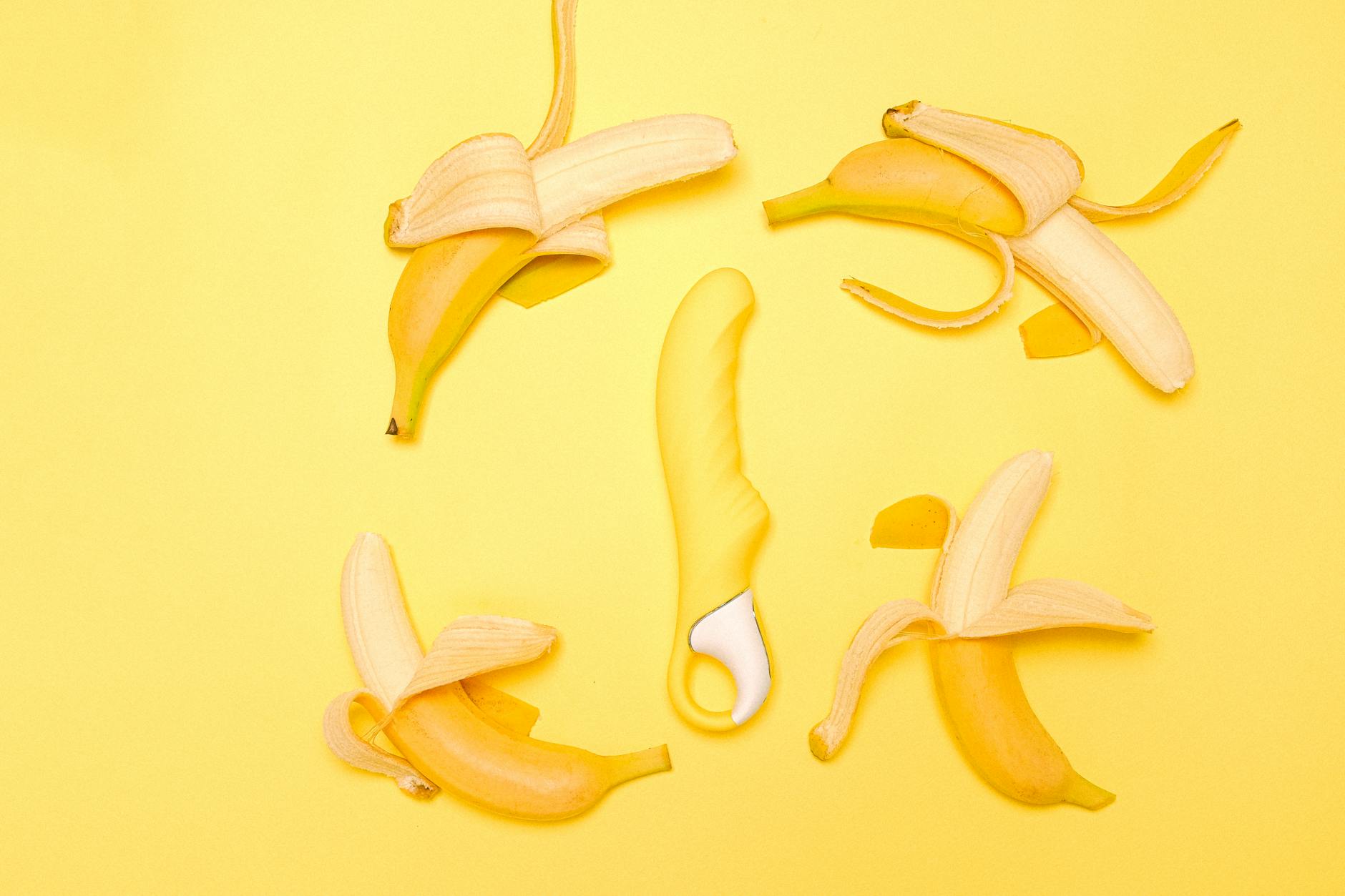
Lemon adult toys use suction technology instead of pure vibration. This matters more than you'd think. Suction doesn't rely on the same pressure-based stimulation as a traditional vibrator. Instead, it creates a gentle pulse that mimics oral sex, drawing blood into the area rather than forcing stimulation through friction.
After a hormonal IUD insertion, when your clitoral tissue is more reactive, suction-based stimulation from a lemon clitoral vibrator can feel dramatically more intense because it's not relying on abrasion or constant contact. It's working with the increased blood flow and heightened nerve reactivity instead of fighting through it.
Many people report that patterns they couldn't tolerate before the IUD became their new favorite. Pattern 2 suddenly feels like pattern 5 used to feel. That's not because the toy changed. It's because your baseline sensitivity shifted, and a tool designed for gentle stimulation now feels perfectly calibrated to your new body.
This is actually why lemon sexual toys can be so useful during this transition. The intensity is easier to modulate. You can start lower and build up. You're not stuck choosing between too soft and way too much.
The first month adjustment period
Insertion itself is a trauma to the system, even if it's a small one. Your uterus is contracting for days afterward. Your nervous system is a little activated. Your pelvic floor might be tender. In this window, most people find that even their usual lemon vibrator feels intense or uncomfortable.
Then, after about two weeks, something shifts. The acute cramping and tenderness ease up. Your body settles into the presence of the IUD. And that's when the sensitivity change becomes obvious. The heightened reactivity isn't temporary inflammation anymore. It's your new baseline.
I usually recommend waiting the full month before deciding whether your usual patterns still work. In that first two weeks, everything feels weird and potentially painful. By week three or four, you'll have a clearer sense of where your actual new baseline is.
When you do reintroduce your lemon vibrator, start at pattern 1 or 2. Spend longer with gentler stimulation. If you usually jump straight to pattern 5, that instinct will probably make you wince now.
Lubrication changes and what they mean
Hormonal IUDs often change vaginal lubrication. Sometimes they reduce it slightly (hello, personal lubricant). Sometimes they change the viscosity. The cervical mucus usually shifts too. Your vagina becomes a slightly different environment.
For clitoral play specifically, this usually means you want more external lubrication than before. Even if you never needed it before the IUD, a water-based lubricant suddenly becomes useful. Not because something is wrong with you, but because the tissue around your clitoris benefits from that glide when your body's natural lubrication pattern has shifted.
This is one reason lemon suction toys can feel more comfortable than traditional vibrators in this window. They're less dependent on abundant natural lubrication. They create their own micro-environment. A tiny bit of external lube and you're good.
When heightened sensitivity is actually a sign of something else
Not every intensity shift after IUD insertion is just tissue reactivity. Sometimes it's pelvic floor tension. Sometimes it's vascular changes. And sometimes, if the heightened sensation is accompanied by pain, numbness, or a feeling of electrical shooting, that's worth mentioning to your doctor.
Most of the time, increased clitoral sensitivity after IUD insertion is benign. Your body is adapting. Your nerves are responding differently to the same stimulation. But if the sensitivity feels sharp, if it's accompanied by pain during other activities, or if it's not settling down after a month or two, get it checked out.
Pelvic floor physical therapy can be genuinely helpful in this window. A PT can assess whether your pelvic floor is holding tension as a response to the IUD, and if so, help you retrain those muscles to relax more fully. That alone can make a huge difference in how tools like lemon clitoral vibrators feel.
Recalibrating your pleasure routine
Here's the practical stuff. You have a few options after hormonal IUD insertion:
Option 1: Start lower and build gradually. Use pattern 1 for longer stretches. Work your way up to higher patterns only if you want to. Many people find they prefer lower patterns now and never go back. That's fine. There's no right intensity level.
Option 2: Switch to a different toy entirely. If your lemon vibrator feels like overkill, a smaller clitoral vibrator might feel more calibrated. Get Lemon Vibrators makes smaller tools that offer that same suction technology in a less intense package.
Option 3: Use it the same way but accept that it'll feel stronger. Some people just lean into the fact that their sensitivity has increased and enjoy it. No shame in that. Just go slower and check in with yourself.
One thing I recommend to almost everyone: don't assume the change is permanent. Your body continues to adjust for three to six months after IUD insertion. What feels unbearably intense at week two might feel perfectly manageable at week eight. Give yourself permission to revisit your baseline regularly.
Communication if you have a partner
If you're partnered, this sensation shift affects shared pleasure too. Your partner might notice that your clitoris feels more reactive to their touch. That's normal. It doesn't mean anything has changed about your desire or your body's capacity for pleasure. It just means recalibration happens here too.
The clearest thing you can do is separate the conversation from the pleasure itself. "My body is responding differently to touch" is different from "I don't want you to touch me." Confusing them makes everything harder.
If partnered play feels different and you're not sure why, bring a lemon vibrator into the mix. It gives you both something to focus on that's external, less fraught, and easier to control. You can explore together without it being about what your partner is or isn't doing right.
FAQs
Does heightened clitoral sensitivity after IUD insertion mean something is wrong?
No. Increased sensitivity is a normal response to hormonal changes after insertion. Your tissue is reacting to shifts in estrogen and progesterone. As long as it's not painful and it's not accompanied by other concerning symptoms, it's just your body adjusting. Most people find their sensitivity stabilizes within four to eight weeks.
Can I use my regular vibrator immediately after IUD insertion?
Not usually. Wait at least two weeks, ideally a full month. The first two weeks involve cramping, tenderness, and inflammation. Even toys you love can feel uncomfortable during this window. After a month, when your body has settled into the IUD's presence, you'll have a much clearer sense of how your sensitivity has actually shifted.
Will my sensitivity ever go back to normal?
Your new normal is normal. Some people's sensitivity settles into a middle ground between pre-IUD and the intense first month. Some people stay more sensitive than they were before. And some people find that after a year or more, things gradually shift again. There's no "back." There's just your body adapting to its current environment.
Are lemon vibrators better than other vibrators after IUD insertion?
For many people, yes. The suction mechanism means you have more control over intensity and it's easier to start gentle and build. But everyone's different. Some people find that the increased sensitivity makes them prefer smaller vibrators or lower vibration patterns, regardless of the toy type. Experiment. What works for your friend might not be your thing, and that's okay.
Should I tell my doctor about heightened clitoral sensitivity after my IUD?
If it's not painful and not accompanied by numbness or sharp sensations, you don't have to. But if you're worried, or if it's persistent and bothersome, mentioning it at your follow-up appointment is fine. Doctors are used to these conversations. They can help you figure out whether it's straightforward sensitivity shift or something worth investigating further.
How long does it take to adjust to the sensitivity change?
Most people find that the acute adjustment window is four to eight weeks. But some people continue adjusting for three to six months after insertion. The good news is that you're not stuck with one sensitivity level. You can reassess every few weeks and adjust your approach as your body continues to settle.
The bottom line
Your hormonal IUD is changing the chemistry around your clitoris. That changes how sensitive your nerve endings are. That changes how your favorite lemon vibrator feels. None of that is a problem. It's just your body adapting to a new hormonal reality. The key is giving yourself permission to recalibrate, start lower than you think you need to, and check in with yourself regularly as your body continues to adjust.
If you want to talk through how your body is changing and what tools might work best for your new baseline, we're here to help.