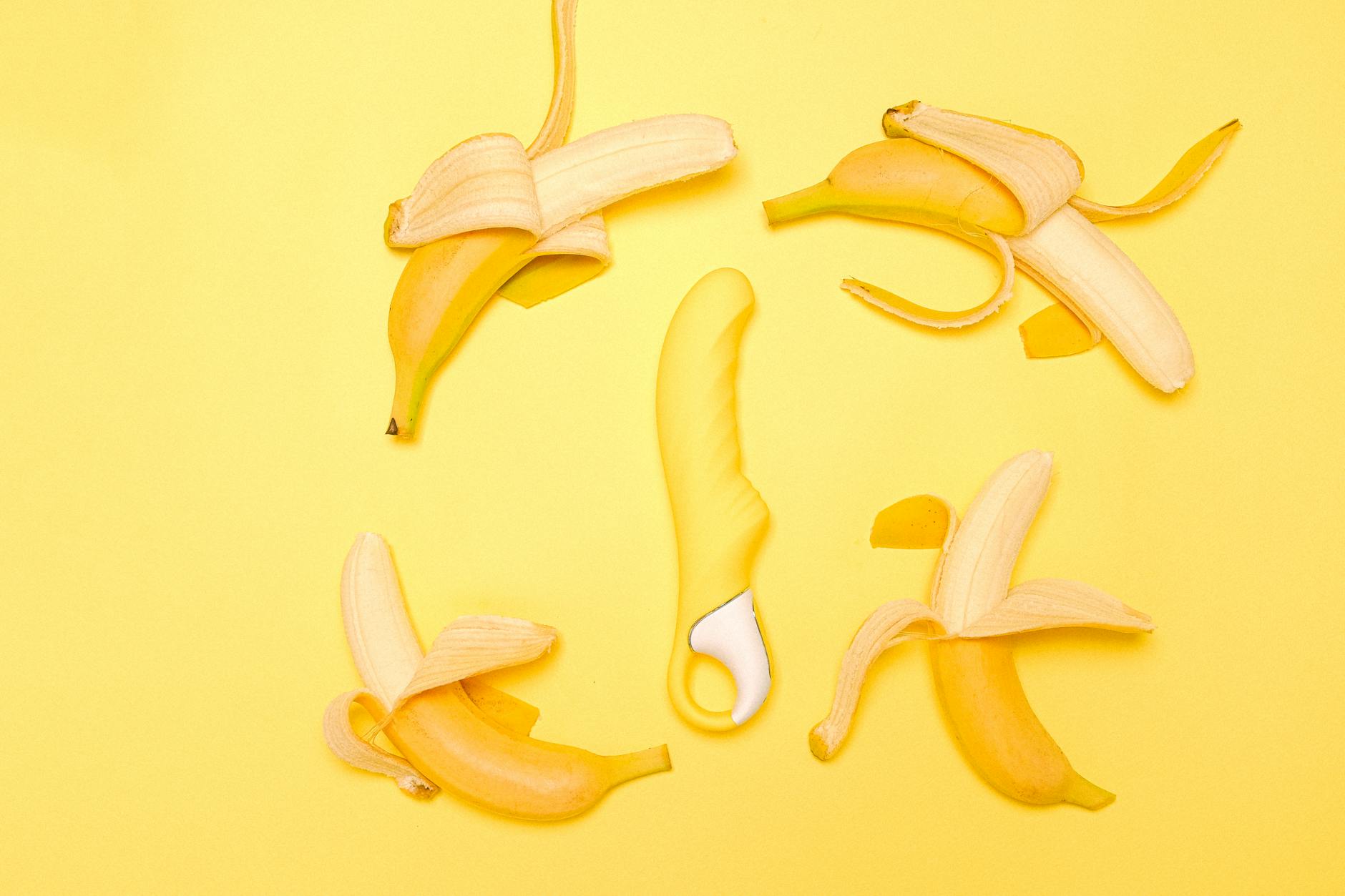
Let's talk about the part nobody prepares you for
Pelvic floor surgery, prolapse repair, or serious perineal tearing during childbirth changes your body's physical landscape. Your surgeon did incredible work. Your body is healing. And at some point, you're going to want your intimate life back. The question nobody answers clearly: how do you get there safely?
Here's the thing. Most traditional vibrators assume your tissue can handle direct, repetitive friction. After pelvic floor surgery, that's exactly what you don't want. Enter lemon vibrators. Unlike conventional vibrators, lemon clitoral vibrators use suction-based stimulation, which applies gentler, more dispersed pressure across a wider surface area. That distinction matters enormously during recovery.
I've worked with dozens of people navigating this transition, and the pattern is always the same. They try their old vibrator. It feels too intense, or it triggers phantom pain, or it just doesn't feel right. Then they try a suction-based approach and suddenly things click. Let's break down why.
How pelvic floor surgery changes sensation and sensitivity
When you have pelvic floor repair, prolapse surgery, or significant perineal reconstruction, surgeons are working with delicate tissue. They're reinforcing fascia, repositioning organs, sometimes creating new support structures. The tissue swelling and inflammation can last weeks. Scar tissue forms. Nerves that were disrupted start reconnecting.
This means your tissue is literally not the same as it was before. It's sensitized. The nerve pathways are rerouting. The threshold for what feels good versus what feels painful is narrower. Traditional vibrators with their high-frequency buzzing and concentrated contact point can feel overwhelming, even painful, during this phase.
What changes is not your capacity for pleasure. It's the pathway to get there. Your clitoris still has the same nerve density. Your brain still processes arousal the same way. What's different is the tissue surrounding those nerves is healing, and it needs a different kind of stimulus to feel good.
Why suction-based stimulation is gentler on healing tissue
Suction works differently from vibration at a mechanical level. Instead of rapid back-and-forth movement against tissue, suction creates a gentle pull. This distributes pressure across a wider surface area rather than concentrating it in one spot. Think of the difference between someone tapping you repeatedly on one finger versus gently holding your whole hand.
For people recovering from pelvic floor surgery, this matters because.
First, suction doesn't require the same level of direct friction. Your healing tissue gets stimulation without the mechanical stress of repetitive motion against sensitive, reconstructed areas.
Second, you can control intensity more granularly. A lemon vibrator's suction patterns typically start very gentle. You're not choosing between off and intense. You're choosing between subtle, medium, or stronger. That precision helps you stay in the therapeutic zone without accidentally triggering pain or inflammation.
Third, suction-based devices like the Lemon tend to sit comfortably at the clitoris without requiring pressure or positioning adjustments. You don't have to hold it at a specific angle or press it firmly to feel sensation. The suction does the work.
Timeline for reintroducing intimacy and stimulation
Your surgeon will have given you a clearance date. Usually that's 6-8 weeks post-op for penetrative activity. But stimulation timing is different from penetration clearance. Here's how I typically see it play out:
Weeks 1-4: Rest. No deliberate stimulation. Your body is in acute healing mode. Inflammation is high. Scar tissue is forming. This is not the time.
Weeks 4-6: You might feel the first twinges of arousal. You might touch yourself gently. This is fine. But intensive stimulation still risks triggering inflammation. It's not worth it.
Weeks 6-8: This is usually when surgical clearance comes through. Your tissue has stabilized. Swelling is down. Scar tissue is forming but still flexible. This is when reintroduction makes sense. And this is when choosing the right tool becomes critical.
Weeks 8 onward: You're building back normal sensation and response. Starting with gentler stimulation and gradually working toward what feels good.
The exact timeline depends on the surgery. Prolapse repair that didn't involve major reconstruction can clear earlier. Perineal reconstruction after severe tearing or extensive surgical repair might need longer. Ask your surgeon specifically, not just "when can I have sex" but "when can I use gentle external stimulation."
Starting with a lemon vibrator after clearance
Once you have clearance, here's the practical protocol.
Choose the gentlest setting available. Most lemon clitoral vibrators have 5-10 intensity levels. Start at level 1 or 2. The impulse is to jump to the intensity you used before surgery. Don't. Your tissue has literally changed. What felt normal before might feel too intense now.
Use it externally only initially. Even though penetration might be cleared, keep stimulation on the external clitoris for the first several sessions. Your vaginal opening and perineal area are still vulnerable, even if they're healed. External clitoral stimulation with a gentle lemon vibrator isolates the stimulus where you want it.
Keep sessions short. Fifteen minutes is plenty. You're not chasing an orgasm yet. You're reacquainting your nervous system with pleasure. If you feel any pinching, burning, or phantom pain, stop immediately. That's your body's signal that this intensity or duration isn't ready yet.
Pace increases gradually. After a few sessions at level 2 with no pain or increased inflammation, try level 3. After a week, if everything feels stable, level 4. You're building back, not rushing.
This is radically different from the mindset of using a vibrator before surgery. You're not performance-oriented. You're rehabilitating. The goal is reconnection and sensation, not necessarily orgasm.
What to watch for that means you need to slow down
Three warning signs mean you've pushed too far too fast.
Increased pelvic floor tension or cramping after use. Your pelvic floor is already sensitized. If stimulation triggers significant tension, you've activated the guarding reflex. Back off intensity and duration.
Increased swelling or heaviness in the pelvic area the next day. This means inflammation spiked. Your tissue is telling you it's not ready for that stimulus yet. Return to previous intensity and wait longer before increasing again.
Pain that radiates or feels sharp, not just pressure or intensity. This is different from the sensation of gradually building arousal. Sharp or radiating pain often signals you've triggered scar tissue irritation or hit a spot that's still vulnerable. Stop and give it more recovery time.
None of this is failure. Recovery from pelvic floor surgery is not linear. Some days your tissue tolerates more. Other days it's more sensitive. Honoring that variability is not weakness. It's wisdom.
Why partner communication matters during this phase
If you have a partner, this transition is happening in relationship too. They might be anxious about hurting you. You might be anxious about whether things will ever feel normal again. Those anxieties live in the same conversation as the physical reintegration, and they need separate attention.
The most helpful thing a couple can do is separate the emotional conversation from the physical one. "I'm nervous about pain" is different from "Let's start with a lemon vibrator on the lowest setting for 10 minutes." One is about feelings. The other is about logistics. Both matter. Neither solves the other.
A partner's role during this phase is usually not active participation but presence and patience. They're there. They're curious. They're not pushing. They're available if you want to talk about how it feels, physically and emotionally. Later, when you're further into recovery, reintegration can become collaborative again. But in these early weeks, the focus is on you and your body learning what feels good at this stage of healing.
When to check back in with your surgeon or pelvic floor PT
If you're six weeks past clearance and stimulation still triggers pain or inflammation, that's worth mentioning at your follow-up. Sometimes scar tissue develops in ways that benefit from pelvic floor physical therapy. Sometimes there's an issue with how healing progressed that needs attention.
Similarly, if you've worked up to higher intensity and suddenly sensation drops off or disappears, that can signal inflammation or tissue changes worth discussing. Your surgeon or pelvic floor PT can assess whether you need to adjust your reintegration pace.
The goal is not to push through pain. It's to recover sensation and function in a way that works with your body's healing process, not against it. A lemon vibrator's gentle suction approach gives you a tool that helps with that recovery. But it's one part of a bigger picture that includes time, patience, communication, and professional guidance when you need it.
FAQ: Common questions about lemon vibrators and post-surgical recovery
Can I use a lemon vibrator if I had perineal tearing during childbirth?
Yes, if you've had adequate healing time and clearance from your provider. Significant perineal tearing can involve reconstructive stitching similar to surgical repair. The same gentle, gradual reintroduction process applies. Start at the lowest intensity, keep sessions short, and monitor for pain or inflammation. Many people find that starting with a gentle suction-based vibrator like a lemon clitoral vibrator helps rebuild sensation after severe tearing without the shock of traditional vibrator intensity.
How long after pelvic floor physical therapy can I start using vibrators?
That depends on what your PT cleared you for. Often pelvic floor PT continues through early reintegration phases. Your PT might say "external stimulation is fine" or "wait another two weeks." The conversation to have with your PT is specifically about external clitoral stimulation and toy use, not just general activity clearance. They can give you a more precise timeline based on your tissue healing.
Do I need a special lubricant with a lemon vibrator during recovery?
Yes. Water-based lubricant is important because healing tissue is often drier than usual due to inflammation and scar tissue formation. Even though suction devices distribute pressure differently, a quality water-based lube reduces any drag or friction sensation on sensitive tissue. It also helps the suction seal feel comfortable rather than tugging. Apply it generously and reapply as needed.
Can stimulation help scar tissue become more flexible?
Gentle, gradual stimulation can help. Scar tissue benefits from some degree of gentle stress and movement to stay flexible and avoid adhesions. Overly aggressive stimulation can make scar tissue tighter and more painful. That's why the gradual, controlled intensity approach with a lemon vibrator works well. You're providing stimulus that helps tissue remodel without overwhelming it. This is different from penetration, which applies different kinds of pressure.
What if I don't feel sensation at first? Is that normal?
Yes. Nerve endings take time to reconnect after surgery. You might feel numbness or reduced sensation for weeks or even months. That doesn't mean sensation won't return. Gradual reintroduction with gentle tools like lemon clitoral vibrators can help wake up those nerves without shocking them. If numbness persists beyond 3-4 months, mention it to your surgeon or pelvic floor PT. Sometimes specific rehab exercises help reconnection.
Can I use a lemon vibrator with my partner, or should I wait until later in recovery?
That's a personal and relational choice. Physically, you could partner-assisted stimulation fairly early if you both have clearance and you're starting at very low intensity. Emotionally, you might want to rebuild solo sensation first before bringing partnership back into the equation. There's no wrong answer. What matters is that you both feel comfortable and communicative about pacing and intensity. Many couples find that starting with the individual work of reacquaintance, then gradually reintegrating partnership, feels less pressured and more connected.
The bigger picture
Recovery from pelvic floor surgery is not a sprint. It's a careful, patient rebuild of something that was disrupted. Your surgeon fixed what needed fixing. Your body is healing. Your nervous system is rewiring. And your intimacy, including solo pleasure, is part of that rebuild.
Choosing a tool like a lemon vibrator during this phase is not just about sensation. It's about trusting your body to guide you back to pleasure at its own pace. Suction-based stimulation gives you a way to reengage without the intensity or pressure that traditional vibrators require.
Your healing matters. Your pleasure matters. And you deserve tools and information that respect both.