Let's talk about what "sensitivity" actually means
When someone says their clitoral tissue is sensitive, they usually mean one of three things: direct stimulation feels too sharp or intense, traditional vibrators cause numbness over time, or orgasms have become harder to reach even though desire is there. None of these mean your body is broken. They mean the stimulus you're using doesn't match what your nervous system needs right now.
Here's the thing about standard buzz vibrators: they rely on rapid oscillation, usually 50-100 times per second, making direct contact with tissue. That works brilliantly for some bodies. For others, it's like turning a dimmer switch all the way up immediately. No gradation. No room for your body to warm into it.
How suction-based stimulation differs from vibration
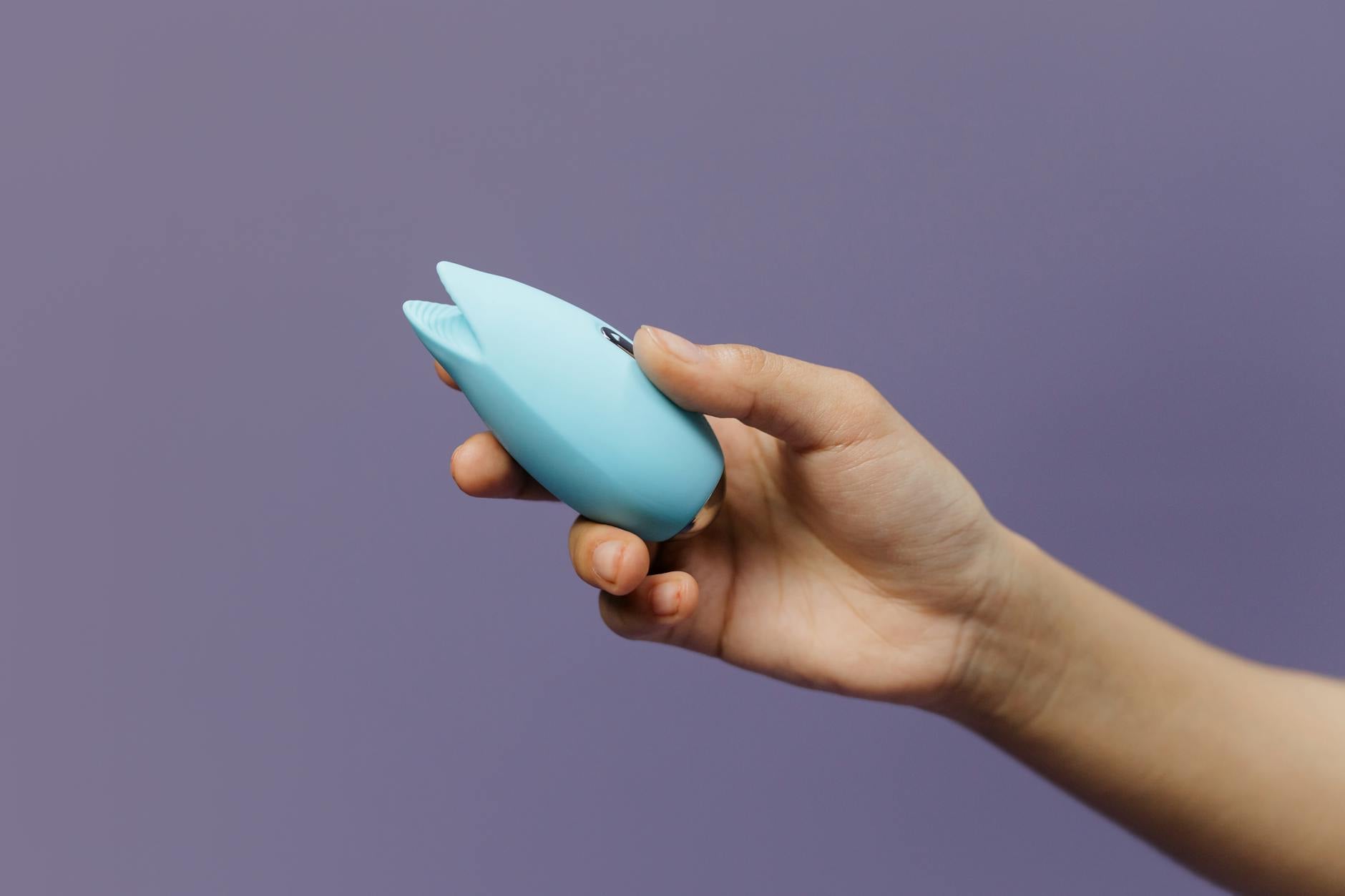
Lemon vibrators use suction and gentle pulsing instead of traditional vibration. The mechanism creates a vacuum effect around the clitoris rather than against it. Think of the difference between someone pressing their finger directly on your arm versus gently pulling the skin up. Same pressure technically, wildly different sensation.
This matters neurologically. Your clitoris has roughly 8,000 nerve endings, but they're not evenly distributed. The outer rim is actually more sensitive than the tip. Suction engages that broader nerve network instead of concentrating pressure on one small point. For people with sensitive tissue, that distributed stimulation often feels more comfortable and, paradoxically, more intense in the way that actually leads somewhere.
A lemon sucker doesn't numb you out because it's not battering the same nerve endings repeatedly. It's inviting a wider response from your whole clitoral system.
Why numbness happens with traditional vibrators
Repetitive high-frequency vibration can cause what's called "vibration-induced anesthesia." Your nerve endings literally adapt to the constant stimulus and stop firing at the same rate. It's the same reason your brain stops noticing the hum of a refrigerator after five minutes, except it's happening at a cellular level in your clitoris.
This is especially common if you've been using the same vibrator for years, or if you've graduated to higher settings because lower ones stopped working. Your tissue hasn't become less capable of pleasure. It's become acclimated to that specific signal.
Switching to a lemon vibrator is essentially a reset button. Your nerves have never experienced suction-based stimulation the same way, so they're not desensitized to it. Many people report that after a few weeks of lemon vibrator use, even returning to traditional vibrators feels more responsive because the system has been given a break.
The gradual intensity advantage
Most lemon vibrators have 5-7 distinct intensity levels. The lowest setting is genuinely low, not just a theoretical minimum that still feels intense. This matters because sensitive tissue often benefits from slow progression.
You can start with pattern 1 and stay there for weeks if that's what feels right. Your body isn't being forced to adapt to something jarring. You build arousal in your own timeline, and your nervous system can signal readiness for the next level without pressure or frustration.
With many traditional vibrators, even the lowest setting is still pretty aggressive. It's designed to get someone there quickly, which is brilliant for some situations but not ideal if you're working with tissue that needs gentleness or if you're rebuilding sensation after numbness.
The tissue thickness factor
Here's something most vibrator guides skip: tissue thickness changes. Hormonal cycles affect it, menopause affects it, certain medications affect it, and some people are just born with more delicate tissue in that area. Thinner tissue benefits from suction because there's less direct compression. You're not pressing down through layers. You're drawing tissue gently upward.
This is why people often report that a lemon vibrator feels better after menopause, during certain phases of their cycle, or after starting new medication. The suction adapts to tissue thickness automatically. A traditional vibrator's intensity stays the same regardless of what's happening physically.
When sensitivity might actually point to something else
If clitoral tissue is sensitive in a painful way, not just "needs gentleness" way, that can signal underlying tension or inflammation that needs attention. Pelvic floor physical therapy or a conversation with a gynecologist trained in pelvic pain is worth exploring.
But if sensitivity means oversensitivity to stimulus, difficulty reaching orgasm, or numbness creeping in, a lemon vibrator often helps because it's approaching the problem differently. You're not fighting your body's sensitivity. You're working with it.
Many people find that after using suction-based stimulation for a while, their body becomes less hypersensitive overall. The nervous system gets what it was asking for, and stops bracing so hard.
The psychological piece that matters
There's also something about not fighting against your own body that shifts things. If you've spent years using vibrators that feel too intense, there's often an underlying tension about pleasure itself. Something feels wrong. You're broken. Your body doesn't work right.
Using a lemon vibrator that actually feels good, that you don't have to white-knuckle through or numb your way past, can be weirdly powerful. Your brain gets the message that your body isn't malfunctioning. It just needed a different approach. That permission alone changes how sensation flows.
Moving between vibrator types
If you're thinking about trying a lemon vibrator but you're currently committed to a traditional one, here's what tends to work: don't switch entirely right away. Use the lemon vibrator exclusively for 2-3 weeks, then reintroduce the traditional one if you want. Most people find the lemon vibrator becomes their preference pretty quickly, but your nervous system benefits from that initial reset period without distraction.
Also worth knowing: lemon vibrators are quieter, which helps with the mental load of pleasure. You're not hyper-aware of sound. Your attention can actually stay with sensation instead of bouncing to anxiety about noise or exposure.
FAQ
Are lemon vibrators safe for sensitive skin?
Yes, provided you're using a medical-grade silicone device from a reputable brand like Get Lemon Vibrators. Silicone is body-safe, non-porous, and gentle on tissue. Always use water-based lubricant with silicone toys, and clean before and after use with warm water and mild soap or a toy cleaner.
Can I use a lemon vibrator if I've never had an orgasm?
Absolutely. Suction-based stimulation is often easier to reach orgasm with than traditional vibrators because it engages a broader nerve network and feels less jarring. Many people who've struggled to reach orgasm report success with a lemon vibrator. Take your time with it, use low settings, and give yourself permission to explore without pressure.
How long does it take to notice a difference in sensation?
Most people notice increased response within 3-5 uses. The numbness relief usually takes 2-3 weeks of consistent use because your nervous system is readapting. Be patient with the process. Pleasure isn't a race.
Will switching to a lemon vibrator make traditional vibrators stop working?
No. Your tissue won't become dependent on suction. If anything, giving your nervous system a break from high-frequency vibration often makes you more responsive to all types of stimulation. Think of it as cross-training for pleasure.
Can I use a lemon vibrator with a partner?
Yes. Many couples find that introducing a lemon vibrator together, or using it during partnered sex, deepens sensation and intimacy. It takes pressure off your partner to be your only source of stimulation, which often paradoxically increases closeness. Start with a conversation about what you're both hoping for.
What if a lemon vibrator still feels too intense?
You might be dealing with heightened pelvic floor tension or genuine pain sensitivity that deserves professional attention. Pelvic floor physical therapy can help significantly. You can also try using a lemon vibrator with more lubrication or at the very lowest settings. Some people also find that arousal level matters more than the toy itself. Spend longer on foreplay or mental preparation before using the vibrator.
Here's what actually matters
Sensitive clitoral tissue isn't a problem to fix. It's information about what your body responds to. Standard vibrators work brilliantly for many people. Lemon vibrators work better for others, especially for those dealing with numbness, overstimulation, or tissue that just needs a gentler approach. The best toy is the one that actually gets you there, with pleasure instead of pressure.
If you're curious about trying a lemon vibrator and you've had trouble with traditional toys, you're not broken. You just need something different. That's worth exploring. Your pleasure matters, and it deserves to feel good.